

SEBI Penalises Basant Maheshwari Wealth Advisers with ₹4 Lakh Fine
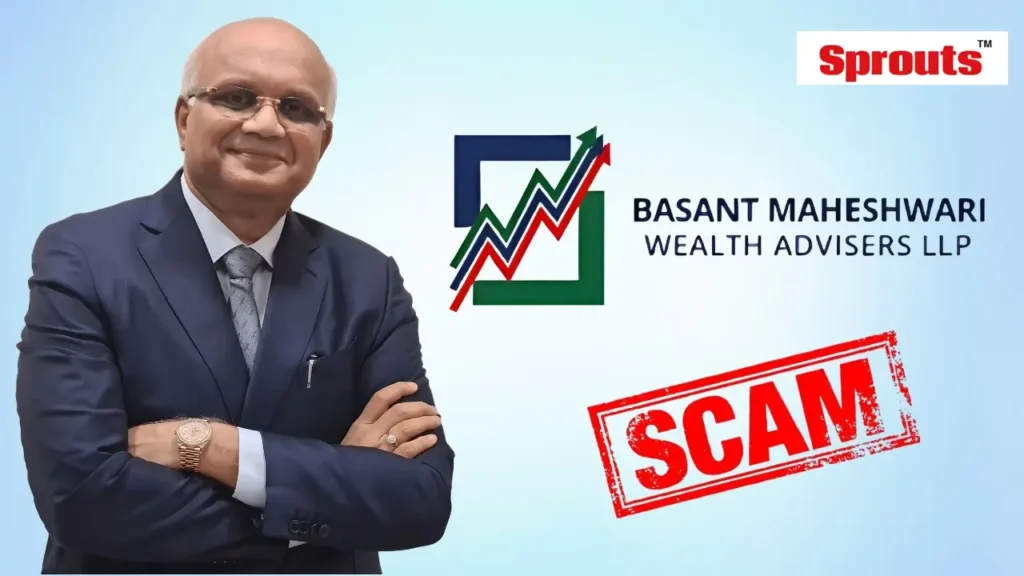
SEBI has imposed a ₹4 lakh penalty on Basant Maheshwari Wealth Advisers LLP for multiple regulatory breaches. The firm was found charging prohibited dual fees to 32 clients, running misleading YouTube advertisements, and delaying submission of its mandatory annual audit report. The violations were uncovered during a joint inspection by SEBI and BASL. The order reinforces SEBI’s tightening oversight of registered investment advisers and investor protection norms.
- SEBI Penalises Basant Maheshwari Wealth Advisers with ₹4 Lakh Fine
- Core Violations: Dual Fees and Audit Lapses
- Misleading Ads and YouTube Compliance Failures
- Regulatory Scrutiny and Broader Implications
- Understanding the Prohibited Fee Structure
- The Mandatory Annual Audit Requirement
- Key Takeaways for Investors and Advisers
- The Path Forward for Regulatory Compliance
Market regulator SEBI has fined Basant Maheshwari Wealth Advisers LLP (BMWAL) ₹4 lakh for multiple regulatory violations. The penalty follows a joint inspection by SEBI and BSE Administration and Supervision Ltd (BASL) late last year. Key failures include prohibited fee structures and misleading investor advertisements, highlighting strict regulatory enforcement.
Core Violations: Dual Fees and Audit Lapses
BMWAL’s most significant breach involved charging 32 clients under a prohibited dual-fee structure. The firm levied both fixed and assets-under-advice (AUA) fees simultaneously. SEBI’s regulations mandate that advisers choose one fee mode per client, not both. This clear violation formed a central part of the regulator’s adjudication order issued by Amar Navlani.
The firm defended its practice by claiming clients selected modes for different services. SEBI rejected this argument as inconsistent with its rules. Separately, BMWAL failed to submit its mandatory annual audit report on time. The report for FY22-23 was submitted in May 2024, far beyond the September 2023 deadline, constituting a separate violation.
Misleading Ads and YouTube Compliance Failures
Inspection revealed BMWAL breached SEBI’s strict advertisement code through YouTube videos. Content featured exaggerated titles like ‘100x Portfolio – 3 Saal Mei?’ and ‘Kaise Banaya Rs50 Lakh se Rs10 crore?’. These were deemed misleading and promotional, targeting potential investors without proper safeguards mandated for registered investment advisers.
Crucially, required disclaimers were not displayed prominently within the videos. Links to disclaimers were buried in PDF descriptions, and videos contained promotional links to the firm’s Smallcase website. SEBI dismissed the firm’s claim that videos were purely educational, confirming they violated master circular guidelines on advertisements.
Regulatory Scrutiny and Broader Implications
SEBI’s order underscores its duty to enforce securities law compliance. Adjudicating Officer Amar Navlani stated the firm’s failures “need to be dealt with a suitable penalty.” This penalty reinforces that registration carries non-negotiable compliance obligations. The inspection period scrutinised practices from October to December 2023 thoroughly.
The ruling signals to India’s vast wealth management industry that SEBI is actively monitoring advisory conduct. Violations of fee rules and advertisement standards are treated with high seriousness. This action aims to protect retail investors from misleading practices and ensure a transparent advisory landscape.
Understanding the Prohibited Fee Structure
SEBI’s Investment Adviser Regulations prohibit dual-fee models to prevent conflicts of interest. Advisers must charge either a fixed fee or an AUA-based percentage, not both for the same client. This rule ensures fee transparency and aligns adviser incentives with client portfolio growth, eliminating potential for double-charging.
BMWAL’s practice for 32 clients directly contravened Regulation 15A. The firm also could not provide AUA details for 62 other clients, claiming services were cancelled or investments never made. While SEBI gave benefit of doubt on those, the dual-fee violation was firmly upheld, forming a core part of the penalty rationale.
Also Read: Mumbai Mithi River Scam: EOW Arrests Two More Contractors.
The Mandatory Annual Audit Requirement
Regulation 19(3) of SEBI IA Regulations requires registered investment advisers to conduct an annual audit. This audit verifies compliance with all regulations, including client onboarding, fee charging, and conflict management. The audit report must be submitted to SEBI by September 30 each year for the preceding financial year.
BMWAL argued it completed an audit under Portfolio Management Service rules. However, the submitted report was dated May 2024, missing the deadline for the FY22-23 period by over seven months. This failure demonstrated a lapse in regulatory adherence and procedural diligence expected from a SEBI-registered entity.
Key Takeaways for Investors and Advisers
For investors, this case highlights the importance of understanding your adviser’s fee model. Always request clear fee agreements and ensure they match SEBI’s single-mode mandate. Be wary of promotional content from registered entities that promise exaggerated returns or lack clear risk disclaimers prominently displayed.
For the advisory industry, this penalty is a stark reminder. Compliance with SEBI’s advertisement code and audit schedules is mandatory, not optional. The Sprouts News Special Investigation Team notes that regulatory scrutiny on digital content and fee transparency is intensifying. Firms must regularly review internal practices against evolving guidelines.
The Path Forward for Regulatory Compliance
BMWAL must pay the ₹4 lakh penalty within 45 days of SEBI’s March 25, 2025, order. The firm is expected to rectify identified violations immediately. This includes ceasing dual-fee charges, ensuring advertisement compliance, and submitting future audit reports punctually. Proactive compliance is now essential for all market intermediaries.
SEBI’s action reinforces a zero-tolerance approach towards misleading investors and fee irregularities. The regulator continues to strengthen oversight through inspections and penalties. This ensures the integrity of India’s financial advisory ecosystem and protects the interests of millions of retail investors seeking trustworthy guidance.