
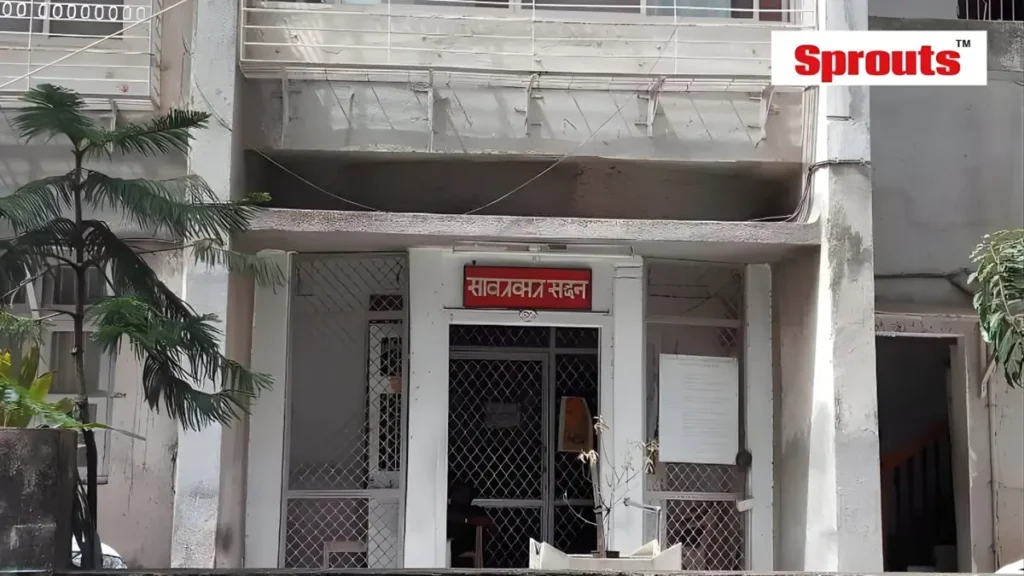
Exclusive: National Campaign Demands “Savarkar Sadan” in Mumbai Be Declared a National Monument
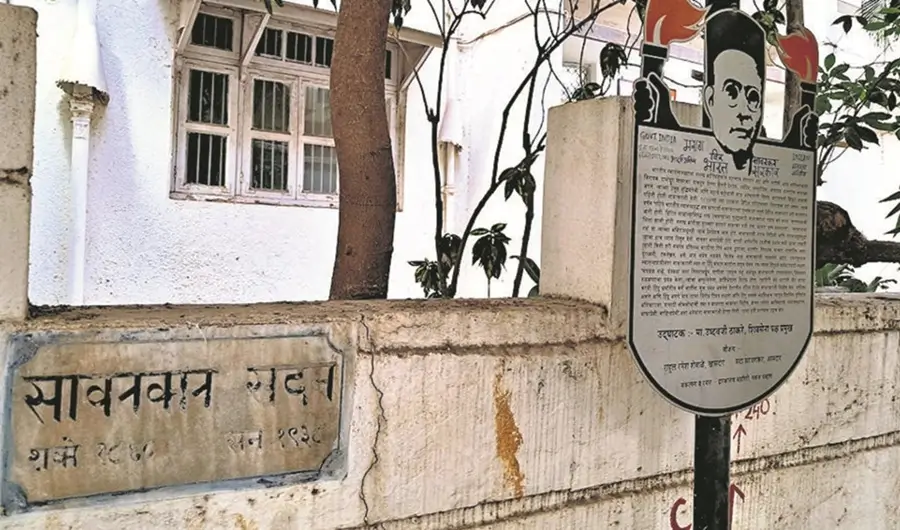
A national campaign is gaining momentum to declare Savarkar Sadan in Mumbai a protected National Monument. Senior journalist Unmesh Gujarathi has formally urged the Union Culture Ministry to preserve the residence where Vinayak Damodar Savarkar lived and worked for nearly four decades. Advocates argue the site holds immense historical value, having witnessed crucial phases of India’s freedom struggle and Savarkar’s intellectual and nationalist contributions.
- Exclusive: National Campaign Demands “Savarkar Sadan” in Mumbai Be Declared a National Monument
- The Historical Weight of Savarkar Sadan
- A Nerve Centre of Freedom Struggle Activity
- Where National Leaders Converged
- The Urgent Case for Monument Status
- Beyond Brick and Mortar: A Legacy Encapsulated
- The Practical Path to Preservation
- National Precedents and Cultural Policy
- Public Sentiment and Institutional Responsibility
- The Final Call to Action
A formal appeal has reached the Union Culture Ministry to declare Savarkar Sadan a protected national monument. This Mumbai residence was home to Swatantryaveer Vinayak Damodar Savarkar for nearly four decades. The move aims to preserve a pivotal site in India’s independence struggle from neglect and loss.
The Historical Weight of Savarkar Sadan
Swatantryaveer Savarkar was imprisoned by the British in 1911. He endured eleven years of cellular confinement in the Andaman Islands. After release, he was interned in Ratnagiri for thirteen more years. Upon final freedom, he moved to Mumbai in 1937. He built and lived in this Dadar home from June 1938 until his death in 1966. The house witnessed thirty-eight years of his life and work.
A Nerve Centre of Freedom Struggle Activity
This residence was far more than a personal dwelling. It served as the operational hub for the Hindu Mahasabha’s political activities. Savarkar directed key agitations from here against the Nizam of Hyderabad. The house also planned opposition to British rule in Bhagalpur. Participants in these movements were honoured as freedom soldiers here. The struggle against partition was also orchestrated within these walls.
Where National Leaders Converged
The Sadan hosted seminal meetings between titans of Indian history. Netaji Subhash Chandra Bose visited to discuss national strategy. Dr. Babasaheb Ambedkar met Savarkar here for talks on national unity. Cultural icons like V. Shantaram and Sudhir Phadke paid respectful visits. Literary greats including Ga. Di. Madgulkar and Raja Badhe were also guests. The Mangeshkar family and journalists like Acharya Atre frequented the site.
The Urgent Case for Monument Status
Advocates argue the building is a unique, irreplaceable historical witness. Without state protection, its structural and heritage integrity is at risk. The current letter to Minister Shekhawat emphasises this danger. It states failure to act would deprive future generations of heritage. The building is a tangible link to revolutionary-era politics and social reform.
Beyond Brick and Mortar: A Legacy Encapsulated
Savarkar was not just a revolutionary but a social reformer and writer. His work against caste discrimination originated from this base. The house contains memories of his literary and poetic output. Preserving it would safeguard the multi-faceted legacy of a complex figure. It represents his evolution from prisoner to political thinker.
Also Read: Convicted ‘Forever Chemical’ Plant Restarts in Konkan.
The Practical Path to Preservation
The proposal includes rehabilitating current occupants or descendants respectfully. It involves acquiring the property for the nation with due process. The vision is to establish a modern museum and memorial gallery inside. Displays would feature portraits, memorabilia, and interactive exhibits. This would make Savarkar’s ideology accessible to a new generation.
National Precedents and Cultural Policy
India has several homes of freedom fighters turned into memorials. This sets a clear precedent for the Savarkar Sadan proposal. The Ministry of Culture oversees such declarations under relevant acts. The decision would align with policies to protect modern historical sites. It underscores the government’s role in curating post-independence narrative.
Public Sentiment and Institutional Responsibility
The appeal taps into growing public interest in unsung historical locations. It positions the government as the custodian of diverse nationalist legacies. Recognising the site could be seen as acknowledging a broader revolutionary spectrum. The move would satisfy demands from historians and cultural activists. It fulfills a institutional duty to preserve contested history.
The Final Call to Action
The letter to Minister Shekhawat is a formal culmination of this campaign. It humbly requests the central and state governments to intervene. The goal is to entrust this heritage to the nation’s permanent care. The Sprouts News investigation finds strong historical grounds for the demand. The nation now awaits an official response to this public plea.