



Supreme Court’s 100-Metre Aravalli Rule Sparks Outcry; Its Own Expert Panel Had Opposed Definition
A major controversy has erupted after the Supreme Court of India accepted a 100-metre height rule to define the Aravalli Hills, despite opposition from its own expert body. The Central Empowered Committee had warned the rule would fragment ecological continuity and leave large areas vulnerable to mining. Experts argue the decision undermines scientific safeguards recommended by the Forest Survey of India.
- Supreme Court’s 100-Metre Aravalli Rule Sparks Outcry; Its Own Expert Panel Had Opposed Definition
- Exclusive investigation reveals deep rift between the apex court’s verdict and its environmental committee’s warnings, risking fragile ecology.
- CEC’s Urgent Warning: 100-Metre Rule Threatens Ecological Continuity
- The Supreme Court Verdict: Unpacking the November 2025 Judgment
- Exclusive Interview: Former CJI Gavai Addresses Public “Misconception”
- The Precautionary Principle: A Core Environmental Law Debate
- The Road Ahead: MPSM Report and Potential Judicial Review
- Sprouts News Analysis: The Implications for Aravalli Conservation
Exclusive investigation reveals deep rift between the apex court’s verdict and its environmental committee’s warnings, risking fragile ecology.
A major controversy surrounds the Supreme Court’s new Aravalli definition. Its own Central Empowered Committee (CEC) strongly opposed the 100-metre rule. The Sprouts News Special Investigation Team examines this critical clash. The decision could reshape the future of India’s ancient hill range.
CEC’s Urgent Warning: 100-Metre Rule Threatens Ecological Continuity
The Forest Survey of India (FSI) proposed a more protective, slope-based definition. It uses a scientific three-degree criterion to identify Aravalli hills. This includes lower elevations vital for the range’s ecological integrity. The CEC endorsed this FSI definition in an urgent October 14 letter.
The Committee’s letter was a direct response to a government proposal. The MoEF&CC had suggested the 100-metre height yardstick just one day prior. The CEC clarified it never examined or approved this new definition. Its warning aimed to ensure full protection for the entire Aravalli range.
The Supreme Court Verdict: Unpacking the November 2025 Judgment
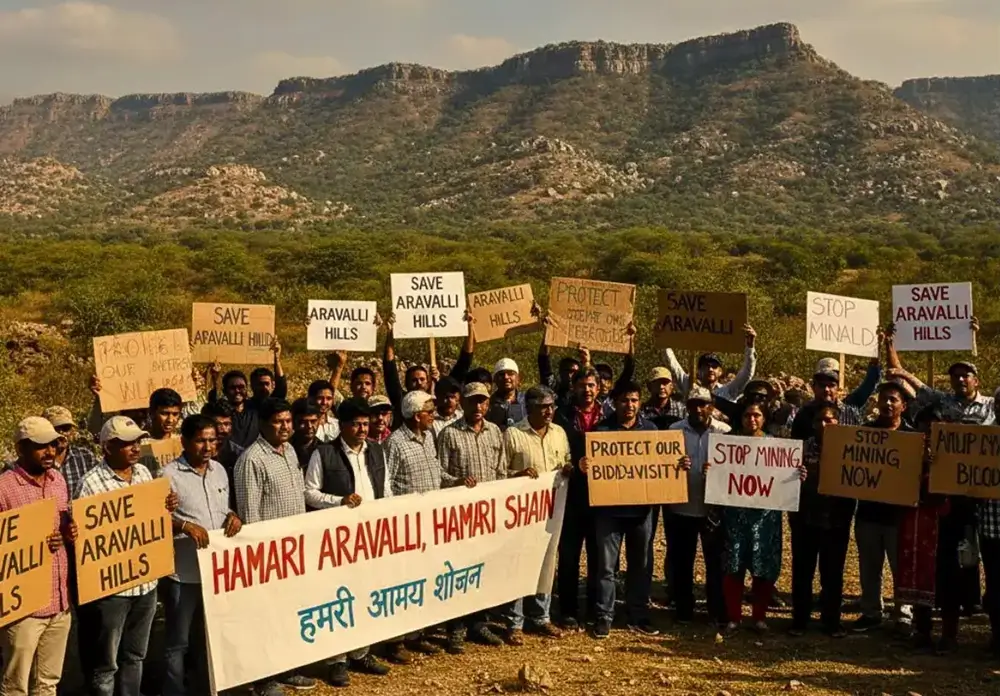
A three-judge bench led by then-CJI B.R. Gavai delivered the ruling. It aimed to standardise the definition across four different states. The court stated a complete mining ban across the Aravallis was unsustainable. It accepted the government’s 100-metre parameter for defining the hills.
This judgment has triggered significant public and expert concern. Environmentalists fear it excludes vital, lower-elevation forest areas. Critics argue it opens excluded zones to potential mining and real estate pressure. The verdict was delivered just days before Justice Gavai’s retirement.
Exclusive Interview: Former CJI Gavai Addresses Public “Misconception”
In a rare televised interview, Justice Gavai defended the court’s ruling. He explained the need for a uniform definition across state boundaries. The bench had monitored this complex issue for over three years, he stated. The judgment was part of a “continuing mandamus” process, not a final closure.
Justice Gavai emphasised the court’s role in balancing submissions. It considered arguments from the amicus curiae and the government equally. The verdict included stringent conditions against unrestricted mining, he asserted. Future benches retain the power to review and correct the ruling if needed.
Also Read: Why Savarkar Sadan Is Being Pitched as a National Monument.
The Precautionary Principle: A Core Environmental Law Debate
Interviewers questioned why the “precautionary principle” was not applied. This legal doctrine mandates preventive action against irreversible environmental harm. The amicus curiae’s submission highlighted the risk of losing hill continuity. Lower hills below 100 metres would be excluded from protection.
Justice Gavai responded that the court’s operative part provides safeguards. It mandates that no new mining licenses be granted until a final plan is approved. The court directed the creation of a Mineral Policy and Strategy Manual (MPSM). This report will guide future, regulated mining activities.
The Road Ahead: MPSM Report and Potential Judicial Review
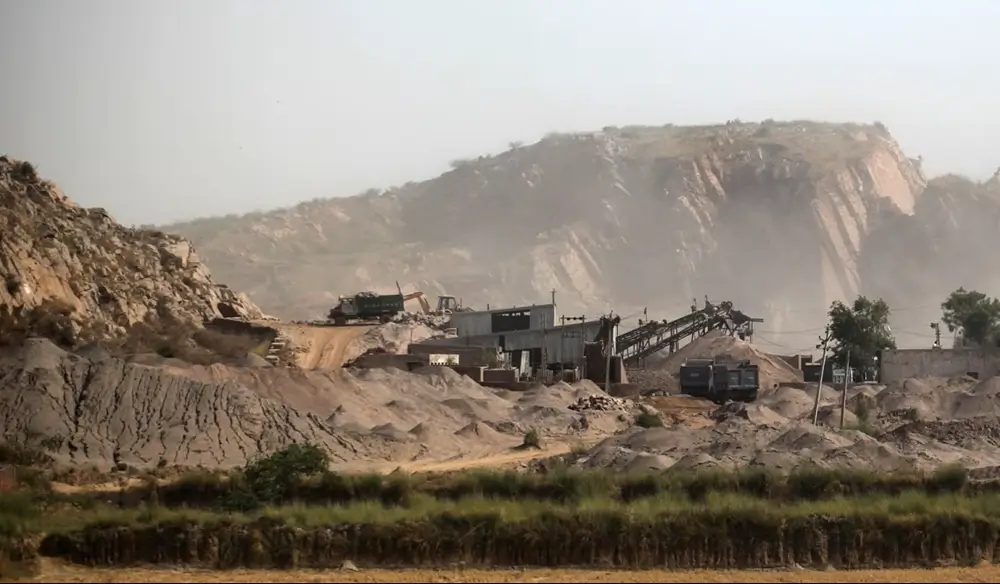
The Supreme Court has kept the procedural door open for future intervention. The mandated MPSM report must return to the apex court for final approval. This allows the court to designate specific prohibited and permitted zones. The process falls under the umbrella of continuing mandamus proceedings.
Legal experts note the unusual step of a retired judge explaining a verdict. It underscores the significant public and environmental stakes involved. The controversy highlights the tension between development and conservation. The integrity of a two-billion-year-old geological formation now hangs in the balance.
Sprouts News Analysis: The Implications for Aravalli Conservation
The 100-metre rule could fragment the Aravalli ecosystem legally and physically. Excluding lower hills disrupts wildlife corridors and water recharge zones. State governments must now apply this uniform definition in their regional plans. The long-term impact on groundwater and air quality in NCR remains a serious concern.
Environmental lawyers are exploring avenues for a curative petition or review. The stark contradiction between the CEC’s advice and the final order is pivotal. This case may set a critical precedent for how courts define natural heritage. The nation watches as the fate of its oldest mountain range is debated.