
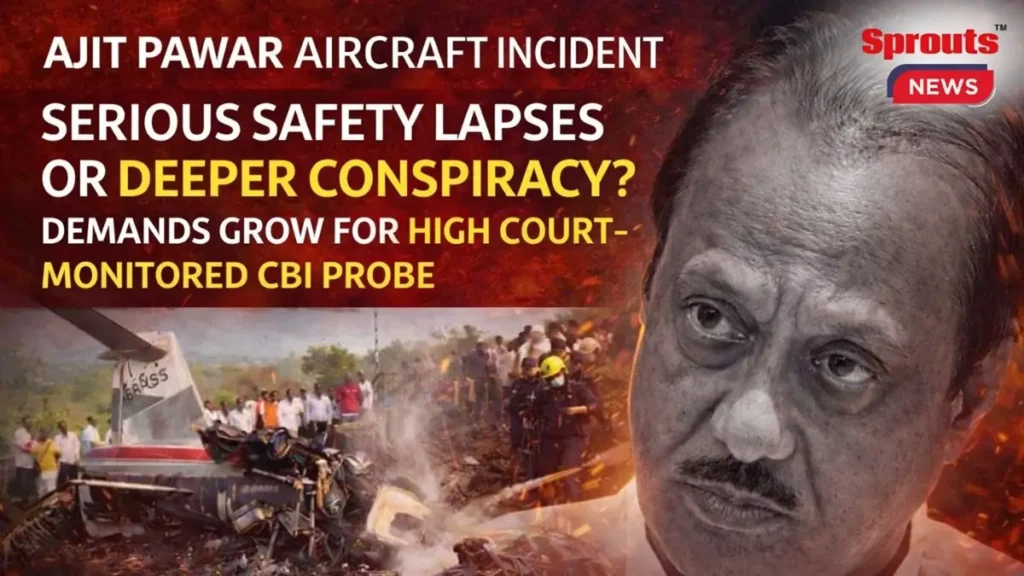
The plane crash involving Maharashtra Deputy Chief Minister Ajit Pawar including five other persons were killed after an aircraft carrying them crashed near Baramati in Pune district on Wednesday morning has raised serious concerns over VVIP flight safety and aircraft maintenance. While officials termed it a routine technical issue, activists and aviation experts say key questions remain unanswered. They are demanding a High Court–monitored CBI probe to examine airworthiness checks, DGCA compliance, and possible negligence, warning that any lapse in VVIP aviation safety puts lives at risk.
Contents
- Ajit Pawar Aircraft Crash Incident: Serious Safety Lapses or Deeper Conspiracy? Demands Grow for High Court–Monitored CBI Probe
- Unanswered Questions Over Aircraft Airworthiness
- Legal and Constitutional Dimensions
- Role of Human Rights Commission
- Political Context and Conspiracy Angle
- Demand for CBI Investigation
- Silence From Authorities Raises More Doubts
- Demand for Independent CBI Probe
Ajit Pawar Aircraft Crash Incident: Serious Safety Lapses or Deeper Conspiracy? Demands Grow for High Court–Monitored CBI Probe
Questions surround the aircraft incident involving Maharashtra DCM Ajit Pawar, with activists and experts demanding a High Court–monitored CBI probe to examine possible technical lapses, aviation rule violations, negligence, or political conspiracy, amid concerns over VVIP flight safety and accountability.
The plane crash involving Maharashtra Deputy Chief Minister Ajit Pawar has triggered serious concerns over aviation safety, accountability in VVIP travel, and the integrity of aircraft maintenance protocols, prompting growing demands for an independent, court-monitored investigation.
While official statements have downplayed the episode as a routine technical issue, civil rights activists, aviation experts, and legal observers argue that the matter cannot be treated lightly, given the potential threat to human life and constitutional responsibility of the state.
Unanswered Questions Over Aircraft Airworthiness
Central to the controversy is whether the aircraft used for the Deputy Chief Minister’s travel was certified as airworthy under the Directorate General of Civil Aviation (DGCA) norms. Under India’s Civil Aviation Requirements (CARs), all aircraft—especially those used for VVIP movement—must undergo stringent pre-flight checks, periodic maintenance audits, and detailed defect reporting.
Experts point out that any failure in preventive maintenance, delayed rectification of known defects, or pressure to clear flights despite technical red flags constitutes gross negligence and a direct violation of aviation safety laws.
As of now, authorities have not disclosed:
•The aircraft’s maintenance history
•Any past defect logs
•The name of the operator and maintenance agency
•Whether DGCA was formally notified
Legal and Constitutional Dimensions
Legal experts stress that if the aircraft was knowingly operated despite technical deficiencies, the issue may attract provisions under:
•Section 304A IPC (causing death by negligence)—if risk to life is established
•Aircraft Act, 1934 and DGCA safety regulations
•Article 21 of the Constitution, which guarantees the right to life and safety
Given the seriousness, calls are growing for the matter to be examined by a sitting High Court judge to ensure institutional independence and prevent political influence.
Role of Human Rights Commission
Human rights activists have urged the National Human Rights Commission (NHRC) to take suo motu cognisance, arguing that state negligence or systemic failure in protecting life—even of a constitutional authority—raises broader public safety concerns affecting ordinary citizens as well.
They contend that if safety norms can be compromised in VVIP travel, the risks faced by common passengers are likely far greater.
Political Context and Conspiracy Angle
The incident has also acquired political overtones. Given Ajit Pawar’s central role in Maharashtra’s volatile political landscape, some observers have demanded that investigators should not rule out any angle, including sabotage or deliberate lapses, until a thorough forensic and technical audit is completed.
While no evidence of political conspiracy has been officially established, legal analysts caution that premature conclusions without an independent probe could undermine public trust.
Demand for CBI Investigation
In light of the multiple dimensions involved—technical, administrative, legal, and political—there is increasing demand for a CBI investigation under judicial supervision to:
•Examine maintenance records and DGCA clearances
•Fix responsibility on officials or private operators, if any
•Rule out negligence, coercion, or external interference
Silence From Authorities Raises More Doubts
Notably, neither the state government nor the civil aviation authorities have announced a comprehensive independent inquiry so far. This silence has only deepened public suspicion and intensified calls for transparency.
The incident has once again exposed critical gaps in India’s aviation oversight framework and raised uncomfortable questions about accountability in high-profile travel arrangements.
Until a credible, independent investigation is ordered, the doubts surrounding the Ajit Pawar aircraft incident are unlikely to fade.
Demand for Independent CBI Probe
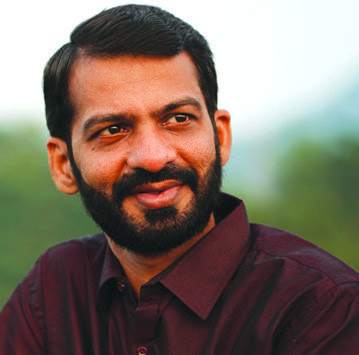
Unmesh Gujarathi, investigative journalist and Editor-in-Chief of Sprouts News Media House, has demanded a CBI investigation into the Ajit Pawar aircraft incident, citing serious aviation safety concerns, possible regulatory lapses, and the need to rule out negligence or political conspiracy through an independent, court-monitored probe.