

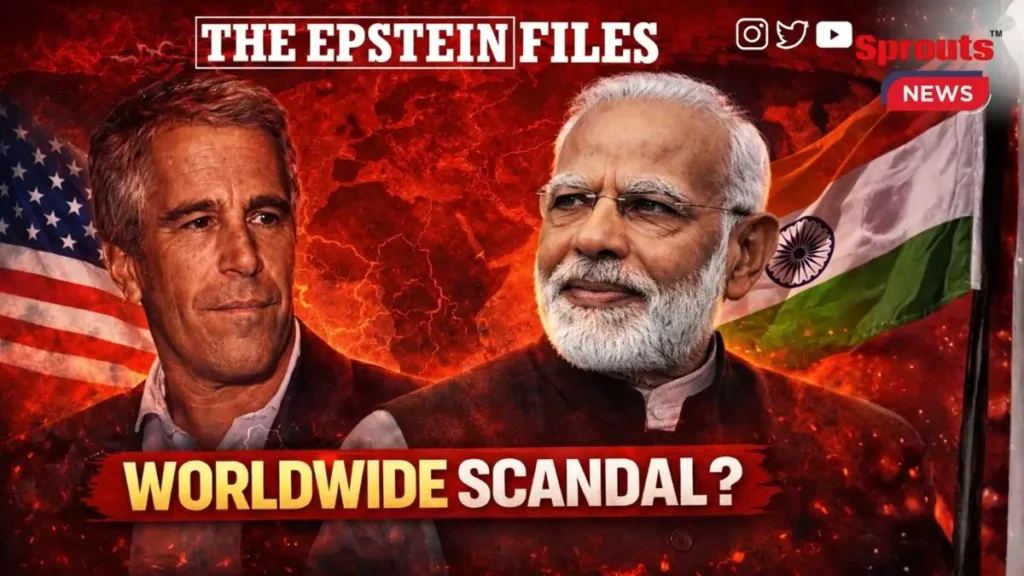
The release of new Epstein files by US authorities has renewed global attention on Jeffrey Epstein’s claims about political and financial links. References involving India, Somaliland and a Rothschild agreement have sparked debate, though Indian officials have firmly denied any connection. Experts note Epstein’s history of exaggerating access to power, warning that unverified claims in legal documents can still influence public and political narratives worldwide.
Epstein Files Trigger Global Scrutiny Linking India, Somaliland and Rothschild Financial Dealings
New Epstein files link speculative claims involving Prime Minister Narendra Modi, a $25 million Rothschild financial agreement, and investment discussions in Somaliland, prompting official denials from India, renewed scrutiny of Epstein’s global networks, and fresh debate on political, financial, and geopolitical accountability.
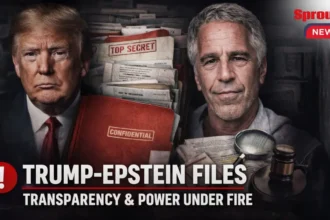
Epstein files released by the United States Department of Justice have reignited international scrutiny, after references to Indian Prime Minister Narendra Modi, Somaliland investments and a Rothschild agreement surfaced together within newly unsealed documents.
The disclosures form part of a broader release connected to convicted sex offender Jeffrey Epstein, whose financial networks, political name dropping and speculative business dealings continue to raise questions across governments and institutions.
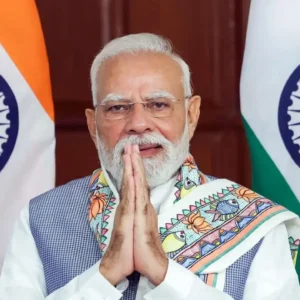
At the centre of the controversy is an email attributed to Epstein referencing Prime Minister Narendra Modi’s official 2017 visit to Israel, a historically significant diplomatic engagement between India and Israel.
The message, cited by the Jerusalem Post, claims Epstein influenced the visit, a suggestion firmly rejected by India’s Ministry of External Affairs as factually false and deliberately misleading.
MEA spokesperson Randhir Jaiswal stated that the only verified fact was the official visit itself, dismissing the email’s narrative as baseless commentary from a convicted criminal.
Indian officials emphasised that no advisory, personal, or professional relationship ever existed between Epstein and Prime Minister Modi at any point before or after the Israel visit.
Despite the categorical denial, opposition leaders have demanded further clarification, highlighting how unverified claims in foreign legal disclosures can quickly gain political traction domestically.
Analysts note that Epstein frequently exaggerated proximity to power figures globally, a pattern documented in earlier investigations into his social and financial networks.
Rothschild Agreement Raises Fresh Questions on Epstein Financial Networks
Beyond political references, the Epstein files reveal a significant financial document dated October 5, 2015, involving Southern Trust Company Inc and Edmond de Rothschild Holding S.A.
The agreement outlines a proposed $25 million payment from the Rothschild Group to Southern Trust Company, a Virgin Islands registered entity controlled by Epstein.
The contract specified collaboration on risk analysis and algorithm related applications, described collectively as “Specified Matters” within the formal Letter of Agreement.
Ariane de Rothschild is identified in the document as representing Edmond de Rothschild Holding S.A, adding weight to questions surrounding due diligence standards applied during that period.
There is no evidence suggesting the agreement progressed beyond documentation, yet its existence illustrates Epstein’s continued access to elite financial circles even after earlier criminal convictions.
Financial governance experts say such arrangements underscore the need for stronger compliance frameworks, especially when counterparties operate through offshore entities with opaque ownership structures.
The resurfacing of the Rothschild agreement has renewed debate on how financial institutions assess reputational risk, particularly when dealing with politically exposed intermediaries.
Also Read: How NCLT Insolvency Is Changing Mumbai Real Estate.
Somaliland Investments Reveal Geopolitical and Commercial Ambitions
The files also shed light on Epstein’s interest in Somaliland, the self declared autonomous territory functioning independently since 1991 without widespread international recognition.
Emails exchanged between 2012 and 2018 discuss potential investments in water exports, diaspora linked financial services, and a proposed film industry hub branded as Somaliwood Studios.
One 2012 email describes untapped clean water reserves near Berbera port, citing direct shipping access to Saudi Arabia and minimal transport costs as key commercial advantages.
Another document shows Epstein receiving briefing material on Somaliland’s international recognition prospects from a senior executive associated with global port operator DP World.
These communications suggest Epstein positioned himself as a facilitator connecting speculative frontier markets with global capital, despite lacking formal authority or institutional backing.
Somaliland’s geopolitical relevance has grown recently after Israel formally recognised the territory in late 2025, a move criticised by several regional and international actors.
Experts argue that Epstein’s Somaliland interest highlights how unregulated intermediaries often exploit politically ambiguous regions for speculative investment narratives.
Epstein died in a New York jail in August 2019 while awaiting trial on federal sex trafficking charges, officially ruled a suicide under disputed circumstances.
Previously, he served jail time in Florida after pleading guilty to soliciting prostitution from a minor, following evidence of repeated abuse of underage girls.
According to the Sprouts News Special Investigation Team, the latest Epstein files reinforce the dangers of unchecked influence, name association, and financial opacity within global power structures.
As governments assess the fallout, the documents underline why transparency, institutional accountability, and responsible media interpretation remain essential in an era of viral disclosures and political misinformation.