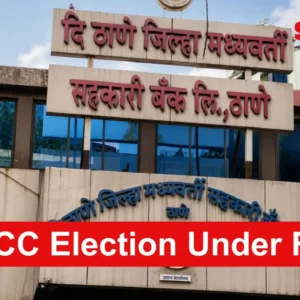


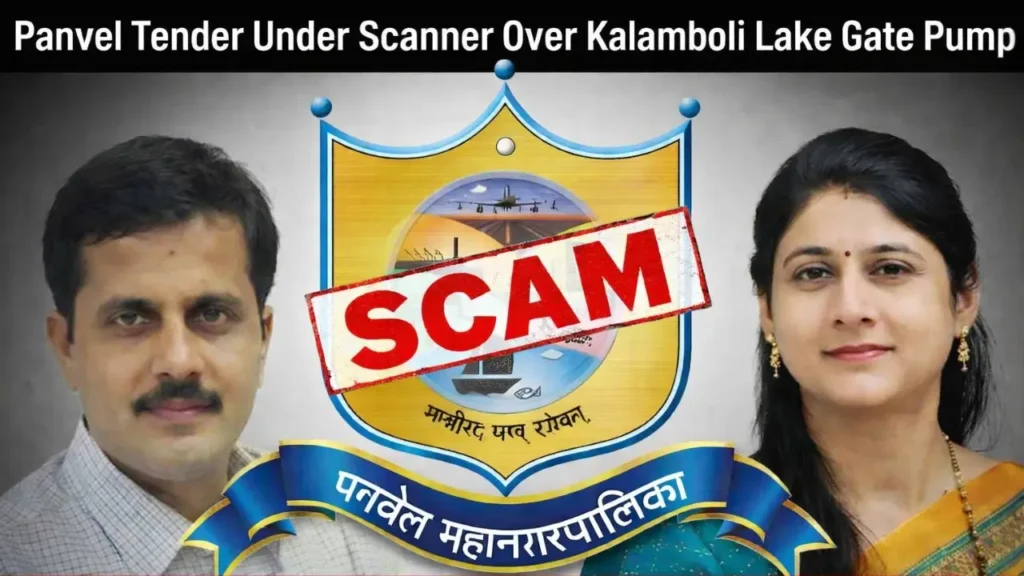
A Panvel Municipal Corporation tender for installing a gate pump system at Kalamboli Lake has come under scrutiny over alleged cartelisation and procedural lapses. The project is critical for flood control and monsoon safety in Navi Mumbai’s fast growing areas. Concerns have grown as the tender reportedly moved ahead despite objections and ongoing proceedings before the Bombay High Court. Industry experts have raised questions about transparency and equal competition.
Panvel Municipal Corporation Tender Under Scanner Over Kalamboli Lake Gate Pump Project
Serious allegations have emerged around the Panvel Municipal Corporation gate pump tender, placing civic procurement under scrutiny amid claims of cartelisation, procedural manipulation, and deliberate violation of vigilance and procurement norms.
Documents reviewed indicate that the tender relates to installing a gate pump system at Kalamboli Lake, a flood sensitive water body critical to urban safety, drainage control, and monsoon disaster management.
Concerns have intensified because the tender process allegedly progressed despite unresolved legal and technical objections, raising questions about governance discipline, transparency, and accountability within urban infrastructure decision making.
The controversy has wider implications as Panvel rapidly urbanises, with infrastructure contracts increasingly influencing public safety outcomes, municipal finances, and long term environmental resilience across Navi Mumbai’s expanding metropolitan region.
Tender Pushed Despite Bombay High Court Proceedings and Stakeholder Objections
At the heart of the controversy lies the fact that issues related to the tender remain under consideration before the Bombay High Court, making the matter legally sub judice.
Despite ongoing judicial proceedings, municipal officials reportedly accelerated the approval process, prompting concerns that court oversight and due process safeguards were effectively sidelined during a sensitive procurement phase.
Industry stakeholders, including technically experienced firms, are understood to have submitted representations flagging serious deficiencies, yet these inputs allegedly failed to slow or pause the tender’s progression.
Legal experts say pushing procurement decisions during active court consideration risks undermining institutional credibility and exposes public bodies to avoidable litigation, reputational damage, and potential project invalidation.
The haste becomes more significant amid reports of imminent administrative reshuffles following political appointments, a period traditionally considered high risk for rushed clearances and governance shortcuts.
Another major concern centres on the mandatory requirement for bidders to submit a manufacturer memorandum of understanding, which critics describe as selectively enforced rather than uniformly applied.
Several capable manufacturers allegedly declined or were denied MoU access without transparent justification, effectively excluding them from competition despite possessing relevant technical expertise and operational capacity.
This selective enforcement reportedly advantaged a single contractor, triggering allegations that the tender condition functioned as a gatekeeping mechanism rather than a neutral eligibility safeguard.
Procurement specialists warn that such practices can distort fair competition, inflate costs, and erode the foundational principle of equal opportunity embedded in public tender frameworks.
Technical Design Choices and CVC Norms Raise Red Flags
Technical scrutiny of the tender specifications reveals a preference for a foreign manufactured small capacity gate pump system, despite the availability of proven large scale systems operating successfully across India.
Experts question why lifecycle cost, maintenance feasibility, Indian operating conditions, and long term reliability considerations appear secondary in a project linked directly to flood control and public safety.
Equally troubling are allegations that the tender violates multiple directives issued by the Central Vigilance Commission, particularly rules discouraging brand specific or vendor restrictive specifications.
CVC guidelines emphasise performance based criteria and open competition, allowing brand references only under exceptional circumstances supported by written justification, which critics say is absent here.
When vendor specific design choices combine with restrictive MoU conditions, analysts note that cartel like outcomes become structurally embedded, limiting price discovery and weakening fiscal prudence.
Former distributors and observers also highlight how credible objections were allegedly ignored, reinforcing perceptions that technical evaluations served predetermined outcomes rather than independent assessment.
Such patterns raise systemic concerns about whether procurement processes are being shaped to suit preferred vendors instead of public interest, operational resilience, and taxpayer value.
Beyond financial implications, governance experts warn that compromised infrastructure decisions can amplify disaster risks, especially in flood prone urban ecosystems like Kalamboli Lake.
Also Read: Pimpri Chinchwad TDR Controversy sparks questions.
Why the Panvel Tender Controversy Matters Beyond One Project?
This case matters because it illustrates how procedural shortcuts in municipal procurement can weaken public trust and set dangerous precedents for future urban infrastructure projects.
Unchecked, such practices risk normalising opaque decision making across urban local bodies, undermining safeguards designed to prevent abuse of authority and misallocation of public resources.
For fast growing cities like Panvel, infrastructure governance failures can translate directly into safety hazards, service disruptions, and escalating long term costs borne by citizens.
Sprouts News Special Investigation Team notes that allegations cited are based on documents, representations, and publicly available records, while authorities retain the opportunity to clarify or respond.
Policy experts stress that timely corrective action, including independent review and strict adherence to vigilance norms, is essential to restore confidence in municipal procurement systems.
As India expands its urban infrastructure footprint, cases like this underscore the urgent need for stronger enforcement, transparent tender design, and accountability mechanisms at the city governance level.
Corporator Leena Garad has claimed that pressure is being exerted on the municipal administration to include tender terms and conditions that favour select contractors. According to her, these conditions violate the Government of India’s Central Vigilance Commission (CVC) guidelines, thereby preventing other eligible and reputed companies at the state, national, and international levels from participating in the bidding process.
Garad alleged that such practices lead to large-scale corruption, compromise the quality of work, and result in artificial inflation of quantities. She further stated that this is not the first instance of such irregularities. Earlier, while awarding the contract to Ronak Advertising Company in the Panvel Municipal Corporation area, similar violations of CVC guidelines were reported.
She also pointed out that in the case of Kalamboli Lake and several other projects, tender conditions were allegedly manipulated to ensure that contracts were awarded to specific contractors. “For this, ruling members and contractors join hands with the administration to loot public money,” Garad alleged.
The corporator warned that she would raise this issue strongly in the upcoming general body meeting. “In the coming time, we will definitely raise our voice against this in the general body,” she said, demanding transparency and strict adherence to CVC norms in all municipal tenders.
Panvel Municipal Corporation Commissioner Mangesh Chitale did not respond to queries regarding the allegations.
Investigative journalist and Director of SproutsNews.com, Unmesh Gujarathi, has exposed several alleged scams and frauds through his reporting. Citizens who have information about any wrongdoing, corruption, or matters of public interest can contact the SproutsNews team at 9322755098.