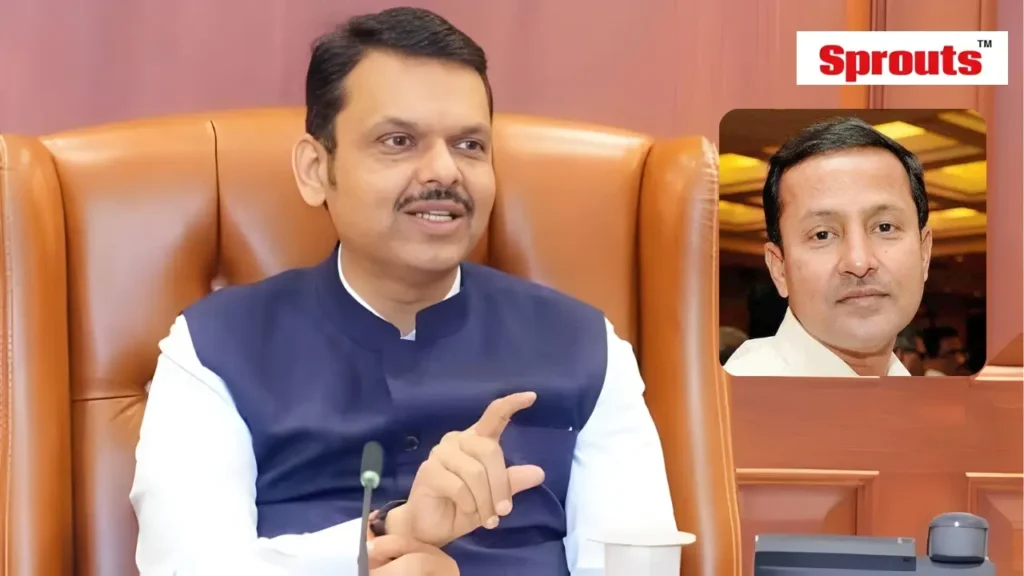
Urgent Intervention Required to Stop Auction of Vital Public Open Space in Worli
An urgent appeal has been made to the Maharashtra Chief Minister to halt the ₹1,348 crore auction of a six-acre former Century Mill land in Worli. BJP leader Vivekanand Gupta warned that selling this rare open space would worsen Mumbai’s severe green deficit, impact public health, and intensify climate risks. With Mumbai’s per capita open space far below global norms, the proposed auction has reignited debate over sustainable urban development.
- Urgent Intervention Required to Stop Auction of Vital Public Open Space in Worli
- Maharashtra Govt Urged to Halt Rs 1,348 Crore Century Mill Land Auction in Mumbai to Preserve ‘Lungs of Worli’
- The Shrinking Green: Mumbai’s Open Space Crisis
- A Flawed Metric: Questioning BMC’s Open Space Data
- Global Precedents vs. Local Priorities
- The Social Impact: Disproportionate Effects on Women and Children
- An Urgent Appeal for Sustainable Urban Planning
Maharashtra Govt Urged to Halt Rs 1,348 Crore Century Mill Land Auction in Mumbai to Preserve ‘Lungs of Worli’
Mumbai faces a critical juncture as a six-acre green expanse in Worli heads for a high-stakes auction. The Municipal Corporation of Greater Mumbai (MCGM) has floated a tender to sell the former Century Cotton Mill land. The base price is set at a staggering Rs 1,348 crore, inviting private development under DCPR-2034 norms. This move has sparked urgent appeals to the Chief Minister for intervention.
Leading the charge is Vivekanand Gupta, a prominent BJP leader and social activist. In a direct letter to the Chief Minister, he highlights the city’s acute open space deficit. Mumbai’s per capita open space stands at a meagre 1.1 to 1.24 square metres. This figure falls drastically short of global benchmarks for healthy urban living.
The Shrinking Green: Mumbai’s Open Space Crisis
The World Health Organization recommends a minimum of 9 square metres per person. The United Nations advocates for 30 square metres per capita. Mumbai’s reality is a fraction of these international standards. The proposed auction site sits in Worli, an area already saturated with high-rise buildings.
Rapid concretisation from redevelopment projects has consumed former mill lands. This has left minimal breathing room in this densely populated business district. Preserving every remaining patch of open space is now non-negotiable. The loss of this six-acre plot would exacerbate the existing urban heat island effect.
Green spaces are vital for mitigating rising local temperatures. They improve air quality and aid rainwater absorption to reduce flooding. The public health implications of losing such spaces are severe. Accessible parks are crucial for physical recreation and mental well-being.
A Flawed Metric: Questioning BMC’s Open Space Data
The Brihanmumbai Municipal Corporation’s Development Plan 2034 claims 46% open space. This percentage is misleading, as revealed by the Sprouts News investigation. The BMC’s calculation includes inaccessible wetlands, mangroves, and environmentally sensitive zones.
These areas do not function as public parks or recreational grounds for citizens. Simultaneously, other reserved lands like salt pans and railway plots are allocated for construction. This sleight of hand artificially inflates green cover statistics on paper.
The actual usable, accessible green space for Mumbaikars is critically low. The Century Mill land represents a rare, sizable parcel in central Mumbai. Its value for public welfare far exceeds its commercial appraisal for private development.
Also Read: SEBI Fines Basant Maheshwari Firm ₹4 Lakh for Violations.
Global Precedents vs. Local Priorities
World-class cities are defined by their preserved green lungs. London has Hyde Park, New York boasts Central Park, and Bengaluru cherishes Cubbon Park. These iconic spaces are protected in their entirety for public use. They are not carved into parcels for sale to the highest bidder.
Mumbai desperately needs a similar commitment to its essential commons. Public land is held in trust by the government for citizen welfare. The Maharashtra government and BMC are its custodians, not owners. Their primary duty is to maintain it for public purpose.
The auction of this land raises fundamental questions about urban priorities. Balancing infrastructure growth with environmental sustainability is key. The current approach seems to favour concrete over community health and ecological balance.
The Social Impact: Disproportionate Effects on Women and Children
The deficit of safe, open spaces disproportionately affects vulnerable groups. Women and children often lack secure locations for play and exercise. This shortage directly impacts their development, safety, and overall well-being. A city’s planning must prioritise the needs of all its residents.
The Covid-19 pandemic underscored the importance of local, accessible open areas. They provide essential space for community interaction and stress relief. In a dense metropolis like Mumbai, these spaces are not a luxury but a necessity.
The Chief Minister’s leadership has overseen rapid infrastructure development. This progress is a boon for connectivity and economic growth. However, sustainable urban planning requires a balance with green preservation.
An Urgent Appeal for Sustainable Urban Planning
Vivekanand Gupta’s letter is a clarion call for immediate action. He urges the CM to halt the auction process immediately. The land must be preserved as a public park for current and future generations.
This is not merely about one plot in Worli. It is about setting a precedent for how Mumbai values its environment. The decision will signal whether ecological and social health can coexist with development.
The Rs 1,348 crore price tag reflects its immense commercial value. Yet, its value as a public health asset, a climate mitigator, and a community hub is incalculable. The government must choose between short-term revenue and long-term citizen welfare.
Sprouts News urges policymakers to reconsider this auction. Sustainable urban futures are built by protecting green spaces, not selling them. The true measure of a city’s development is the quality of life it offers its residents. Preserving this open space is a critical step toward a healthier, more resilient Mumbai.