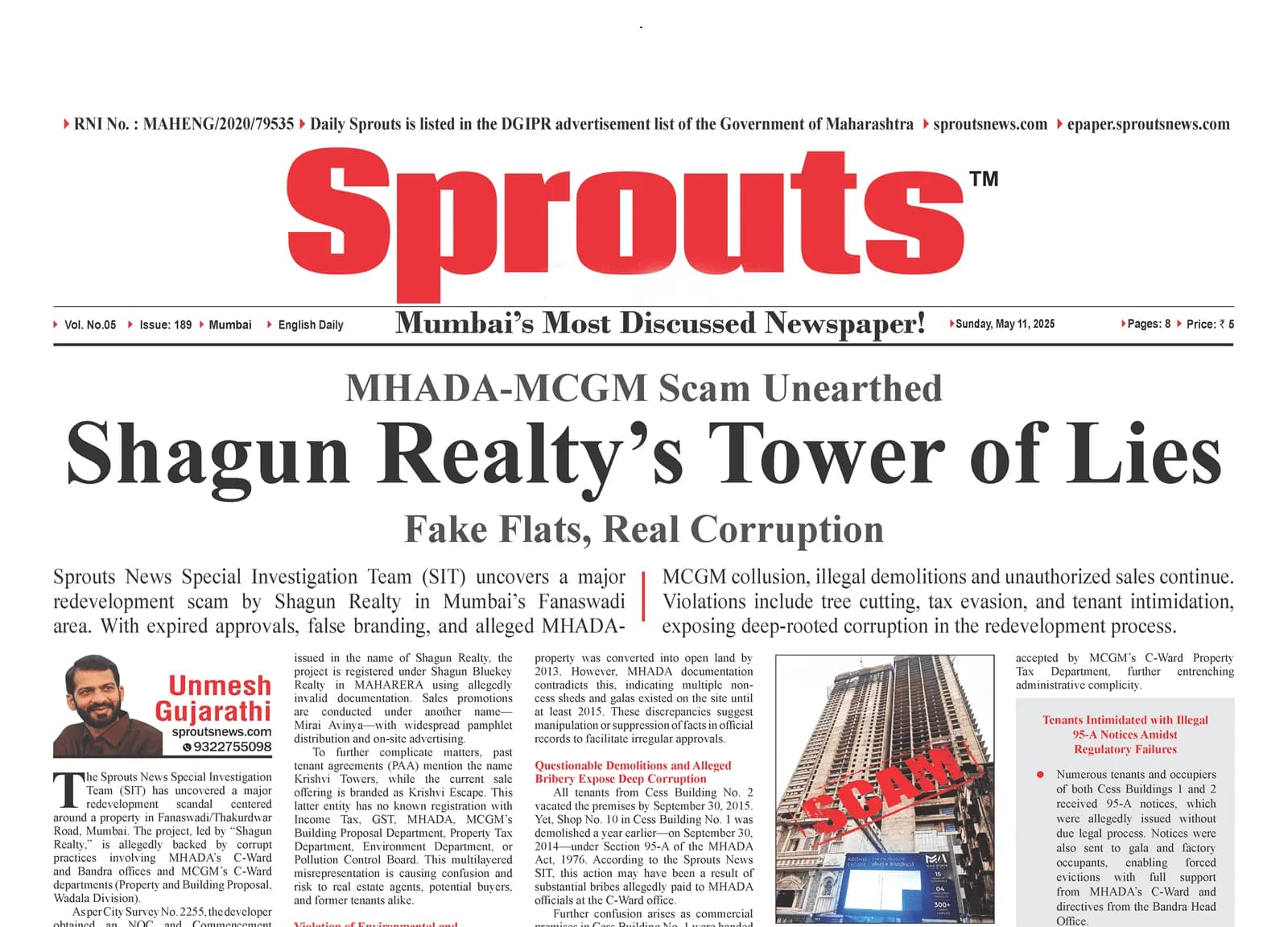
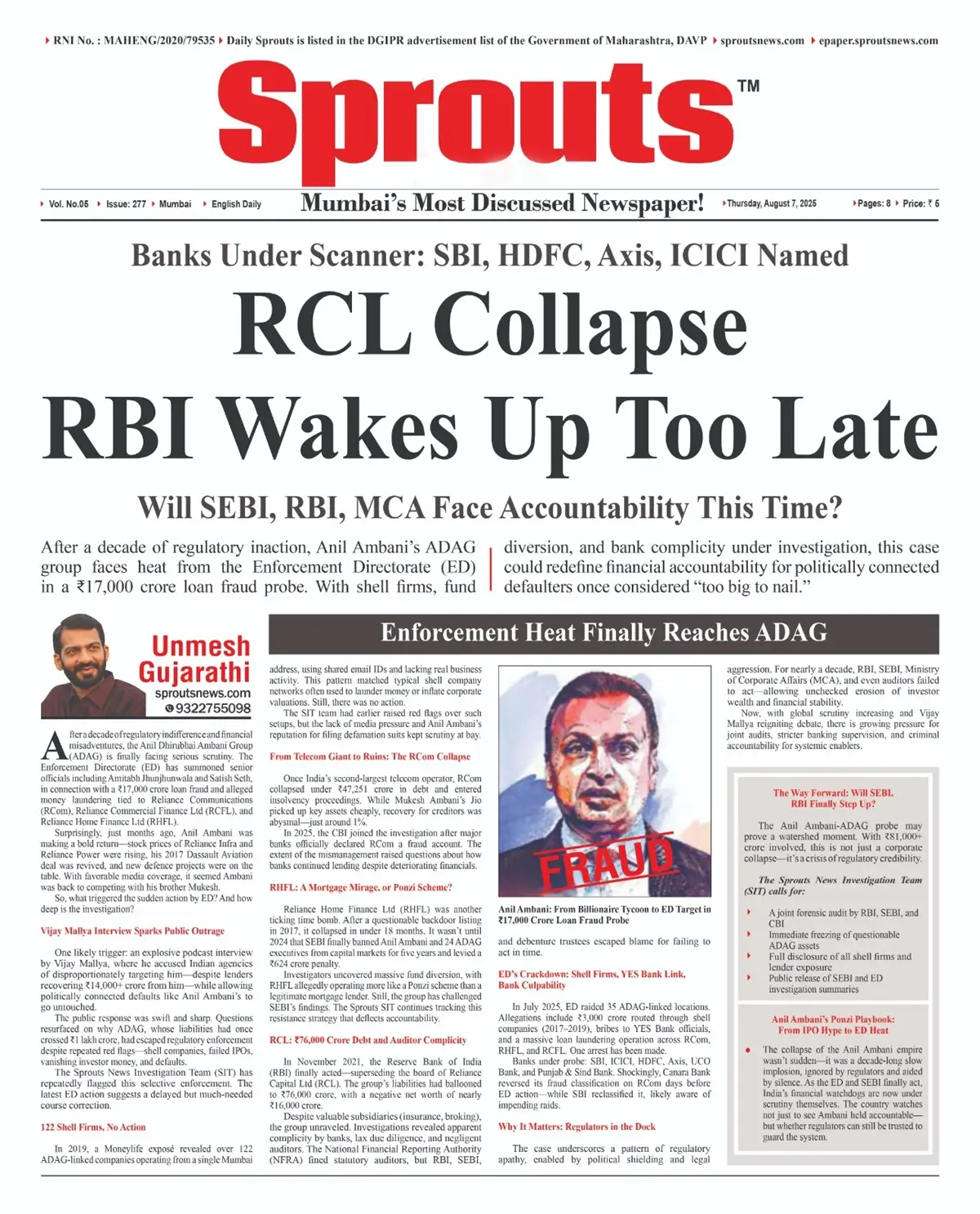
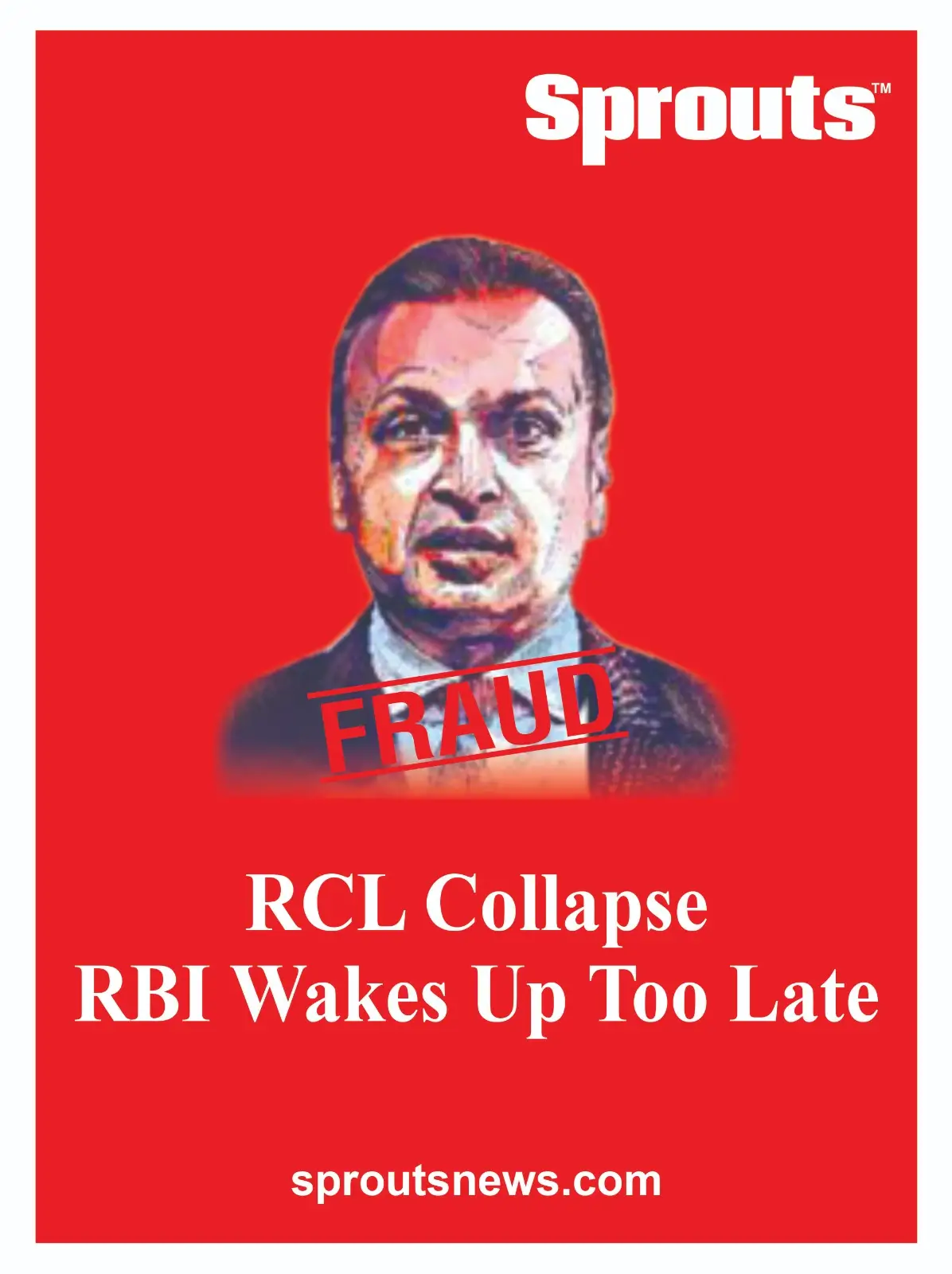
RCL Collapse: RBI Wakes Up Too Late
• Banks Under Scanner: SBI, HDFC, Axis, ICICI Named
• Will SEBI, RBI, MCA Face Accountability This Time?
Unmesh Gujarathi
Sprouts News Exclusive
Contact: +91 9322755098
After a decade of regulatory inaction, Anil Ambani’s ADAG group faces heat from the Enforcement Directorate (ED) in a ₹17,000 crore loan fraud probe. With shell firms, fund diversion, and bank complicity under investigation, this case could redefine financial accountability for politically connected defaulters once considered “too big to nail.”
Enforcement Heat Finally Reaches ADAG
After a decade of regulatory indifference and financial misadventures, the Anil Dhirubhai Ambani Group (ADAG) is finally facing serious scrutiny. The Enforcement Directorate (ED) has summoned senior officials including Amitabh Jhunjhunwala and Satish Seth, in connection with a ₹17,000 crore loan fraud and alleged money laundering tied to Reliance Communications (RCom), Reliance Commercial Finance Ltd (RCFL), and Reliance Home Finance Ltd (RHFL).
Surprisingly, just months ago, Anil Ambani was making a bold return—stock prices of Reliance Infra and Reliance Power were rising, his 2017 Dassault Aviation deal was revived, and new defence projects were on the table. With favorable media coverage, it seemed Ambani was back to competing with his brother Mukesh.
Click Here To Download the News Attachment
[audio mp3="https://sproutsnews.com/wp-content/uploads/2025/08/RCL-Collapse-RBI-Wakes-Up-Too-Late.mp3"][/audio]
So, what triggered the sudden action by ED? And how deep is the investigation?
Vijay Mallya Interview Sparks Public Outrage
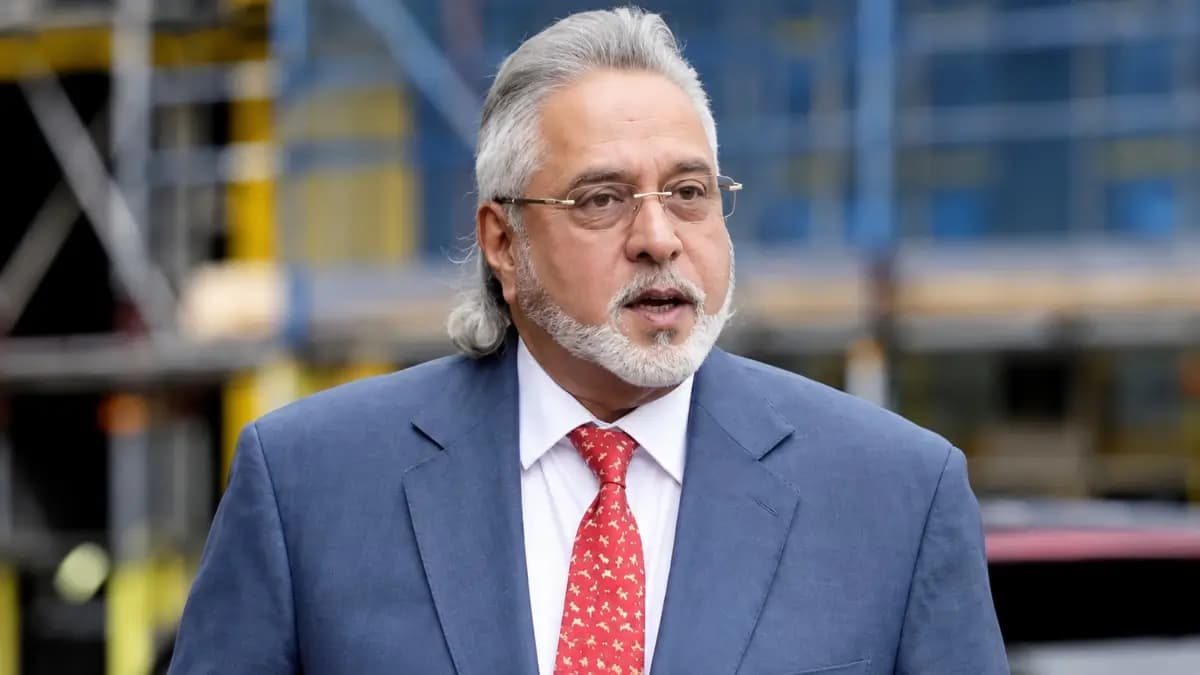
One likely trigger: an explosive podcast interview by Vijay Mallya, where he accused Indian agencies of disproportionately targeting him—despite lenders recovering ₹14,000+ crore from him—while allowing politically connected defaults like Anil Ambani’s to go untouched.
The public response was swift and sharp. Questions resurfaced on why ADAG, whose liabilities had once crossed ₹1 lakh crore, had escaped regulatory enforcement despite repeated red flags—shell companies, failed IPOs, vanishing investor money, and defaults.
The Sprouts News Investigation Team (SIT) has repeatedly flagged this selective enforcement. The latest ED action suggests a delayed but much-needed course correction.
122 Shell Firms, No Action
In 2019, a Moneylife exposé revealed over 122 ADAG-linked companies operating from a single Mumbai address, using shared email IDs and lacking real business activity. This pattern matched typical shell company networks often used to launder money or inflate corporate valuations. Still, there was no action.
The SIT team had earlier raised red flags over such setups, but the lack of media pressure and Anil Ambani’s reputation for filing defamation suits kept scrutiny at bay.
From Telecom Giant to Ruins: The RCom Collapse
Once India’s second-largest telecom operator, RCom collapsed under ₹47,251 crore in debt and entered insolvency proceedings. While Mukesh Ambani’s Jio picked up key assets cheaply, recovery for creditors was abysmal—just around 1%.
In 2025, the CBI joined the investigation after major banks officially declared RCom a fraud account. The extent of the mismanagement raised questions about how banks continued lending despite deteriorating financials.
RHFL: A Mortgage Mirage, or Ponzi Scheme?
Reliance Home Finance Ltd (RHFL) was another ticking time bomb. After a questionable backdoor listing in 2017, it collapsed in under 18 months. It wasn’t until 2024 that SEBI finally banned Anil Ambani and 24 ADAG executives from capital markets for five years and levied a ₹624 crore penalty.
Investigators uncovered massive fund diversion, with RHFL allegedly operating more like a Ponzi scheme than a legitimate mortgage lender. Still, the group has challenged SEBI’s findings. The Sprouts SIT continues tracking this resistance strategy that deflects accountability.
RCL: ₹76,000 Crore Debt and Auditor Complicity
In November 2021, the Reserve Bank of India (RBI) finally acted—superseding the board of Reliance Capital Ltd (RCL). The group’s liabilities had ballooned to ₹76,000 crore, with a negative net worth of nearly ₹16,000 crore.
Despite valuable subsidiaries (insurance, broking), the group unraveled. Investigations revealed apparent complicity by banks, lax due diligence, and negligent auditors. The National Financial Reporting Authority (NFRA) fined statutory auditors, but RBI, SEBI, and debenture trustees escaped blame for failing to act in time.
ED’s Crackdown: Shell Firms, YES Bank Link, Bank Culpability
In July 2025, ED raided 35 ADAG-linked locations. Allegations include ₹3,000 crore routed through shell companies (2017–2019), bribes to YES Bank officials, and a massive loan laundering operation across RCom, RHFL, and RCFL. One arrest has been made.
Banks under probe: SBI, ICICI, HDFC, Axis, UCO Bank, and Punjab & Sind Bank. Shockingly, Canara Bank reversed its fraud classification on RCom days before ED action—while SBI reclassified it, likely aware of impending raids.
Why It Matters: Regulators in the Dock
The case underscores a pattern of regulatory apathy, enabled by political shielding and legal aggression. For nearly a decade, RBI, SEBI, Ministry of Corporate Affairs (MCA), and even auditors failed to act—allowing unchecked erosion of investor wealth and financial stability.
Now, with global scrutiny increasing and Vijay Mallya reigniting debate, there is growing pressure for joint audits, stricter banking supervision, and criminal accountability for systemic enablers.
Also Read: Vedanta Accused of Massive Leak: ₹81,000 Cr Outflow.
The Way Forward: Will SEBI, RBI Finally Step Up?
The Anil Ambani-ADAG probe may prove a watershed moment. With ₹81,000+ crore involved, this is not just a corporate collapse—it’s a crisis of regulatory credibility.
The Sprouts News Investigation Team (SIT) calls for:
•A joint forensic audit by RBI, SEBI, and CBI
•Immediate freezing of questionable ADAG assets
•Full disclosure of all shell firms and lender exposure
•Public release of SEBI and ED investigation summaries
Anil Ambani’s Ponzi Playbook: From IPO Hype to ED Heat
The collapse of the Anil Ambani empire wasn’t sudden—it was a decade-long slow implosion, ignored by regulators and aided by silence. As the ED and SEBI finally act, India’s financial watchdogs are now under scrutiny themselves. The country watches not just to see Ambani held accountable—but whether regulators can still be trusted to guard the system.