
The Maharashtra government has passed an Amendment for Private Skill University Bill, marking a key step toward strengthening skill-based education and rural employment. Under Chief Minister Devendra Fadnavis, two institutions—Pasha Patel Skill Tech University in Latur and FUEL Skill Tech Entrepreneurship University in Pune—have been approved. The initiative focuses on industry-oriented curricula, including artificial intelligence, finance, and environmental studies. Officials stated that the self-financed model will ensure no additional burden on state finances while expanding access to skill training. The move is expected to enhance employability and reduce migration from rural areas.
- Private Skill University Bill Passed: Devendra Fadnavis Government Clears New Universities for Rural Employment Push
- Key universities approved: Pasha Patel and FUEL institutions recognised
- Focus on the modern curriculum and industry-oriented training
- Policy approach and financial model of private universities
- Impact on rural employment and migration trends
- What happens next after the Legislative Council approval
Private Skill University Bill Passed: Devendra Fadnavis Government Clears New Universities for Rural Employment Push
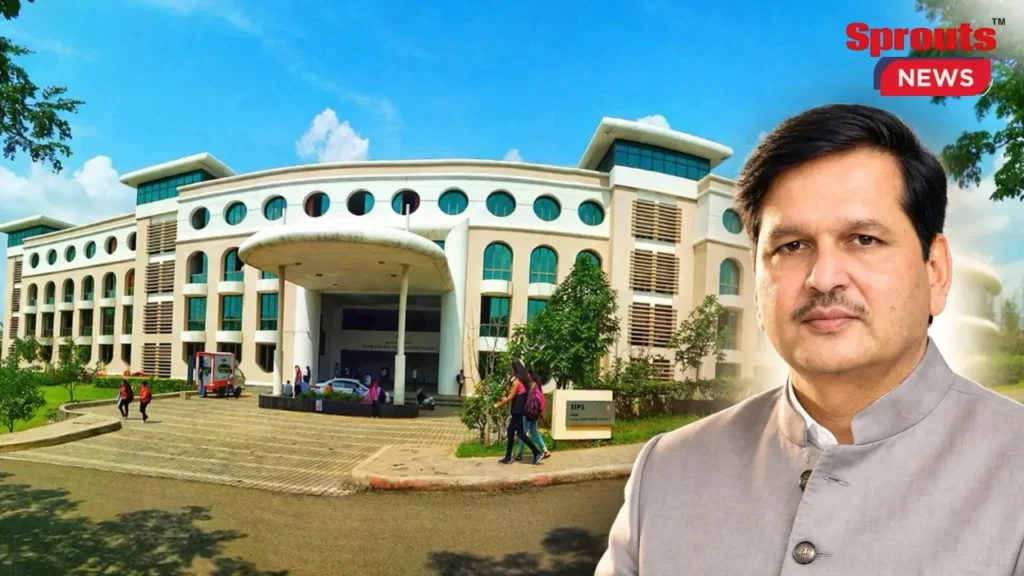
The Maharashtra Legislative Council passed the Private Skill University Amendment Bill, with Minister Mangal Prabhat Lodha highlighting its focus on rural employment. Under Chief Minister Devendra Fadnavis, two universities—Pasha Patel Skill Tech University and FUEL University—have been approved.
The Maharashtra Legislative Council has approved a key amendment bill aimed at boosting skill development and rural employment, with recognition granted to two new private universities.
The Private Skill University (Amendment) Bill has been passed in the Maharashtra Legislative Council, marking a significant step toward strengthening skill development and employment generation under the leadership of Chief Minister Devendra Fadnavis.
Skill Development Minister Mangal Prabhat Lodha stated that the bill focuses on enhancing employment opportunities, particularly in rural areas, by recognising institutions aligned with modern and industry-relevant skill education.
The initiative aligns with Prime Minister Narendra Modi’s Skill India mission, which aims to equip youth with employable skills and improve workforce readiness across sectors through structured training and education programmes.
Key universities approved: Pasha Patel and FUEL institutions recognised
Under the amended framework, two private institutions have received approval: Pasha Patel Skill Tech University in Latur and FUEL Skill Tech Entrepreneurship University in Pune, run by Friends Union for Energising Lives.
Pasha Patel, known for his work in bamboo cultivation and rural development, is associated with the Latur-based university, which will focus on environmental and sustainability-oriented skill programmes.
The FUEL Skill Tech Entrepreneurship University in Pune will offer courses in banking, finance, artificial intelligence, and digital marketing, addressing the growing demand for technology-driven professional skills.
Focus on the modern curriculum and industry-oriented training
Minister Mangal Prabhat Lodha emphasised that the universities will deliver cutting-edge curricula aligned with industry needs, ensuring that students receive practical and employment-oriented education in emerging sectors.
Courses will include degree and diploma programmes designed to meet the demands of sectors such as digital technology, environmental conservation, branding, media management, and entrepreneurship development.
The Pasha Patel Skill Tech University will also focus on wildlife conservation, climate change, and ecological studies, integrating environmental awareness with employability-focused training modules for students.
Also Read: Ashok Kharat Case Triggers Political Clash in Maharashtra.
Policy approach and financial model of private universities
The Maharashtra government has adopted a self-financed model for these private skill universities, ensuring that the expansion of higher education in the skill sector does not place an additional financial burden on the state.
Officials stated that this approach will enable institutions to design flexible, market-responsive curricula while maintaining a strong focus on employability and skill enhancement across diverse sectors.
The initiative aims to bridge the gap between education and industry requirements by producing a skilled workforce capable of meeting both domestic and global employment demands.
Impact on rural employment and migration trends
The bill places particular emphasis on rural development by providing local youth with access to skill-based higher education and training opportunities within their regions, reducing the need for migration.
Legislators expressed confidence that the move will strengthen Maharashtra’s skill ecosystem and contribute to sustainable economic growth by creating job-ready human resources in rural and semi-urban areas.
The initiative is expected to generate employment opportunities locally, reduce migration pressures, and empower youth with industry-relevant capabilities to compete at national and global levels.
What happens next after the Legislative Council approval
Following approval in the Legislative Council, the bill is expected to be passed in the Legislative Assembly, after which implementation of both universities will formally begin across Maharashtra.
Once operational, these institutions are expected to play a key role in advancing the state’s vision of a skilled and employment-ready workforce under the leadership of Devendra Fadnavis and the guidance of Mangal Prabhat Lodha.
The development signals a broader policy shift toward skill-based education, reinforcing Maharashtra’s commitment to aligning academic frameworks with evolving economic and technological demands in a competitive global environment.