

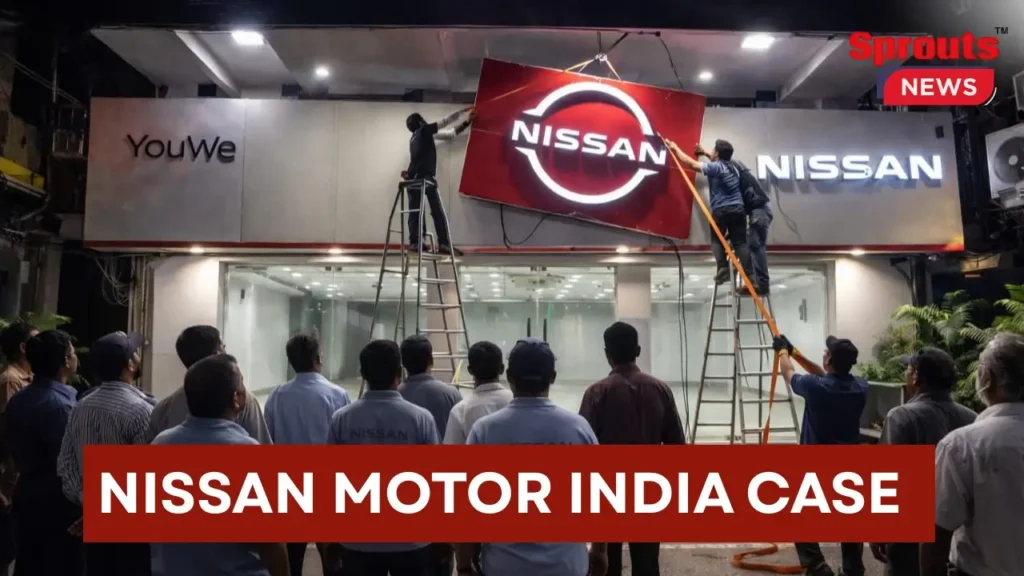
The Nissan Motor India dealership dispute has drawn attention after the Punjab and Haryana High Court granted interim relief to You, We, and Cars. The case centres on allegations of “forced inventory”, contract termination without due process, and financial strain on dealers. The court’s intervention ensures temporary protection while arbitration proceedings continue. The dispute highlights broader concerns about OEM-dealer relationships, contractual balance, and business sustainability within India’s rapidly evolving automobile retail ecosystem.
- Nissan Motor India case explained: High Court relief in ‘forced inventory’ dispute with You, We, and Cars
- Nissan Motor India dealership termination dispute and allegations
- Gurugram Commercial Court proceedings and arbitration timeline
- Punjab and Haryana High Court grants interim relief
- Implications for Nissan Motor India and the dealer ecosystem
Nissan Motor India case explained: High Court relief in ‘forced inventory’ dispute with You, We, and Cars
Punjab and Haryana High Court grants interim protection to dealership as allegations of unfair practices and contract termination raise concerns over OEM-dealer relations in India’s auto sector.
The Nissan Motor India dispute has intensified after You, We, and Cars secured interim relief from the Punjab and Haryana High Court in a dealership termination case.
The conflict stems from a termination notice issued in September 2025, which the dealership challenged, alleging a violation of the principles of contractual fairness and natural justice within the automotive retail ecosystem.
Nissan Motor India dealership termination dispute and allegations
The dispute originated on 5 September 2025, when Nissan Motor India terminated its agreement with You, We, and Cars without issuing a prior show cause notice, according to court submissions.
The dealership argued that the termination was executed under a one-sided contractual framework favouring the manufacturer, prompting legal proceedings seeking compensation and restoration of business rights through judicial intervention.
It further alleged that Nissan Motor India imposed unfair practices, including compelling dealers to accept excess stock despite low demand and allegedly inflating retail invoicing to reflect stronger sales performance.
This practice, described as “forced inventory”, reportedly required dealerships to absorb unsold vehicles irrespective of market realities, increasing financial exposure and operational strain for showroom operators.
Dealers also cited delays in incentive payments, rejection of legitimate claims, and declining margins, alleging that company management distanced itself from dealership profitability concerns, thereby intensifying business risks.
Gurugram Commercial Court proceedings and arbitration timeline
Following the termination notice, You, We, and Cars approached the Gurugram Commercial Court while initiating arbitration proceedings as per contractual provisions to resolve the dispute.
In December 2025, the commercial court granted interim relief by staying the termination notice for two months, enabling the dealership to initiate arbitration and appoint an arbitrator for adjudication.
However, on 21 February 2026, the court declined to extend this protection, observing that granting further relief would effectively amount to reviewing its earlier judicial order.
This prompted the dealership to escalate the matter to the Punjab and Haryana High Court, seeking continuation of interim protection pending constitution of the arbitral tribunal.
Also Read: Raju Batla Case Raises Crime, Poll Influence Questions.
Punjab and Haryana High Court grants interim relief
In its order dated 9 March 2026, the Punjab and Haryana High Court stayed the operation of the commercial court’s February ruling, providing temporary relief to the dealership.
The High Court directed the continuation of the earlier interim protection and issued a notice of motion, indicating that the matter will undergo detailed examination in subsequent hearings.
This intervention ensures that the dealership remains protected against immediate termination while arbitration proceedings continue, maintaining the status quo in the contractual dispute for the time being.
Implications for Nissan Motor India and the dealer ecosystem
The ongoing legal battle presents fresh challenges for Nissan Motor India as it seeks to expand its footprint in India’s competitive passenger vehicle segment through new dealer partnerships and product launches.
Industry observers suggest that disputes involving allegations such as forced inventory could impact dealer sentiment and investor confidence, particularly in a market where trust and contractual transparency remain critical.
As highlighted by Sprouts News, the case underscores broader concerns regarding OEM-dealer relationships, including fairness in agreements, financial risk allocation, and accountability within dealership operations.
The outcome of arbitration proceedings and future High Court hearings will be crucial in determining contractual liabilities and shaping industry practices, with potential implications for regulatory oversight and dealer protection frameworks.
Readers’ Appeal:
Your voice matters. If you have credible information, documents, or insights related to this investigation, step forward and help uncover the truth. Contact Unmesh Gujarathi, Senior Investigation Editor and Editor-in-Chief of Sprouts News, at 9322755098.