

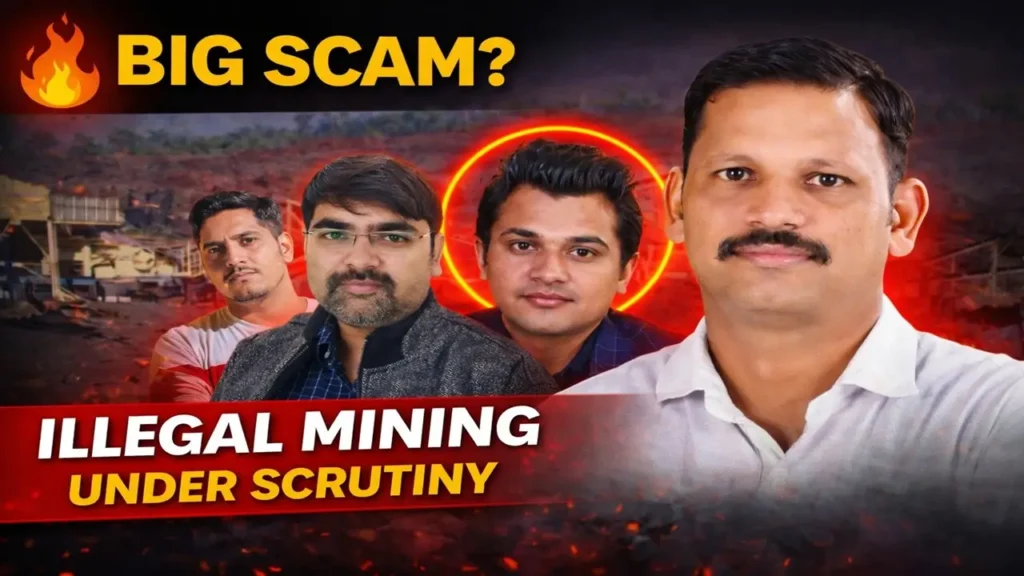
The Shivalaya Construction Private Limited case has come under scrutiny after a complaint by Somnath Purushottam Mirkute alleged illegal mining, environmental violations, and revenue loss in Kalyan’s Waholi area. The project, linked to the Vadodara–Mumbai Expressway, is accused of bypassing regulatory norms related to mineral extraction, pollution control, and labour safety. While allegations remain unverified, the case highlights concerns around compliance, oversight, and environmental impact in large infrastructure projects.
- Shivalaya Construction case: Somnath Purushottam Mirkute’s complaint alleges illegal mining, revenue loss, and violations in Kalyan
- Allegations of collusion and regulatory violations surface
- Key legal violations under scrutiny in the Shivalaya Construction case
- Water extraction, labour safety, and pollution concerns
- Rising accidents and farmers’ complaints escalate tensions
- Questions raised over administrative oversight and inspection gaps
- Demand for strict action, investigation, and transparency
- Broader implications and what lies ahead
Shivalaya Construction case: Somnath Purushottam Mirkute’s complaint alleges illegal mining, revenue loss, and violations in Kalyan
Serious allegations raised by social activist and complainant Somnath Purushottam Mirkute highlight suspected illegal mining, environmental breaches, and administrative lapses linked to Shivalaya Construction Private Limited in Thane district.
Shivalaya Construction case has come under scrutiny after a formal complaint by Somnath Purushottam Mirkute, alleging large-scale illegal mining, revenue loss, and regulatory violations in Mauje Waholi, Kalyan taluka, Thane district.
The project, linked to the Vadodara–Mumbai Expressway Package-16, involves an RMC plant and quarry operated by Shivalaya Construction Private Limited, which is now facing allegations from farmers, activists, and local stakeholders.
Allegations of collusion and regulatory violations surface
According to the complaint filed by Somnath Purushottam Mirkute, company officials, including Sanjay Tyagi, Highway Manager, Vipin Mishra, Senior Manager – Project and Administration, and Ankit Hooda, Civil Engineer, are under scrutiny.
The complaint alleges possible collusion between company officials and local revenue authorities, including Talathi and Mandal officers, who are accused of withholding statutory information and enabling regulatory violations.
Under the Maharashtra Land Revenue Code (MLRC) 1966, particularly Section 48, minerals are state property, requiring strict documentation and royalty compliance, which the complaint claims has been bypassed.
Key legal violations under scrutiny in the Shivalaya Construction case
The complaint highlights alleged violations under the Minor Mineral Rules 2013, especially Rules 63 and 64, regarding stock register maintenance and mandatory reporting to the Tehsildar’s office.
It further alleges discrepancies between actual excavation volumes and e-Transit Pass (e-TP) records, raising suspicion of royalty evasion and incomplete disclosure of mineral extraction data.
Village Form 16 records, which are legally required to document mineral ownership and transport permits, have reportedly not been maintained transparently, restricting public access to compliance information.
Environmental violations cited in the complaint include failure to implement 33 per cent plantation norms and absence of air pollution control systems mandated under Consent to Operate conditions.
Water extraction, labour safety, and pollution concerns
The complaint alleges unauthorised groundwater extraction through borewells without permission from the Central Ground Water Authority (CGWA), potentially violating applicable water regulations and statutory norms.
Labour welfare violations under the Building and Other Construction Workers Act 1996 and Factories Act 1948 have also been cited, including a lack of safety equipment and inadequate health facilities.
Residents and farmers in Waholi have reported excessive dust pollution affecting crops, orchards, and daily life, raising concerns about environmental degradation and long-term agricultural impact.
Rising accidents and farmers’ complaints escalate tensions
The plant’s proximity to the Dahagaon–Kalyan road has reportedly increased accident risks, with raw material stockpiles allegedly obstructing public roadways and affecting safe vehicular movement in the area.
Farmers have alleged significant losses to vegetable crops and fruit orchards due to dust and wastewater discharge, while also claiming intimidation when seeking compensation for damages.
The complaint further states that some affected individuals have faced alleged threats of false legal cases when raising objections against the project or pursuing compensation claims.
Also Read: Fake Doctorate Scam in India: Nalanda NIRC Under Lens.
Questions raised over administrative oversight and inspection gaps
The complaint raises concerns regarding the role of district mining authorities and Tehsildar officials, particularly about the frequency and accuracy of site inspections conducted over the past four years.
It points to discrepancies in inspection reports submitted by Mandal officers, alleging inconsistencies between documented findings and actual site conditions observed on the ground.
The absence of updated records, including mineral storage permits, excavation limits, and transport authorisations, has intensified concerns over potential lapses in regulatory enforcement mechanisms.
Demand for strict action, investigation, and transparency
Somnath Purushottam Mirkute, Taluka President of Kalyan Rural Congress Committee, has demanded a comprehensive investigation using Electronic Total Station (ETS) surveys to assess the extent of alleged violations.
The complaint seeks verification of illegal excavation beyond permitted boundaries, assessment of royalty losses, and public disclosure of all project-related documents, including Village Form 16 records.
Residents have warned that failure to initiate action within eight days may lead to protests, including a proposed hunger strike from May 1, coinciding with Maharashtra Day.
Broader implications and what lies ahead
The case highlights broader governance concerns, including regulatory enforcement, environmental protection, and accountability in infrastructure-linked projects across Maharashtra and adjoining regions.
Authorities are expected to examine the allegations through due legal processes, ensuring adherence to statutory frameworks while balancing development objectives with environmental and public interest safeguards.
As investigations progress, the outcome may set a precedent for compliance and transparency in the mining and construction sectors, according to inputs reviewed by Sprouts News.
Readers’ Appeal
Unmesh Gujarathi, an investigative editor based in Mumbai, has consistently exposed major scams, frauds, and public interest issues through credible journalism.
If you are facing or aware of any scam, fraud, corruption, or wrongdoing, you may share verified information with our team for investigation and public reporting.
All inputs will be handled with discretion, and identities will be protected where required, in accordance with responsible journalistic and legal standards.
Editorial Note:
This article is based on publicly available FIR records, court case references, and reports published by multiple media organisations. The information is presented in the context of ongoing investigations and public interest reporting. Sprouts News does not make any judicial determination regarding the individuals mentioned and does not intend to defame any person or organisation. Any individual seeking clarification or wishing to provide an official response may contact the editorial team with verifiable documentation. The information is presented for journalistic and informational purposes.