Mumbai’s Mithi River Makeover Sparks Controversy as Adani Group Wins Major Civic Contract
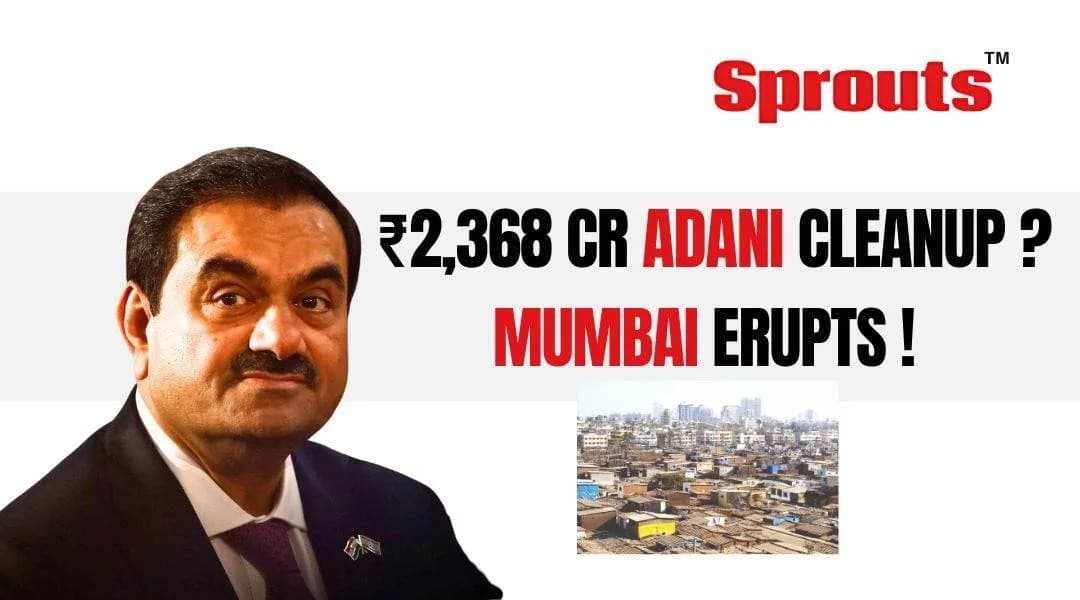
Mumbai’s BMC has awarded a ₹1,700 crore Adani Mithi River bid rejuvenation contract to the Adani Group under circumstances now stirring significant controversy. The conglomerate’s bid was 7.75% higher than estimated costs, yet the project was cleared just before the election code came into force. Critics allege cronyism, pointing to the timing, inflated pricing, and the group’s simultaneous use of gag orders against critics. The project covers an 8.8 km flood-prone stretch from Kurla to Mahim Causeway.
In a move raising eyebrows, the Brihanmumbai Municipal Corporation (BMC) has awarded a ₹1,700 crore contract for the Mithi River's revival to the Adani Group. This comes alongside the group's contentious involvement in the Dharavi redevelopment project. Critics question the timing and transparency of the tender process, awarded just before the election code of conduct took effect.The contract covers a crucial 8.8-kilometre stretch from Kurla to Mahim Causeway. It aims to prevent recurring floods that paralyze Mumbai each monsoon. Work includes constructing retaining walls and laying new sewer lines.
A Controversial Award: Questions Over Timing and Cost
The tender was awarded to Adani Group's construction arm under controversial circumstances. The company's bid was approximately 7.75% higher than the BMC's estimated cost for the project.
Despite the higher price, the BMC cleared the award, agreeing to pay an extra ₹100 crore. Officials have defended the decision, citing the project's technical complexity and urgent need.
However, the timing has ignited significant political debate. The contract was finalised just before the model code of conduct for elections came into force.
This has led opposition parties to allege a hurried process. They accuse the administration of favouring a conglomerate with perceived close ties to the central government.
Corporate Growth and Political Parallels: The Adani Phenomenon
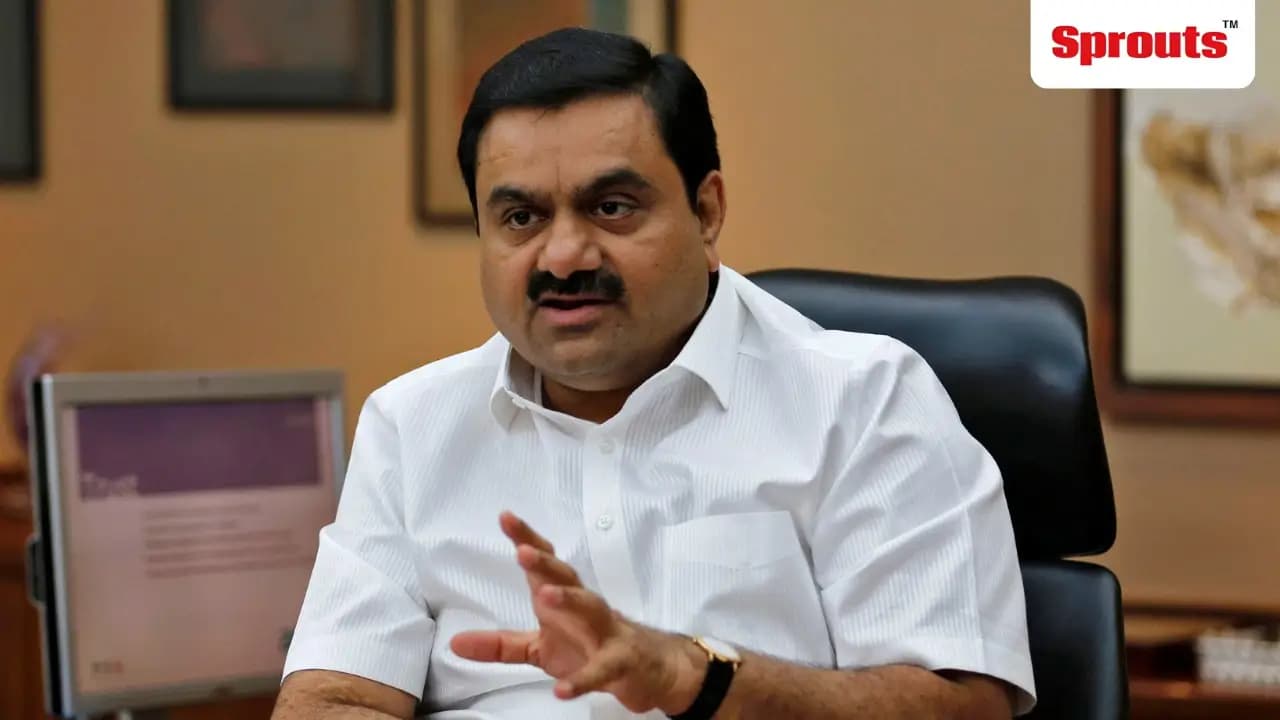
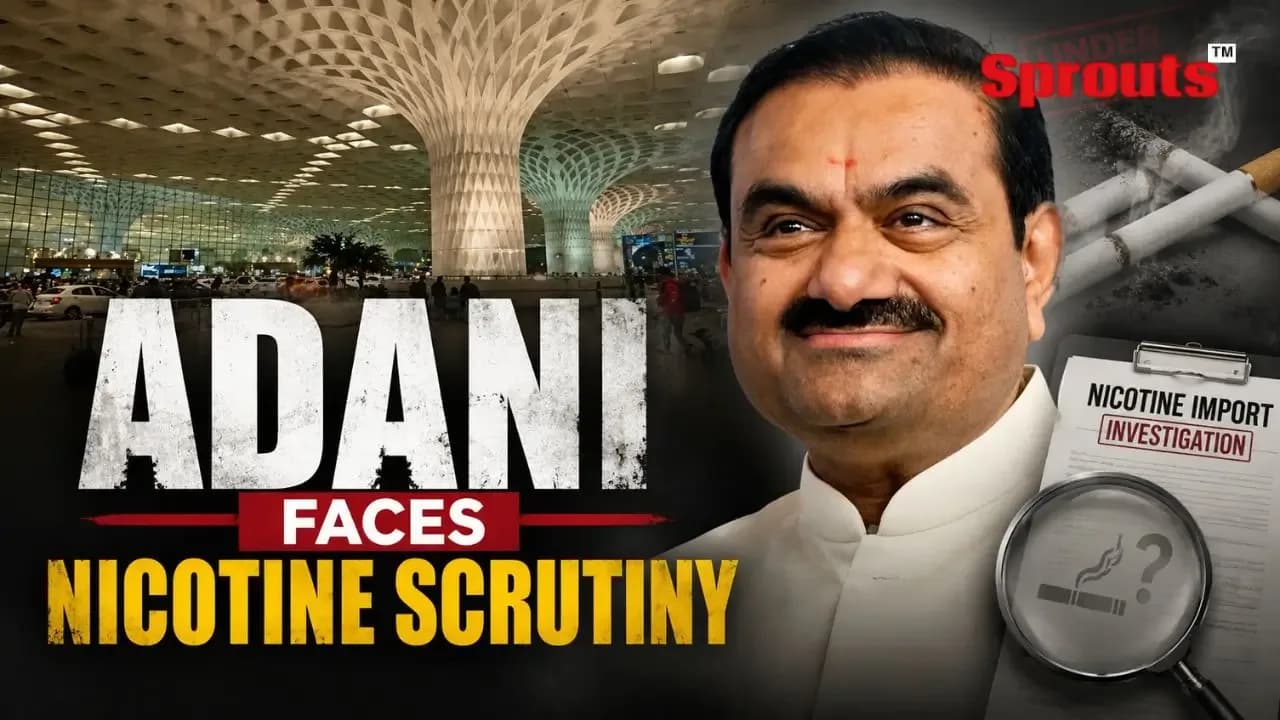
The Adani Group's remarkable expansion has closely mirrored the political career of Prime Minister Narendra Modi. From a modest beginning, Gautam Adani is now among the world's wealthiest individuals.
His conglomerate spans ports, airports, energy, and infrastructure. Its market capitalisation has soared, reflecting its dominant role in India's economy.
This growth trajectory has often intersected with national policy goals. The group's interests in sectors like transportation and energy align with government initiatives.
Such parallels have fueled persistent allegations of crony capitalism. Opponents argue the group benefits from preferential policy treatment and contract awards.
Also Read: 18 Investors Duped in Mumbai Redevelopment Fraud.
The Legal Arsenal: Gag Orders and Silencing Critics
Beyond business, the Adani Group has aggressively pursued its critics in court. In September 2025, a Delhi court issued a sweeping gag order at the group's request.
The order targeted nine prominent journalists and digital platforms. It forced the takedown of over 140 YouTube videos and 80 Instagram posts.
Lawyers for the journalists argued this sets a dangerous precedent. They stated the "ex parte" order violates principles of natural justice and free speech.
This legal strategy is seen as a SLAPP suit—Strategic Lawsuit Against Public Participation. The goal is to silence criticism through costly, lengthy legal battles.
Regulatory Clean Chit: SEBI Closes the Hindenburg Chapter
This controversy unfolds as the group emerges from a major scandal. In September 2025, SEBI concluded its investigation into the Hindenburg Research allegations.
The regulator gave the Adani Group a clean chit on key charges of stock manipulation. It found no conclusive evidence of illegal related-party transactions.
Gautam Adani declared the "cloud that hung over us" had lifted. The group framed the ordeal as an "agnipariksha," or trial by fire, that strengthened it.
However, SEBI's findings hinged on the legal definitions at the time. Newer, stricter rules on related-party transactions took effect only in April 2023.
Policy Nexus: Where Business Meets Government Priority
Analysts note a pattern where Adani's business wins align with state and central government priorities. The Mithi River project is a critical piece of Mumbai's flood management infrastructure.
Similarly, the Dharavi redevelopment is a flagship urban renewal project. The group's control of major airports also places it at the centre of national connectivity.
This nexus extends overseas, where diplomatic efforts have sometimes aided the group's interests. Such synergy, while legal, blurs lines between public good and private gain.
The lack of a transparent, competitive bidding culture erodes public trust. It creates an environment where perception matters as much as procedure.
The Future: Infrastructure Growth Amid Governance Questions
The Adani Group continues to pursue massive infrastructure projects across India and abroad. Its ambitions in renewable energy, ports, and logistics are scaling new heights.
For Mumbai, the immediate concern is whether the Mithi River project will finally solve the flood menace. Citizens await tangible results from the costly initiative.
The broader question is about equitable economic growth. Can India foster a competitive marketplace where no single entity holds disproportionate sway?
The balance between leveraging private capital for public projects and ensuring fair play remains delicate. The Mithi River contract is the latest test case for this balance.
The Sprouts News Special Investigation Team will continue to monitor the project's execution and financials. We are committed to investigative journalism that holds power accountable.
The Unflinching Watchdog: Exposing Power and Controversy
Leading the Sprouts News Special Investigation Team, Unmesh Gujarathi has directed groundbreaking probes into the Adani Group's operations. His team's investigative reports have scrutinised controversial contract awards, like the ₹1,700 crore Mithi River project. They have also documented the group's use of legal gag orders to silence journalistic criticism. This work highlights persistent questions about corporate influence and governance in India's infrastructure boom.