The Bar Council Election in Maharashtra and Goa is witnessing increased engagement as senior advocate Dr Uday Prakash Warunjikar presents a reform-focused agenda. In an exclusive interaction, he highlighted critical issues, including inadequate court infrastructure, lack of transparency, and the need for stronger advocate welfare policies. Drawing on decades of legal experience, his proposals include improving judicial facilities, ensuring fair governance, and expanding support systems for lawyers. His candidature reflects growing demand within the legal community for accountability, better working conditions, and institutional reforms across Maharashtra and Goa.
Bar Council Election Maharashtra Goa: Adv Dr Uday Prakash Warunjikar Outlines Vision in Exclusive Interview
Bar Council Election in Maharashtra and Goa has gained momentum as senior advocate Dr Uday Prakash Warunjikar sets out a reform-driven agenda focusing on infrastructure, transparency, and welfare of advocates across the state.
In an exclusive interview with Editor-in-Chief Unmesh Gujarathi, the veteran legal professional shared his vision to strengthen institutional accountability and improve working conditions for lawyers in Maharashtra and Goa.
With over three decades of litigation experience before the Supreme Court of India and various High Courts, Dr Warunjikar brings a blend of legal expertise and grassroots engagement into the electoral discourse.
His candidature comes at a time when lawyers across districts are increasingly demanding better infrastructure, faster grievance redressal, and transparent governance within Bar Council systems.
Court Infrastructure Reform and Legal System Modernisation Key Focus Areas
Dr Warunjikar highlighted that inadequate court infrastructure remains one of the most pressing challenges affecting the efficiency of the judicial system and working conditions of advocates.
He has previously led multiple legal interventions on behalf of Bar Associations to address infrastructure gaps, including a landmark case that led to the construction of a sixteen-storey court building in Mazgaon, Mumbai.
In Ahmednagar, similar legal efforts contributed to the relocation of court premises and the construction of a modern five-storey judicial complex to improve accessibility and functionality.
He also initiated public interest litigation to address poor infrastructure in Consumer Commissions across Maharashtra, prompting corrective measures at the broader state level.
Issues concerning Co-operative Courts and Appellate Courts in Mumbai were also raised through litigation, resulting in judicial observations and corrective administrative actions.
Additionally, his intervention regarding the Maharashtra Administrative Tribunal led to monitoring by the High Court for reconstruction and improved facilities, reflecting sustained institutional impact.
Advocate Welfare Policies and Legal Rights Protection Take Centre Stage
A significant part of Dr Warunjikar’s agenda focuses on advocate welfare, particularly ensuring equal opportunities, financial security, and institutional support for lawyers across Maharashtra and Goa.
He has actively pursued petitions seeking enhanced benefits for advocates and improved working conditions in courts, while also addressing systemic challenges faced by the legal fraternity.
Notably, he has undertaken pro bono initiatives for disabled advocates and those with disabled dependents, ensuring access to welfare schemes and legal entitlements.
His legal interventions have also extended to maintaining transparency in Public Prosecutor examinations, safeguarding fairness and equal opportunity for aspiring candidates.
He has represented advocates in contempt proceedings and criminal matters arising from professional duties, reinforcing the importance of protecting the dignity and independence of the Bar.
Public interest litigations filed on behalf of advocate associations have further addressed broader concerns affecting court functioning and advocate rights across the state.
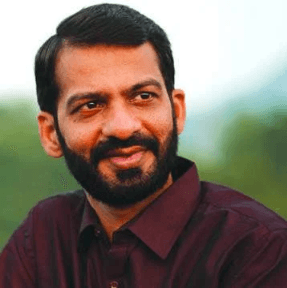
[caption id="attachment_18519" align="aligncenter" width="422"]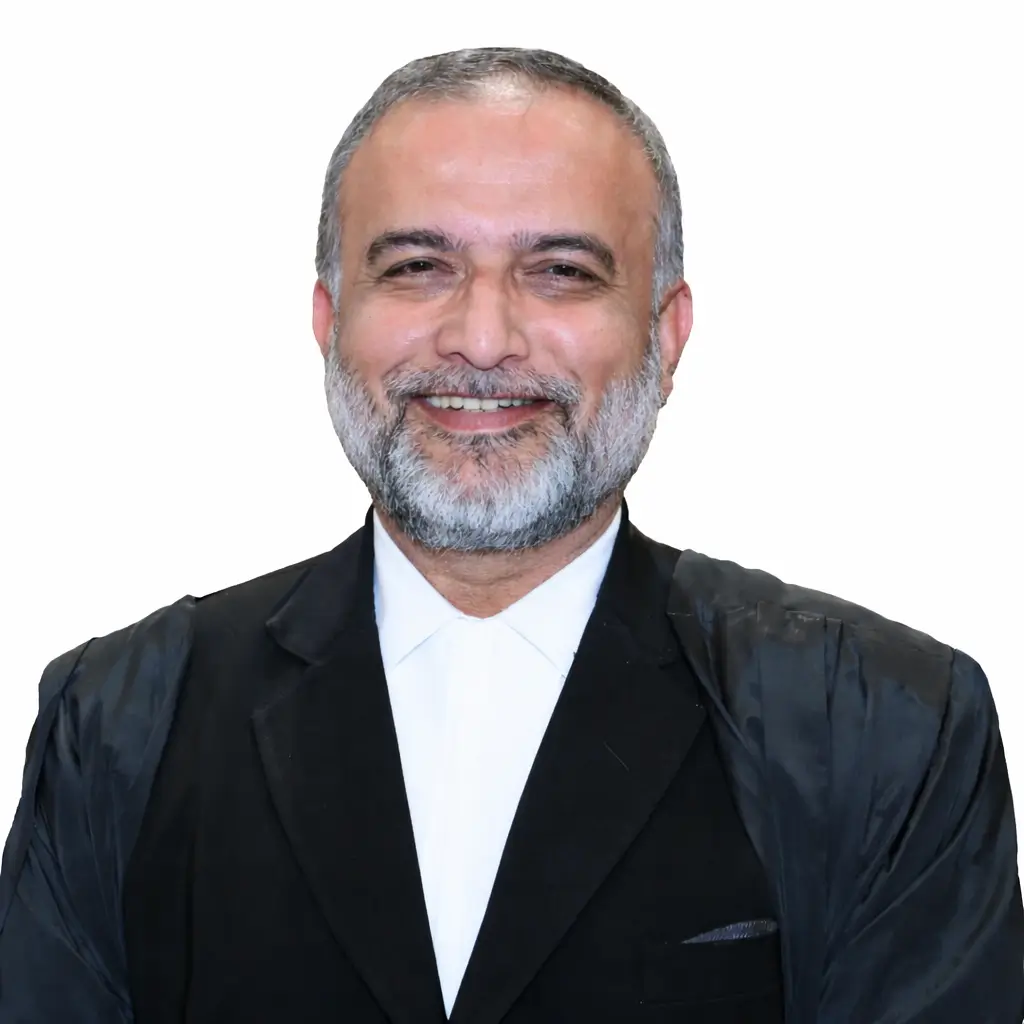 Adv. Dr Uday Prakash Warunjikar.[/caption]
COVID Relief Work and Disciplinary Efficiency Highlight Ground-Level Leadership
During the COVID lockdown, Dr Warunjikar was actively involved in providing direct assistance to advocates facing financial and logistical hardships due to court closures.
He coordinated the distribution of essential supplies, including grocery kits, ensuring that support reached affected members of the legal community during one of the most challenging periods.
Field visits and direct engagement ensured that relief measures were effectively implemented, reflecting a hands-on approach rather than administrative distance.
In terms of institutional discipline, he recorded one of the highest disposals of preliminary enquiries and disciplinary cases under the Advocates Act in recent years.
This performance is seen as critical in maintaining professional standards and ensuring the timely resolution of complaints within the legal system.
Also Read: BMC Nursing Superintendent Case: ₹8 Lakh Funds Under Scanner.
Transparent Governance and Grassroots Connect Shape Election Narrative
Dr Warunjikar has emphasised a model of leadership based on transparency, accountability, and direct engagement with advocates across districts and smaller Bar Associations.
He has consistently refrained from claiming financial allowances such as travel or sitting fees, positioning his work as service-oriented rather than benefit-driven.
Regular interaction with lawyers at the grassroots level has enabled him to understand practical challenges faced by practitioners beyond metropolitan centres.
This accessibility and responsiveness are being projected as key differentiators in the ongoing Bar Council election, where trust and representation remain central issues.
Observers note that such grassroots engagement can play a decisive role in shaping voting patterns, especially among younger advocates and district-level practitioners.
Why This Election Matters for Legal Reforms and Institutional Accountability
The Bar Council Election in Maharashtra and Goa is increasingly being viewed as a turning point for reforms in legal governance and institutional accountability.
Experts suggest that leadership choices in the Bar Council directly influence policy decisions, disciplinary mechanisms, and welfare initiatives affecting thousands of practising lawyers.
Dr Warunjikar’s campaign has brought attention to the need for structural reforms, digital transparency, and improved infrastructure within the legal ecosystem.
His emphasis on pro bono work, welfare policies, and systemic accountability aligns with broader demands from the legal fraternity for more inclusive and responsive governance.
As the election progresses, the outcome is expected to shape future directions in advocate welfare, judicial infrastructure, and regulatory oversight across Maharashtra and Goa.
Editorial Note on Experience and Public Service
Dr Uday Prakash Warunjikar holds a PhD focusing on gender justice, human rights, and legal frameworks under the PCPNDT Act, reflecting his academic and policy-oriented approach.
He has also contributed to protecting the rights of indigenous communities across India, aligning his legal work with constitutional values and social justice principles.
The insights shared during the exclusive interaction underline a career rooted in litigation, reform advocacy, and public service within the Indian legal system.
As the Bar Council election unfolds, his candidature represents a broader conversation on leadership, accountability, and the future of the legal profession in India.