Epstein Files and Anil Ambani: What the Disclosures Really Tell Us About Power, Access, and the Grey Zones of Global Influence
The newly released Jeffrey Epstein files reveal has reopened an uncomfortable conversation that goes far beyond one individual or one business house. At its core, these documents shed light on how informal power networks operate in parallel to official diplomacy, especially at moments when geopolitical interests and private business ambitions intersect.
The sustained communication between Jeffrey Epstein and Anil Ambani, revealed through publicly released US records, is not merely a curiosity about who spoke to whom. It raises deeper questions about how influence is claimed, brokered, and sometimes exaggerated in global political and business ecosystems.
Why this story matters now
India and United States relations during the late 2010 were marked by heightened defence cooperation, strategic realignment in the Indo Pacific, and large scale defence procurement. This period also coincided with Reliance Group’s push into defence manufacturing and aerospace partnerships.
Against this backdrop, the idea of a private businessman positioning himself as an informal conduit to a sitting government is significant. Even if no official authority existed, the perception of access itself carries value. In global lobbying culture, perceived proximity to power can open doors, shape conversations, and influence expectations, regardless of whether those claims are ultimately real.
The Epstein files matter because they document how such perceptions are constructed and traded.
Jeffery Epstein’s real role: fixer, exaggerator, or both?
Epstein’s communications consistently portray him as a connector who could navigate Washington, Tel Aviv, and other power centres with ease. He offered advice on dealing with the Trump administration, suggested preferred diplomatic appointments, and proposed introductions to senior political figures.
What is striking is not just the content of these messages, but the confidence with which Epstein claimed access. With figures such as Jared Kushner, Steve Bannon, and Tom Barrack appearing in these exchanges, Epstein positioned himself as someone fluent in transactional politics.
Yet the documents also hint at a pattern seen in other Epstein related disclosures globally. He often overstated his influence, especially as his own legal troubles mounted. This creates a blurred line between genuine access and strategic self promotion.
Anil Ambani and the optics of informal diplomacy
For Anil Ambani, the disclosures arrive at a sensitive historical moment. His business empire was under severe financial stress by 2019, and Reliance Group faced scrutiny over defence deals, insolvency proceedings, and governance questions.
The files suggest Ambani sought advice on raising substantial personal financing and explored defence related introductions, including links to Ehud Barak. While seeking international counsel is not unusual for global business leaders, the framing of these interactions as quasi governmental raises legitimate concerns.
India’s foreign policy and defence negotiations are institution driven, involving the Ministry of External Affairs, the Ministry of Defence, and the Prime Minister’s Office. Any suggestion that unofficial intermediaries could influence these processes risks undermining confidence in formal diplomatic channels under leaders like Narendra Modi, regardless of whether such influence actually existed.
Also Read: Prithvi Proximus Hadapsar Faces PMC Action Over OC Issue.
This report is based on documents accessed from publicly released records.
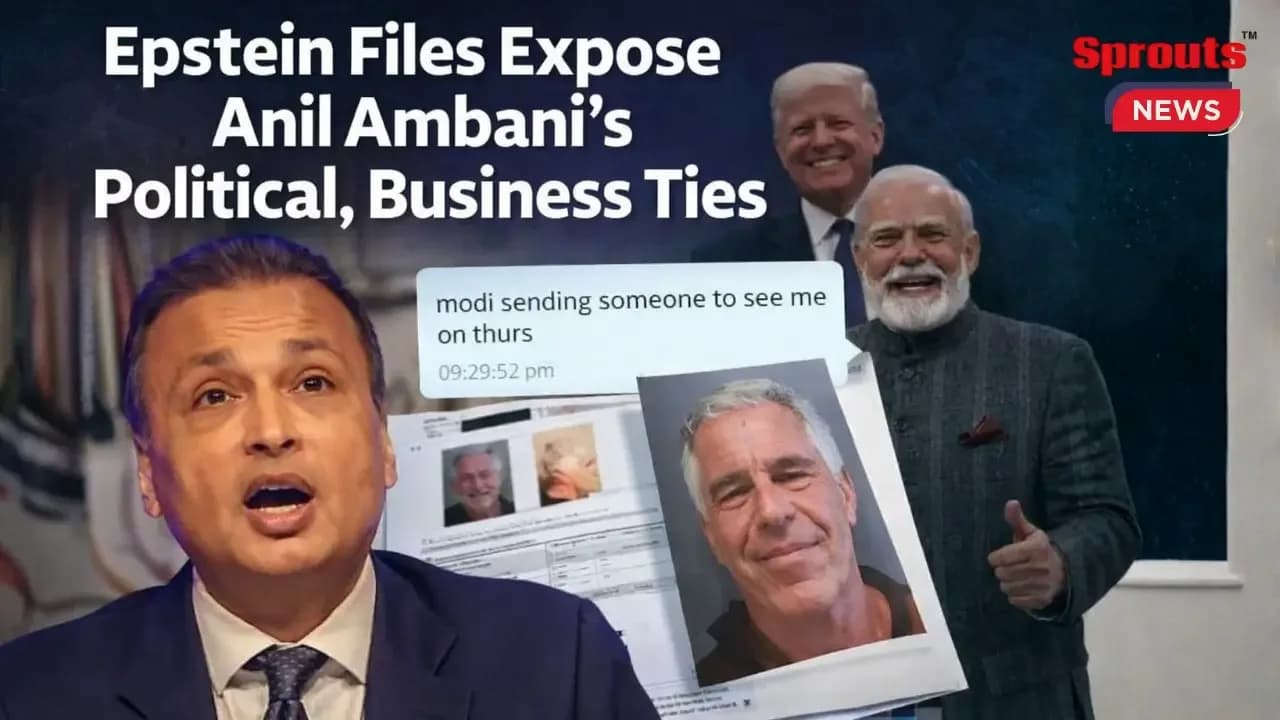
Recently disclosed Jeffrey Epstein files in the United States have revealed fresh details about the relationship between the late financier and Reliance Group chairman Anil Ambani. The documents indicate sustained communication between Epstein and Ambani from 2017 to 2019.
The records suggest Ambani projected himself as a possible informal intermediary for the Modi government, although there is no evidence confirming he held any official authority. The correspondence also shows Epstein engaging with multiple actors to promote cooperation between Indian and American interests.
Jeffrey Epstein, a New York based financial advisor and socialite, was also a convicted sex offender accused of trafficking minors for powerful global figures. He died by suicide in a New York jail in August 2019. Following congressional pressure, millions of documents seized by the FBI were released by the US Department of Justice under the Epstein Files Transparency Act.
The larger pattern: influence without accountability
This story is less about proving wrongdoing and more about exposing how global elites operate in grey zones. Informal advisors, personal fixers, and well connected intermediaries thrive in spaces where ambition, urgency, and geopolitical competition overlap.
The Epstein Ambani communications highlight three recurring risks:
- Influence peddling based on perceived access rather than official mandate
- Blurring of private business interests with national strategic narratives
- Lack of transparency around who speaks for whom on the global stage
Even when no laws are broken, these dynamics can distort decision making and public trust.
What happens next
From a journalistic and policy standpoint, these disclosures are unlikely to trigger immediate legal consequences unless corroborated by independent evidence. However, they do strengthen the case for clearer boundaries between private lobbying and state diplomacy.
For India, the episode reinforces the importance of institutional clarity in defence and foreign policy engagements. For the United States, it adds to a growing body of evidence showing how informal power brokers exploited access during a volatile political era.
Most importantly, for the public, the Epstein files serve as a reminder that global influence often operates in shadows. Understanding those shadows is essential not for scandal, but for accountability.
The real question is not whether Epstein exaggerated or whether Ambani overreached. It is whether modern democracies have done enough to ensure that national interests are shaped by transparent institutions, not private backchannels that thrive on ambiguity.