
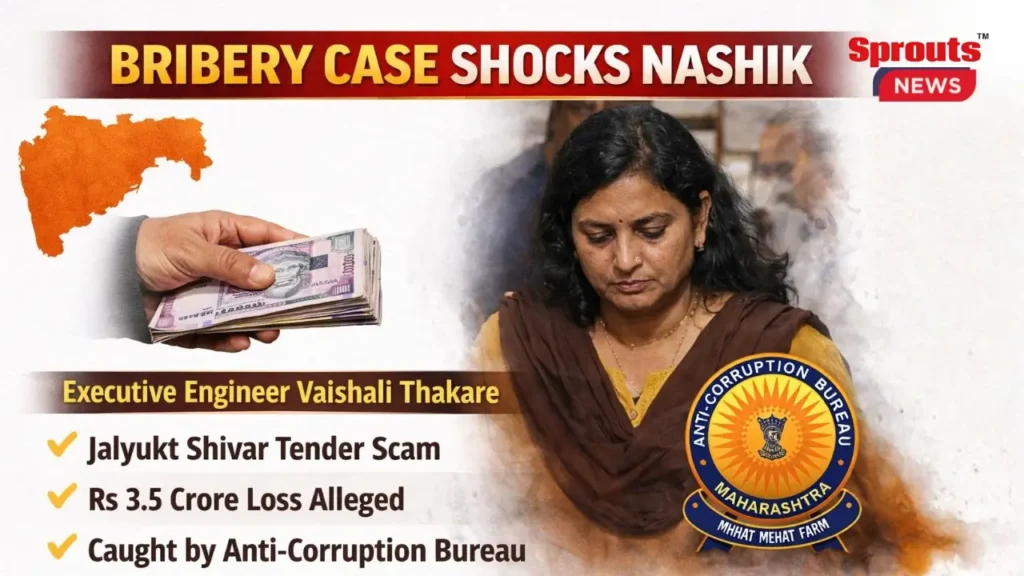
The Jalyukt Shivar Tender Scam in Nashik has come under scrutiny following allegations of irregularities in the 2025–26 tender process and an estimated ₹3.5 crore loss to public funds. The Anti-Corruption Bureau (ACB) conducted a trap operation in which Executive Engineer Vaishali Thakare was allegedly caught accepting a bribe. Investigations indicate possible manipulation in contractor selection and procedural lapses in approvals. The case has raised broader concerns about transparency, accountability, and oversight within Zilla Parishad-led rural development projects in Maharashtra.
- Jalyukt Shivar Tender Scam Nashik: Executive Engineer Vaishali Thakare Caught in ACB Bribery Case, Crores Loss Alleged
- Nashik Zilla Parishad Tender Irregularities and Rs 3.5 Crore Loss
- Role of Officials and Escalation to Anti Corruption Bureau Action
- Contractor Allegations, Tender Manipulation and Systemic Concerns
- Governance, Accountability and Public Trust in Rural Development Schemes
- Key Individuals and Entities Involved in the Nashik Tender Scam Case
- Why This Case Matters for Maharashtra Governance and Anti-Corruption Efforts
Jalyukt Shivar Tender Scam Nashik: Executive Engineer Vaishali Thakare Caught in ACB Bribery Case, Crores Loss Alleged
The Nashik Jalyukt Shivar tender scam exposes alleged irregularities causing Rs 3.5 crore loss, with Executive Engineer Vaishali Thakare caught by ACB for bribery, raising serious concerns over governance, accountability, and transparency in Maharashtra’s rural development projects.
The Jalyukt Shivar tender scam in Nashik has exposed serious irregularities in public works, after Executive Engineer Vaishali Thakare was caught red-handed by ACB officials while allegedly accepting a bribe.
The case centres around alleged manipulation in the 2025–26 tender process involving 58 works under the Jalyukt Shivar scheme, leading to an estimated government loss of Rs 3.5 crore.
The incident has raised critical questions about administrative accountability within the Zilla Parishad, especially after earlier complaints by contractors reportedly failed to trigger timely disciplinary action.
Nashik Zilla Parishad Tender Irregularities and Rs 3.5 Crore Loss
According to official findings, the tender process for projects worth nearly Rs 16 crore was marked by large-scale irregularities, including arbitrary qualification and disqualification of contractors.
Sources indicate that decisions were allegedly taken unilaterally without referring files to the tender committee, violating standard procurement protocols and bypassing institutional checks designed to ensure fairness.
Financial scrutiny later revealed that these irregularities caused significant losses to public funds, forcing authorities to cancel the entire tender process and order fresh bidding procedures.
Despite the scale of the issue, action initially appeared limited, with only a tender clerk facing consequences, while no immediate disciplinary steps were taken against the executive engineer.
This lack of action raised concerns among contractors and observers, who questioned whether systemic lapses were being overlooked despite clear indicators of procedural violations.

Role of Officials and Escalation to Anti Corruption Bureau Action
The matter has drawn attention to the role of Zilla Parishad Chief Executive Officer Omkar Pawar, under whose administrative oversight the irregularities were identified, and retendering was ordered.
However, contractors expressed dissatisfaction over the absence of direct action against Executive Engineer Vaishali Thakare, despite repeated complaints regarding alleged demand for excessive payments.
Reports suggest that contractors faced delays in file approvals and were allegedly required to remain physically present in offices for routine signatures, contributing to growing frustration within the system.
The situation escalated when a contractor approached the Anti-Corruption Bureau, leading to a trap operation in which Vaishali Thakare was allegedly caught accepting Rs 50,000 as a bribe.
During the operation, a senior assistant accounts officer present at the scene was also detained, indicating possible involvement of multiple individuals within the administrative framework.
Contractor Allegations, Tender Manipulation and Systemic Concerns
Contractors have alleged that tender conditions were manipulated to favour specific bidders, with eligibility criteria reportedly altered in ways that lacked transparency and consistency.
There were also claims that payment delays persisted even after funds were allocated through official systems, adding to grievances regarding operational inefficiencies and administrative pressure.
In several instances, contractors reportedly complained to higher authorities about irregular practices, yet no substantial action was taken, which may have emboldened further deviations from procedure.
The alleged pattern of demanding money for clearing files or awarding contracts has raised serious concerns about integrity within local governance structures managing development projects.

Observers argue that such practices, if unchecked, undermine the objectives of schemes like Jalyukt Shivar, which are designed to address water conservation and rural infrastructure needs.
Governance, Accountability and Public Trust in Rural Development Schemes
The Jalyukt Shivar scheme is a flagship initiative aimed at water conservation and drought mitigation in Maharashtra, making transparency in its implementation critical for public trust.
Irregularities in tender processes not only lead to financial losses but also compromise the quality and effectiveness of infrastructure projects intended to benefit rural communities.
Experts highlight that bypassing tender committees and manipulating contractor eligibility can result in substandard work, ultimately affecting long term sustainability of water conservation efforts.
The incident also reflects broader governance challenges, where complaints remain unaddressed until escalated through enforcement agencies such as the Anti-Corruption Bureau.
According to the Sprouts News Special Investigation Team, the case underscores the need for stronger oversight, real-time audit mechanisms, and stricter accountability in public procurement systems.
Key Individuals and Entities Involved in the Nashik Tender Scam Case
The case prominently involves Executive Engineer Vaishali Thakare, who has been posted as Water Conservation Officer in Nashik Zilla Parishad since 2024.
Zilla Parishad Chief Executive Officer Omkar Pawar played a key administrative role in reviewing the tender process and ordering cancellation after financial irregularities were identified.
An unnamed contractor from Trimbakeshwar taluka initiated the complaint leading to the ACB trap, marking a turning point in exposing alleged bribery practices within the department.

A senior assistant accounts officer present during the incident was also detained by ACB officials, indicating possible administrative linkage in the bribery transaction.
The case has now become a significant example of how contractor-driven complaints and investigative action can bring attention to systemic corruption in public infrastructure projects.
Why This Case Matters for Maharashtra Governance and Anti-Corruption Efforts
The Nashik tender scam highlights deeper issues within public procurement systems, particularly in rural development schemes involving significant financial allocations and multiple administrative layers.
Failure to act on early complaints can allow irregularities to escalate, resulting in financial loss, erosion of public trust, and delays in critical infrastructure development.
The case also demonstrates the importance of independent investigative agencies like the Anti-Corruption Bureau in enforcing accountability when internal administrative mechanisms fall short.
As investigations proceed, the outcome will be closely watched for signals on whether systemic reforms will follow or if the issue remains limited to individual accountability.
The coming months will be crucial in determining whether stronger safeguards are introduced to prevent similar irregularities in future government schemes across Maharashtra.
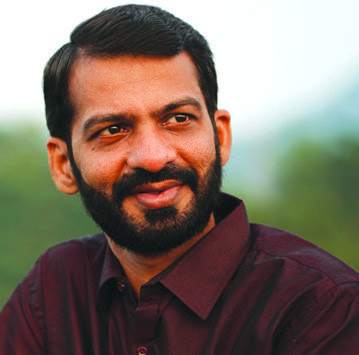
“Senior journalist Unmesh Gujarathi, based in Mumbai, has consistently been at the forefront of exposing major corruption cases, highlighting governance failures, and bringing critical public interest issues to light through relentless investigative reporting and accountability-driven journalism.”
Editorial Note:
This article is based on publicly available FIR records, court case references, and reports published by multiple media organisations. The information is presented in the context of ongoing investigations and public interest reporting. Sprouts News does not make any judicial determination regarding the individuals mentioned and does not intend to defame any person or organisation. Any individual seeking clarification or wishing to provide an official response may contact the editorial team with verifiable documentation. The information is presented for journalistic and informational purposes.