The Matheran tourism development debate has gained fresh attention after hotelier and social activist Umesh Jethalal Dubal urged the Maharashtra government to unlock the hill station’s full tourism potential. Known as India’s only automobile free hill station, Matheran offers a unique ecological environment and scenic beauty in the Western Ghats. Dubal believes the destination could attract large numbers of domestic and international tourists if proper infrastructure, cultural events and eco tourism activities are introduced. Tourism experts say strategic planning and global promotion could revive visitor interest and strengthen the local economy dependent on hospitality and travel services.
Matheran Tourism Development: Hotelier Umesh Jethalal Dubal Urges Government Action to Unlock Hill Station’s Global Potential
If the Maharashtra government undertakes a comprehensive makeover and resolves major challenges, Matheran has the potential to become one of the finest tourism destinations not only in India but across the world, said Umesh Jethalal Dubal.
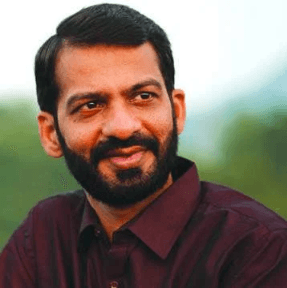
Matheran tourism development has once again come into focus after hotelier and social activist Umesh Jethalal Dubal, Vice President of the Matheran Hotel Association, highlighted the hill station’s untapped global tourism potential.
In an interaction with Sprouts News Editor in Chief Unmesh Gujarathi, Dubal described Matheran as one of the most unique hill stations not only in India but also globally due to its ecological richness.
Dubal believes that despite its extraordinary natural beauty, Matheran has remained underdeveloped for decades due to political neglect and a lack of long term tourism planning.
He described the hill station as a hidden treasure whose economic and tourism value has never been fully realised by policymakers responsible for developing Maharashtra’s tourism sector.
According to Dubal, Matheran possesses the natural charm, climate and heritage needed to attract large numbers of domestic and international tourists if proper tourism initiatives are introduced.
Located in the Western Ghats, Matheran stands around 2,625 feet above sea level and remains India’s only automobile free hill station.
The absence of vehicles gives the town a rare ecological advantage, offering visitors fresh air, forest walks and an environment free from urban noise and pollution.
Dubal argues that this distinctive feature alone could make Matheran one of the most attractive eco tourism destinations in India if marketed strategically.
However, he emphasised that tourism growth has stagnated over the years due to a lack of innovative events, recreational activities and global promotion.
Cultural Tourism Revival and Adventure Activities Could Boost Matheran Footfall
Dubal pointed out that during the British colonial era Matheran hosted several social and cultural gatherings that attracted visitors from Bombay and nearby regions.
Historical accounts suggest that live bands, evening entertainment events and seasonal gatherings were common in the hill station during the nineteenth century.
These activities created a vibrant cultural atmosphere that encouraged visitors to stay longer and return frequently for leisure and relaxation.
According to Dubal, many of these tourism traditions gradually disappeared after independence, reducing the variety of entertainment experiences available to tourists.
He believes that reviving structured cultural programmes could significantly increase visitor engagement and encourage repeat tourism.
Dubal suggested that the Maharashtra government and tourism authorities should introduce curated activities such as live music events and seasonal cultural festivals.
Adventure tourism could also be developed carefully within environmental guidelines to ensure that the fragile ecosystem of Matheran remains protected.
Activities such as guided forest treks, horse trails, eco cycling routes and controlled night riding experiences could enhance the tourism experience for visitors.
Dubal also proposed that boating facilities and organised entertainment programmes could provide additional attractions for families and younger travellers visiting the hill station.
Tourism experts frequently highlight that experiential tourism plays an important role in modern travel trends, particularly among urban visitors seeking unique outdoor experiences.
Strategic planning of such tourism initiatives could benefit local businesses including hotels, restaurants and small traders who depend heavily on seasonal visitor arrivals.
Birdwatching Tourism and Western Ghats Biodiversity Opportunities
Apart from cultural tourism, Dubal strongly advocated the development of birdwatching tourism by establishing a designated bird sanctuary in the region.
Matheran lies within the Western Ghats, a globally recognised biodiversity hotspot and UNESCO World Heritage region known for its exceptional ecological diversity.
The forests around Matheran support a remarkable variety of bird species, making the region a popular destination among birdwatchers and wildlife photographers.
Among the most commonly sighted birds are the Indian Paradise Flycatcher, Malabar Whistling Thrush and Nilgiri Wood Pigeon, species that attract ornithologists and researchers.
Winter migration further increases bird diversity in the region, bringing several species of warblers and rare forest birds to the hill station.
Nocturnal birds such as the Brown Wood Owl and Jungle Nightjar are also frequently reported by wildlife observers exploring the forest trails.
Dubal believes a government supported bird sanctuary would help promote conservation while creating new eco tourism opportunities for international birding communities.
Wildlife tourism specialists note that birdwatching tourism has become one of the fastest growing segments of global nature tourism.
If developed responsibly, birdwatching infrastructure such as guided trails, interpretation centres and observation points could transform Matheran into a major eco tourism destination.
Such initiatives could also generate employment opportunities for local youth trained as wildlife guides and conservation educators.
Also Read: Court Rejects Bail in Thane Ponzi Scam worth ₹500 Crore.
Colonial Heritage, Toy Train and Ecological Legacy of Matheran
The modern history of Matheran dates back to the year 1850 when British officer Hugh Poyntz Malet discovered the hill station.
The British administration later developed the region as a summer retreat where colonial officials could escape the intense heat of the plains.
Several colonial era bungalows and traditional architecture still exist today, preserving the historic character of the hill station.
One of the most iconic attractions is the Matheran Hill Railway, a heritage toy train recognised by UNESCO.
The narrow gauge railway continues to attract tourists interested in heritage travel experiences and scenic mountain journeys.
Beyond tourism infrastructure, the forests surrounding Matheran support a diverse ecosystem including evergreen vegetation and medicinal plant species.
Wildlife sightings occasionally include animals such as barking deer, giant squirrels and even leopards inhabiting the dense forest landscape.
Environmental researchers consider Matheran an important ecological corridor within the Western Ghats biodiversity network.
Gujarat Bhavan Hotel and the Dubal Family’s Hospitality Legacy
Umesh Jethalal Dubal is also the owner of Gujarat Bhavan Hotel, one of the established hospitality properties located near major tourist points in Matheran.
The hotel was originally built in 1975 by Late Jethalal Damodar Dubal and Nalini Jethalal Dubal, who envisioned a comfortable retreat for visitors.
Over the decades the property has maintained its reputation as a peaceful accommodation option surrounded by greenery and natural landscapes.
The hotel is located close to key tourist attractions such as Echo Point and Khandala Point and is within walking distance of the Matheran railway station.
Its central location also allows visitors easy access to the main market and several scenic walking trails within the hill station.
Dubal says hospitality operators in Matheran remain committed to sustainable tourism and environmental responsibility.
However, he believes stronger policy support and tourism promotion are necessary to unlock the hill station’s full economic and ecological potential.
For local stakeholders, the future of Matheran tourism development will depend on balancing conservation with innovative tourism planning that benefits both visitors and the community.
Exploring Tourism from a Different Perspective
Unmesh Gujarathi, a writer and senior journalist based in Mumbai, frequently travels across India and abroad to explore tourism from unique and lesser discussed perspectives. His work highlights cultural, environmental and policy aspects of destinations. Readers can share tourism related insights, experiences or concerns with him on 9322755098.