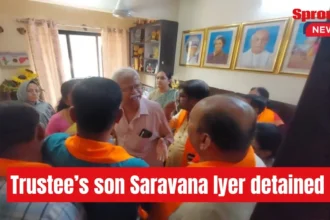

MLA’s Nephew Arrested in ₹1.5 Crore Bogus Paddy Procurement Scam in Shahapur
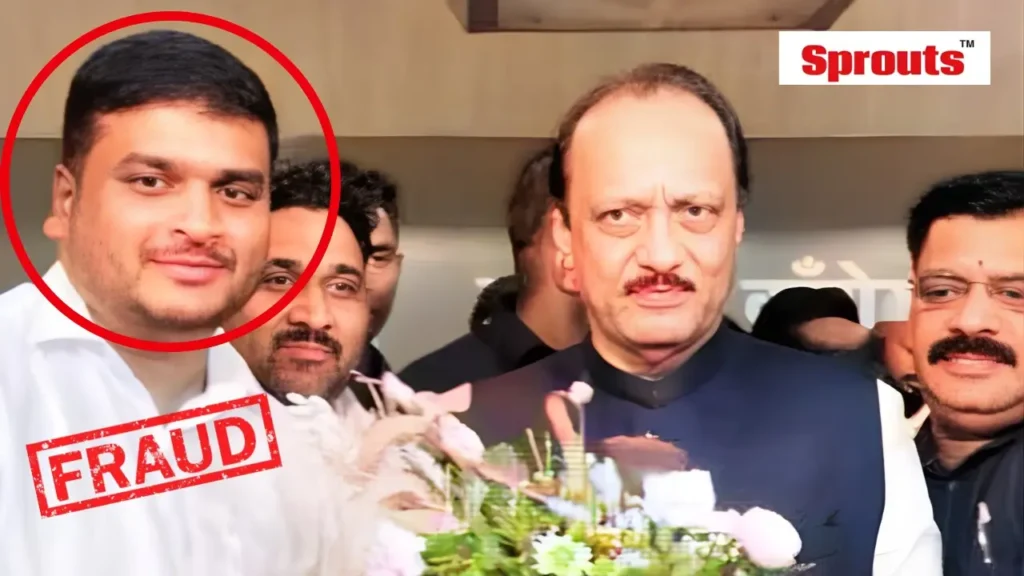
Police have arrested Harish Daroda, nephew of NCP (Ajit Pawar group) MLA Daulat Daroda, in a ₹1.5 crore paddy procurement scam in Shahapur. He allegedly created bogus receipts to defraud the Tribal Development Corporation, nearly two years after the initial FIR was filed. The case involves fake challans, forged purchase receipts, and a major stock discrepancy at the Sakadbhav procurement centre.
Harish Daroda, nephew of Nationalist Congress Party (Ajit Pawar group) MLA Daulat Daroda, has been arrested by the Thane Rural Police. This arrest comes two years after the initial First Information Report (FIR) was filed in December 2023 for a ₹1.5 crore paddy procurement scam.
The accused allegedly created bogus challans and purchase receipts to defraud the Tribal Development Corporation. The arrest has sent shockwaves through the political circles of Shahapur taluka.
Unraveling the ₹1.5 Crore Scam in Shahapur
The case revolves around the Sakadbhav paddy procurement centre in Shahapur, which operates under the state’s Tribal Development Corporation. Investigations have revealed a significant discrepancy in the stock.
Authorities found that of the 13,892 quintals of paddy officially procured, only 8,771 quintals were accounted for. The remaining 5,120 quintals, valued at approximately ₹1.5 crore, simply vanished.
The fraud was executed by preparing fake and bogus payment challans in the names of farmers. These fraudulent documents were then used to siphon off government funds meant for legitimate crop purchases.

Alongside Harish Daroda, five other individuals have been named in the FIR. This includes the then-Regional Manager of the corporation, a former Deputy Regional Manager, and a former Marketing Supervisor.
A Deep-Rooted Racket and a Delayed Arrest
The arrest of Harish Daroda raises critical questions about procedural delays and political influence. An FIR was registered against him and others at the Kinhavali police station in December 2023.
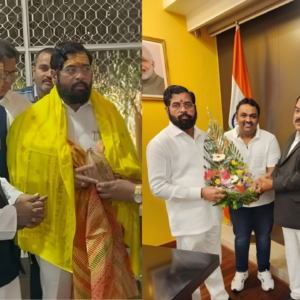
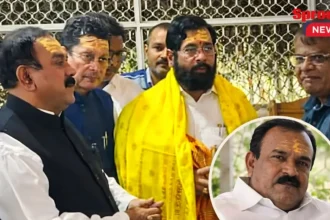
Despite this, his arrest occurred nearly two years later. During this period, Harish Daroda formally joined the Ajit Pawar faction of the NCP in a widely publicized event.
His entry into the political group so soon after being named in a major fraud case has sparked controversy. It has led to speculation about whether political connections contributed to the delay in police action.
The Thane Rural Economic Offences Wing is now leading the expanded investigation. Senior Police Inspector Sunil Bachhav confirmed the arrest and stated that further inquiries are ongoing.

Also Read: RTI Exposes BJP Donations for Govt Schemes Without Approval.
A Pattern of Corruption in Tribal Development Schemes
The Sakadbhav centre scam is not an isolated incident but part of a disturbing pattern. Over the last two to three years, paddy procurement scams totalling an estimated ₹16 crore have been uncovered in the Shahapur region.
Just months earlier, in a separate but similar case, a contract centre head named Hemant Shinde was arrested. He was accused of creating fake receipts to cheat hundreds of farmers and the corporation of approximately ₹1.56 crore.
These recurring frauds point to systemic vulnerabilities within the procurement system for tribal welfare schemes. They exploit a crucial government initiative designed to provide a minimum support price to farmers.
The method—using bogus challans and shell entities—mirrors larger, pan-India fraud patterns. For instance, the CGST commissionerate in Pune recently busted a racket involving fake companies and invoices causing a ₹20 crore loss.

Political Repercussions and the Road Ahead
The arrest has intensified political friction in Shahapur. Harish Daroda is not just an accused individual but the nephew of the sitting MLA from the region, Daulat Daroda.
This direct link to a prominent political figure ensures the case will remain in the public and political spotlight. The opposition is likely to use this incident to question the governance and integrity of the ruling alliance.
For the police and investigating agencies, the pressure is now to conduct a thorough and impartial probe. A key focus will be tracing the flow of the misappropriated funds and identifying all beneficiaries of the scam.
The broader challenge is to reform the procurement system to prevent such fraud. This may require digital tracking of grain stocks, biometric verification of farmers, and stricter audits of cooperative societies involved in the process.
The Shahapur paddy scam underscores a harsh reality where welfare schemes meant for the poor become targets for corruption. The arrest is a first step, but delivering justice requires sustained investigative and political will.