
The Mumbai BMC transfer controversy has returned to the spotlight after a letter allegedly issued by Mayor Ritu Tawde asked civic officials to implement previously suspended transfer orders of engineers. The move has triggered political debate because the transfers had earlier been halted by Chief Minister Devendra Fadnavis in October 2025 following allegations of a “cash for posting” racket inside the municipal administration. The Brihanmumbai Municipal Corporation oversees major infrastructure projects worth thousands of crores, making engineering postings highly sensitive. The resurfacing of the letter has raised questions about administrative coordination, political oversight and transparency in civic appointments.
- Mumbai BMC Transfer Row: Mayor Ritu Tawde’s Letter Sparks Political Storm Over Suspended Engineering Transfers
- Cash for Transfer Allegations Behind BMC Engineering Postings
- Mayor’s February Letter Raises Questions Over Governance Coordination
- Mayor Withdraws Letter Amid Political Backlash
- Why the BMC Transfer Controversy Matters for Mumbai Governance
Mumbai BMC Transfer Row: Mayor Ritu Tawde’s Letter Sparks Political Storm Over Suspended Engineering Transfers
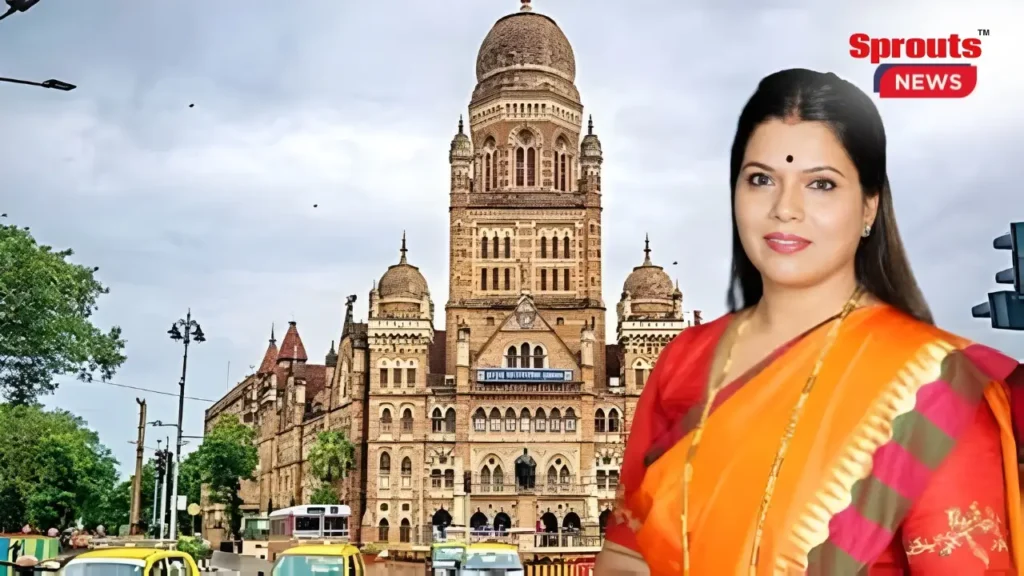
A controversy erupted in Mumbai after Mayor Ritu Tawde’s letter allegedly directed implementation of suspended BMC engineer transfers. The move raised political questions, as Chief Minister Devendra Fadnavis had earlier halted the transfers following allegations of a major “cash for posting” racket.
The Mumbai BMC transfer controversy has resurfaced after a letter allegedly issued by Mayor Ritu Tawde directed officials to implement previously suspended transfer orders of civic engineers. The development has triggered sharp political reactions.
The controversy centres around the transfer of assistant engineers and deputy engineers within the Brihanmumbai Municipal Corporation (BMC), one of India’s richest civic bodies, responsible for managing infrastructure projects worth thousands of crores.
According to documents that surfaced recently, Mayor Ritu Tawde had written to Additional Municipal Commissioner Avinash Dhakne on February 26, 2026, asking for action to implement transfer orders for engineering officials.
However, these transfers had already been stayed in October 2025 by Maharashtra Chief Minister Devendra Fadnavis after multiple complaints alleging a “cash for transfer” racket inside the municipal administration.
The resurfacing of the mayor’s letter has reignited debate over administrative accountability, political coordination within the BJP, and allegations of corruption in BMC postings.
Cash for Transfer Allegations Behind BMC Engineering Postings
The transfer dispute first erupted in 2025 after allegations surfaced that engineer postings within the Mumbai civic body were being sold for money.
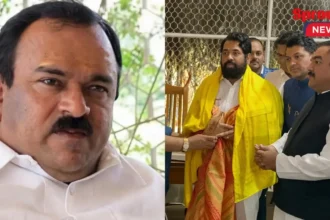
Mumbai BJP president and MLA Amit Satam had earlier alleged that officials were required to pay anywhere between ₹5 lakh and ₹40 lakh to secure favourable postings.
According to Satam’s claims, so called “cream postings” within the BMC engineering department, particularly those linked to infrastructure contracts and major development works, reportedly commanded the highest rates.
The allegations triggered serious concern within the state government, as BMC engineering divisions handle critical public works such as road construction, drainage projects, and building permissions.
After several complaints from party leaders and senior municipal officials, the issue reached the Maharashtra Chief Minister’s office.
Chief Minister Devendra Fadnavis subsequently ordered a halt to the transfers in October 2025, directing the municipal administration to review the entire process.
Following this intervention, Municipal Commissioner Bhushan Gagrani officially suspended the transfer orders, effectively freezing the controversial postings.
The controversy also led to an abrupt administrative reshuffle. IAS officer Dr Amit Saini, a 2007 batch officer serving as Additional Commissioner, was suddenly transferred, signalling the seriousness of the allegations.
Also Read: ₹31 Crore Investor Fraud Probe in Jogeshwari Project.
Mayor’s February Letter Raises Questions Over Governance Coordination
The situation escalated again when the February 26 letter from Mayor Ritu Tawde surfaced publicly, suggesting that the suspended transfers should be implemented.
Political observers believe the directive appeared to override the earlier decision taken by Chief Minister Fadnavis, raising questions about internal coordination within the ruling party.
Critics argued that such instructions from the mayor’s office could potentially undermine the authority of the state government’s earlier intervention.
The issue quickly turned political, with opposition leaders accusing the BJP of internal conflict within its Mumbai leadership.
Former Mumbai mayor and opposition leader Kishori Pednekar questioned the authenticity of the mayor’s initial denial, asking whether the signature on the letter belonged to Tawde.

Pednekar also raised broader political questions, asking whether the mayor was unwilling to accept the Chief Minister’s intervention in BMC administrative decisions.
The controversy exposed what analysts described as visible coordination gaps within the Mumbai BJP leadership, especially on a sensitive governance issue involving corruption allegations.
Mayor Withdraws Letter Amid Political Backlash
As criticism intensified from within the administration, party leaders, and the opposition, the mayor’s office later clarified that the letter had already been withdrawn.
According to officials, the mayor’s office was informed by the civic administration that the transfers were under an existing suspension order, prompting the withdrawal of the directive.
The clarification, however, failed to completely calm the political storm.
Opposition leaders argued that once such a letter had been issued, the damage to administrative credibility had already been done.
One opposition leader remarked using a popular Hindi phrase: “Bund se gayi, woh haud se nahi aati,” implying that reputational damage cannot easily be reversed.
Why the BMC Transfer Controversy Matters for Mumbai Governance
The BMC engineering transfer row highlights deeper concerns about governance inside India’s wealthiest municipal corporation.
Engineering departments play a critical role in awarding infrastructure contracts, supervising development projects, and managing billions of rupees in civic spending.
Because of this influence, transfer postings within these departments have historically been viewed as politically sensitive and vulnerable to corruption allegations.
Experts say the controversy also exposes the complex power dynamics between elected representatives and the municipal bureaucracy.
While the mayor is a political head of the civic body, administrative decisions ultimately fall under the authority of the Municipal Commissioner and the state government.
The incident therefore raises questions about institutional checks, administrative transparency, and political coordination within governing parties.
For Mumbai residents, the stakes are even higher.
If allegations surrounding transfer postings are not addressed transparently, governance experts warn it could affect the efficiency of infrastructure projects, public works oversight, and accountability within the civic administration.
A preliminary review by the Sprouts News Special Investigation Team (SIT) indicates that the episode may become a broader test of administrative transparency in the BMC.
With municipal governance already under scrutiny ahead of upcoming civic political developments, the handling of this transfer controversy could shape public trust in the system.
For now, the controversy remains politically sensitive, with many observers expecting further administrative review or political clarification in the coming weeks.
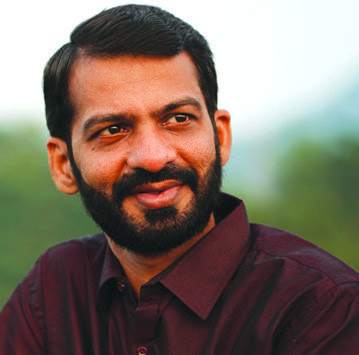
Unmesh Gujarathi has exposed the alleged scheme. If you have any information related to corruption, scams, or fraudulent activities within public institutions, you can confidentially contact the Sprouts News investigation team at 9322755098 and help support further investigation.