The Siddhivinayak Temple Model: How an ₹800 Crore Corpus Fuels Divine Service and Social Welfare
Senior journalist Unmesh Gujarathi's exclusive interview with temple treasurer Acharya Pawan Tripathi reveals the governance behind Siddhivinayak Temple's ₹800 crore corpus. They discuss its professional management and how devotee offerings fund massive healthcare and education initiatives.
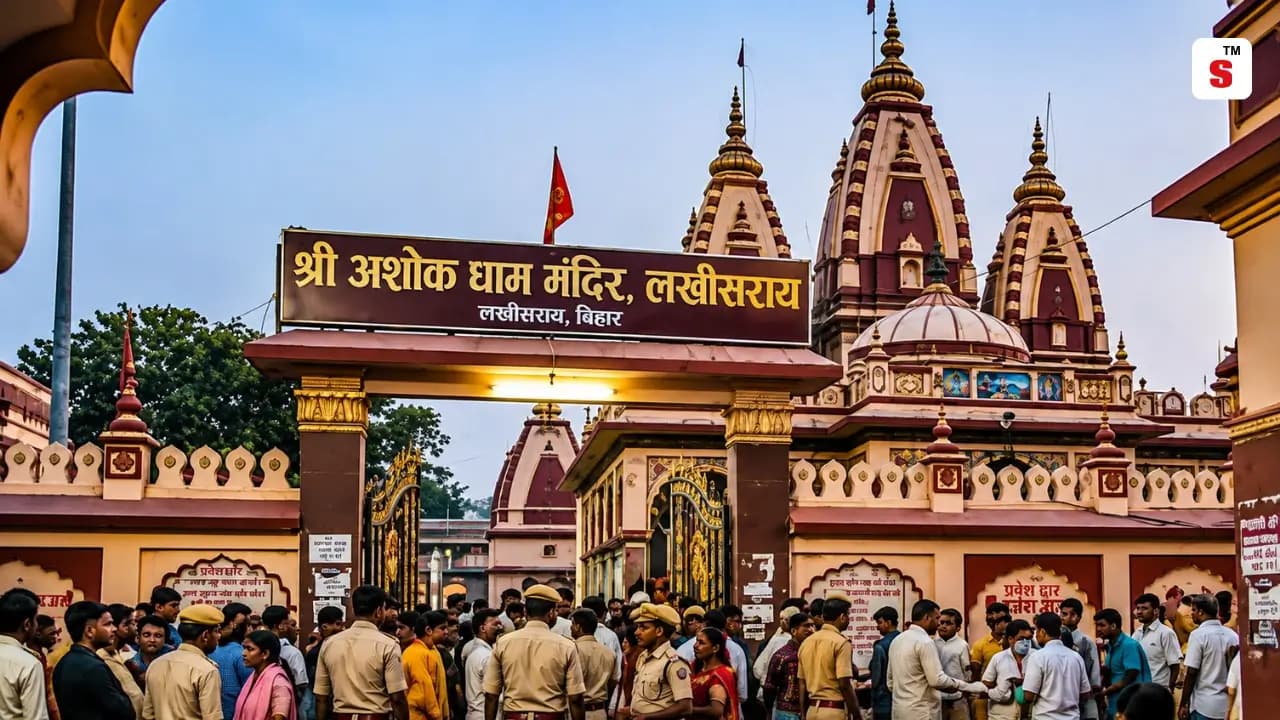
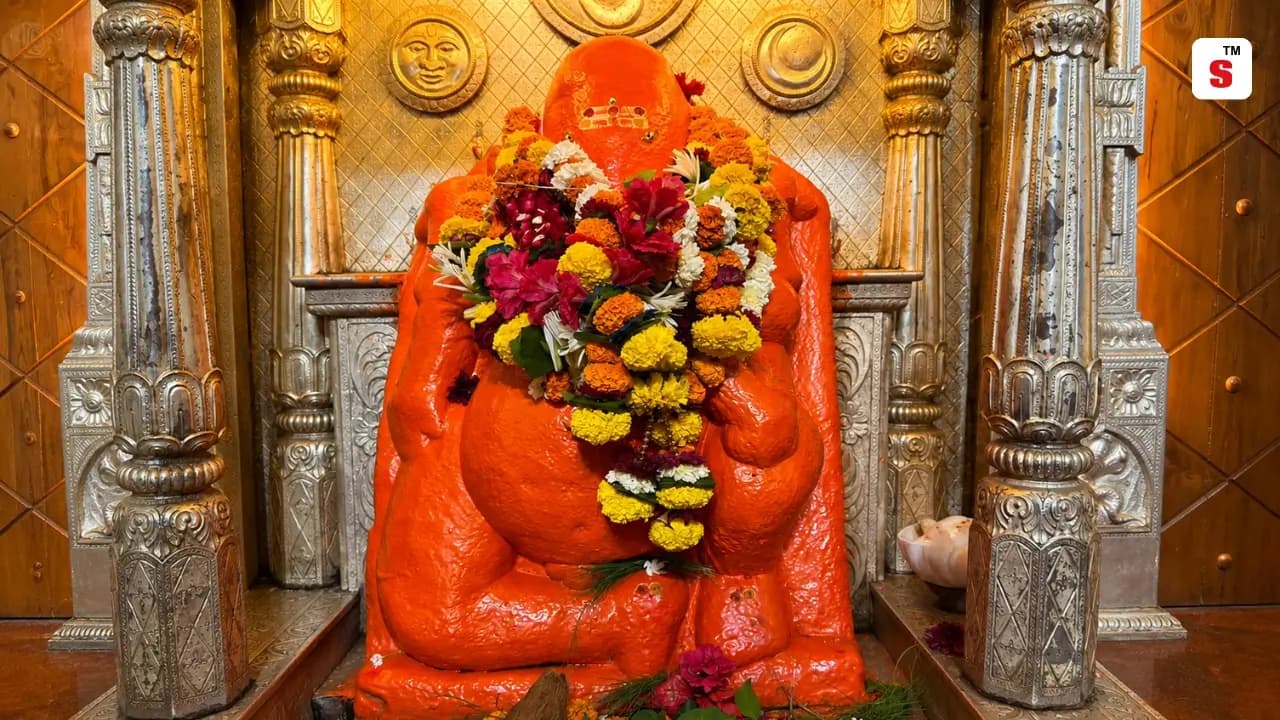
A stark contrast in temple management has emerged across India. Recent controversy at Mathura’s Banke Bihari Temple, where rituals were disrupted, highlights administrative failures. Conversely, Mumbai’s Shree Siddhivinayak Ganapati Temple presents a powerful counter-narrative. With an ₹800 crore corpus and systematic social spending, it sets a benchmark. This Sprouts News investigation explores its governance model, where devotion translates directly into public welfare.
The temple’s treasurer, Acharya Pawan Tripathi, affirms no ritual delay ever occurs. A dedicated department manages daily bhog with military precision. This ensures timeless traditions continue uninterrupted for millions of devotees.
A Framework of Governance: The Legal and Administrative Backbone
The temple operates under a specific 1980 Act of the Maharashtra legislature. This Siddhivinayak Ganapati Temple Trust Act provides a structured governance framework. A government-appointed board, including a chairman and treasurer, serves five-year terms. Day-to-day operations are handled by a civil service Executive Officer.
This system separates strategic oversight from administrative execution. Current trust chairman is MLA Sadaṇand Saravankar. Executive Officer Veena Patil handles daily management. This blend of political representation and bureaucratic expertise ensures stability. It creates accountability for both ritual integrity and financial decisions.
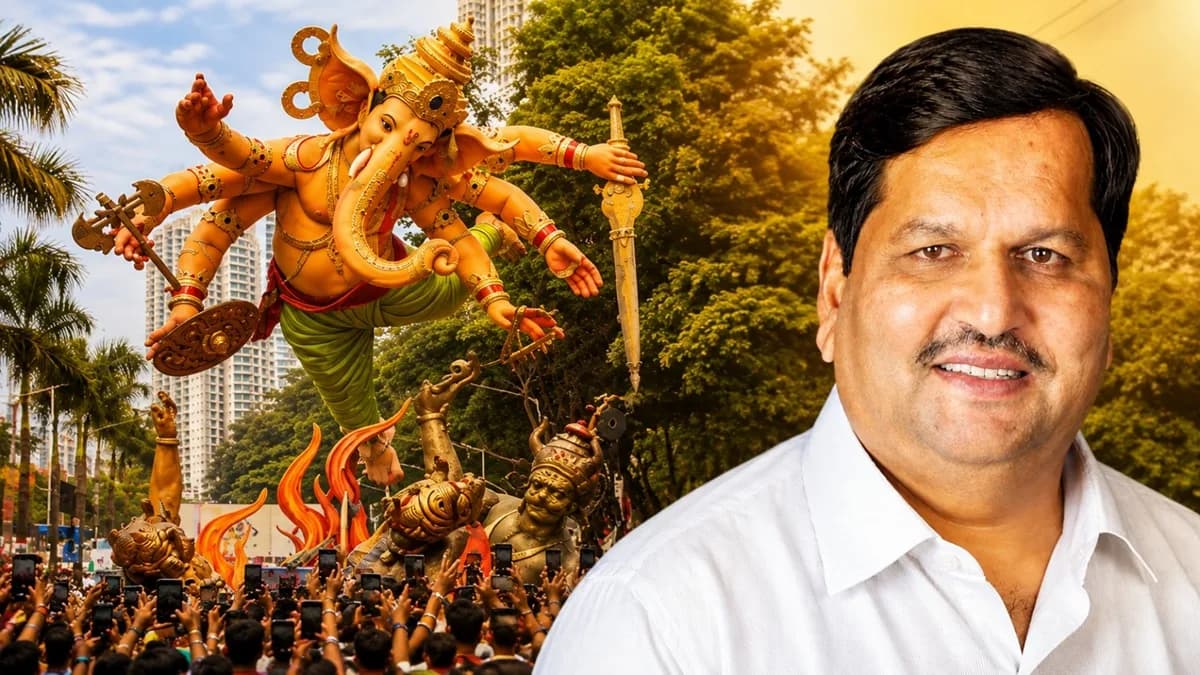
[caption id="attachment_17274" align="aligncenter" width="447"]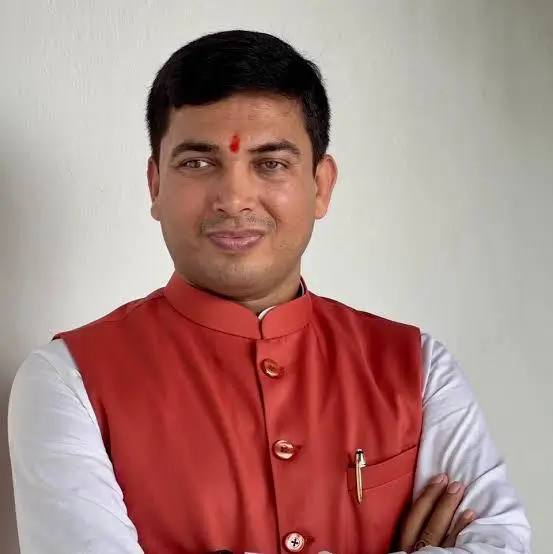 In Frame: Siddhivinayak temple treasurer Acharya Pawan Tripathi[/caption]
Financial Transparency: From Devotee Offerings to Social Investment
The temple’s financial scale is monumental. Its total corpus, including fixed deposits and gold, stands near ₹800 crore. Annual income for 2024-25 was ₹134.5 crore, a 16% yearly increase. Projections for the next fiscal year reach ₹154 crore. Revenue flows from donations, laddu sales, and jewellery auctions.
A recent auction for Marathi New Year raised ₹1.33 crore. Of the annual income, approximately 65 crore is reinvested into temple operations. This covers salaries for 320 employees and daily ritualistic expenses. A significant ₹20-22 crore is allocated exclusively for social welfare projects.
Operational Scale: Managing a Mini-City of Devotion
Running the temple resembles managing a small corporation. The largest operational cost is its workforce, consuming ₹30-32 crore annually. The temple’s kitchen is a hub of immense activity. It produces 10,000 pure ghee laddus daily for free distribution.
Total daily laddu consumption, including sales, reaches 35,000-40,000. Numbers swell on Tuesdays and festivals. A notable “Plastic-Free Siddhivinayak” initiative replaced all plastic packaging. Laddus are now distributed in eco-friendly paper bags, aligning spirituality with sustainability.
The Social Mandate: Healthcare, Education and Disaster Relief
The trust’s social spending is vast and systematic. Its most significant healthcare project supports 102 dialysis centres across Maharashtra. The trust has allocated ₹10 crore for machines and RO plants. It also runs two dedicated dialysis centres in Mumbai with 20 beds.
Direct medical aid is offered at a temple counter. Need-based assistance up to ₹25,000 is provided within days. For critical child healthcare, this limit is waived. This aid is given without discrimination of caste or religion, embodying true seva.
Also Read: How Epstein Files Expose Prince Andrew’s Royal Access.
Empowering Futures: From Study Halls to Book Banks
Recognising urban challenges, the temple built a multi-purpose facility. A dedicated study hall on its third floor offers 100 students a serene space. Aspirants preparing for IIT, IIM, and other exams utilise it daily. The temple also provides these students with free afternoon meals.
Furthermore, a “Book Bank” scheme aids students from Class 11 to graduation. Over 25,000 students across 70 Mumbai institutions have benefited. This initiative alleviates the financial burden of expensive academic textbooks.
Aiding in Crisis: Temple Funds as a Community Resource
The temple actively contributes during state calamities. Recently, it donated ₹10 crore to the Chief Minister's Relief Fund for flood-affected farmers. It previously donated another ₹10 crore for village social transformation projects.
During the 2014 “Jalyukt Shivar” water conservation scheme, it contributed ₹2 crore per district. This establishes the temple not just as a religious centre, but as a pivotal community institution. It leverages devotee offerings for tangible public good during emergencies.
Philosophy and Future: The Temple as a Social Centre
Treasurer Pawan Tripathi encapsulates the guiding philosophy. He states, “For us, temples are God’s home but also social centres.” The message is that offerings should fuel charitable work. This transparency builds greater public trust and encourages more devotees.
The faith that funds are used wisely itself drives increased donations. Future plans include expanding dialysis services to all eight Ashtavinayak temples. The Siddhivinayak model demonstrates how ancient institutions can adopt modern, transparent governance. It ensures spiritual and social duties are fulfilled harmoniously.
Reported by the Sprouts News Special Investigation Team, based on an exhaustive interview with Temple Treasurer Acharya Pawan Tripathi and official trust documents.