

The transgender empowerment initiative in Kalyan-Dombivli has highlighted the importance of inclusion, dignity, and equal access to healthcare for third gender citizens. A civic-led health camp benefited over 160 individuals through medical screening, awareness programmes, and welfare services. Deputy Commissioner Kanchan Gaikwad emphasised that the transgender community represents strength and resilience, calling for greater societal recognition and policy support. Officials and healthcare providers stressed the need for sustained engagement to address barriers in medical access and promote long-term well-being. The initiative reflects a broader push towards inclusive governance and social equity.
- Transgender empowerment in Kalyan-Dombivli: ‘Dignity, strength and equality define the eunuch community,’ says Kanchan Gaikwad
- Kanchan Gaikwad highlights the dignity and strength of the eunuch community
- Healthcare access and awareness led by medical officials
- Meenakshi Ujjainkar stresses empowerment through support systems
- Community participation reflects identity and resilience
- Welfare measures extend beyond healthcare services
- Broader impact and future outlook for transgender inclusion
Transgender empowerment in Kalyan-Dombivli: ‘Dignity, strength and equality define the eunuch community,’ says Kanchan Gaikwad
The Kalyan-Dombivli transgender health camp highlighted dignity and resilience, with leaders like Kanchan Gaikwad emphasising that the eunuch community embodies strength, equality, and social contribution, inspiring inclusive development through healthcare, awareness, and empowerment initiatives.
Over 160 third gender citizens benefited from a free health camp, as civic leaders highlighted resilience, dignity and inclusion of the transgender or eunuch community in mainstream society.
The transgender health camp in Kalyan-Dombivli reflected a message of empowerment, with Deputy Commissioner Kanchan Gaikwad emphasising that eunuch or third gender citizens represent strength, dignity, and social resilience.
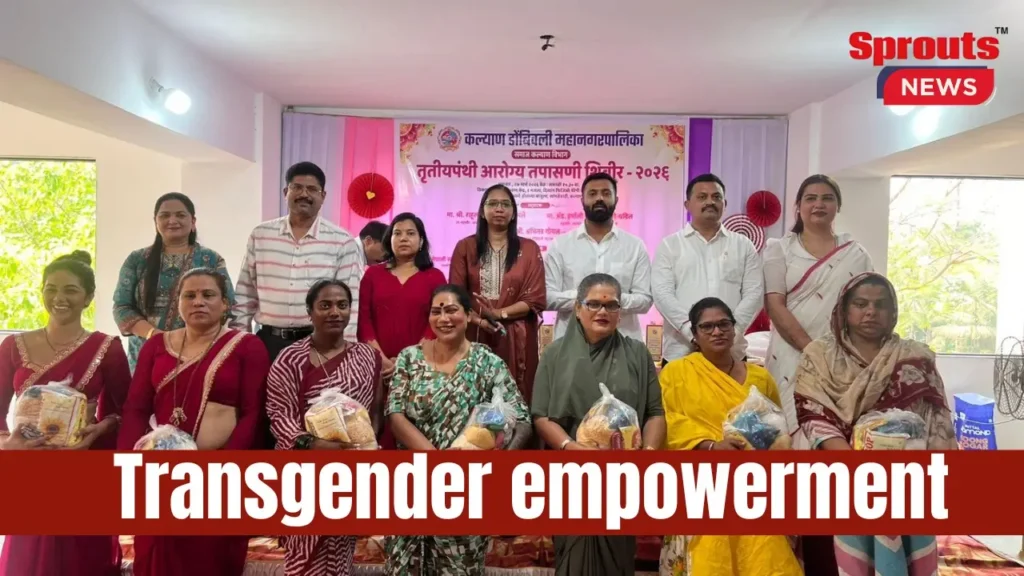
Organised by the Social Welfare Department of Kalyan Dombivli Municipal Corporation, the initiative provided free healthcare and welfare services, reinforcing inclusion and equal access for transgender citizens across the region.
More than 160 third gender individuals underwent medical screening, including tuberculosis, HIV, haemoglobin, and X-ray tests conducted by the municipal medical health department during the one-day outreach programme.
Kanchan Gaikwad highlights the dignity and strength of the eunuch community
Deputy Commissioner Kanchan Gaikwad stated that transgender or eunuch individuals have historically demonstrated courage and perseverance, adding that society must recognise their identity with respect and equality.

She emphasised that inclusive governance is essential, noting that empowering the third gender community through healthcare, welfare schemes, and recognition can transform lives and build a more equitable society.
Education Committee members Pratik Penkar and Jatin Prajapati, along with Social Development Officer Prashant Gawankar, were present, supporting the initiative as part of broader civic inclusion efforts.
Healthcare access and awareness led by medical officials
City Tuberculosis Officer Dr Pournima Dhake highlighted that accessible healthcare services are critical for transgender citizens, stressing early detection, awareness, and continuous engagement as key to long-term wellbeing.
Dr Dhake noted that the eunuch community often faces barriers in accessing medical care, and such targeted initiatives help reduce stigma while promoting preventive healthcare practices across vulnerable populations.
ASHA workers facilitated Ayushman Card and ABHA Card registrations, ensuring beneficiaries gain sustained access to healthcare schemes and institutional support beyond the immediate medical camp services.
Meenakshi Ujjainkar stresses empowerment through support systems
Women’s Welfare Foundation Director Meenakshi Ujjainkar led counselling sessions, stating that emotional well-being, self-respect, and societal acceptance are crucial pillars in empowering transgender individuals.

Ujjainkar added that eunuch communities contribute significantly to cultural and social diversity, and inclusive programmes can help unlock opportunities for education, employment, and community participation.
Fortis Hospital supported the initiative by conducting blood sugar and other diagnostic tests, strengthening the outreach through collaboration between civic authorities and private healthcare institutions.
Also Read: Bombay HC Dismisses “Gas Theft” Plea Against Reliance.
Community participation reflects identity and resilience
Kinnar Asmita member Simran Kene and other representatives from the kinnar or eunuch community actively participated, highlighting the importance of recognition, dignity, and equal opportunities in public life.
Participants noted that such initiatives provide not only healthcare but also validation and visibility, reinforcing their identity as equal citizens within society and encouraging broader social acceptance.
Municipal officials and staff also attended the programme, ensuring coordinated implementation and demonstrating administrative commitment towards inclusive welfare measures for transgender citizens.

Welfare measures extend beyond healthcare services
In addition to medical screenings, the municipal corporation distributed free food grains to transgender citizens, addressing immediate socio-economic needs and supporting the overall well-being of the community.
Officials indicated that such initiatives form part of a wider strategy aimed at integrating transgender citizens into mainstream development while addressing long-standing gaps in healthcare and welfare access.
Broader impact and future outlook for transgender inclusion
Experts suggest that sustained programmes like these can improve health outcomes, reduce discrimination, and strengthen community participation when supported by consistent policy implementation and awareness campaigns.
As highlighted by Sprouts News, such initiatives underline the importance of recognising the strength, resilience, and contributions of eunuch communities within India’s evolving social framework.
Looking ahead, civic authorities plan to expand similar outreach programmes, reinforcing the message that dignity, equality, and opportunity must remain central to policies impacting transgender citizens across regions.