

India’s Political Reservation for Women: The Untold Story of Grassroots Warriors Who Built the Movement
India’s women’s reservation did not begin in Parliament. It was forged in villages where fearless, often illiterate women seized power long before the 1992 constitutional amendments. Grassroots leaders like Indira Tai Patil challenged patriarchy, won local institutions, and created irreversible political pressure. This investigation uncovers the forgotten architects of women’s political empowerment—proving that reservation followed women’s courage, not the other way around.
- India’s Political Reservation for Women: The Untold Story of Grassroots Warriors Who Built the Movement
- The Groundswell Before the Law: Women Who Seized Power Pre-1992
- Indira Tai Patil: The Pioneering Force from Vitner
- The Silent Backbone of Farmer Agitations
- Securing Land Rights: The Fight for the 7/12 Extract
- Why National Urban Women Leaders Overlooked This Struggle
- Did Political Elites Prefer a Limited Empowerment Model?
- 1992 Reservation: A Right Earned, Not Bestowed
- The Imperative for Corrective Historiography Today
- A Legacy That Demands Recognition
The 73rd and 74th Constitutional Amendments in 1992 were a landmark. They mandated 33% reservation for women in local governance. This is widely celebrated as the cornerstone of Indian women’s political empowerment. Yet, a critical chapter precedes this legal victory. The true architects were often illiterate, rural women whose relentless struggle made reservation inevitable. Their names are missing from mainstream history. This investigation uncovers their hidden legacy.
The Groundswell Before the Law: Women Who Seized Power Pre-1992
Long before national policy, a quiet revolution brewed in Maharashtra’s villages. Women were already capturing power in cooperative societies and gram panchayats. This was not a right granted by petition. It was a position earned through fearless leadership and organised struggle. These pioneers operated without blueprints, challenging deep-seated patriarchy directly. Their movement was organic, powerful, and historically overlooked. It created the indispensable pressure for systemic change.
Indira Tai Patil: The Pioneering Force from Vitner
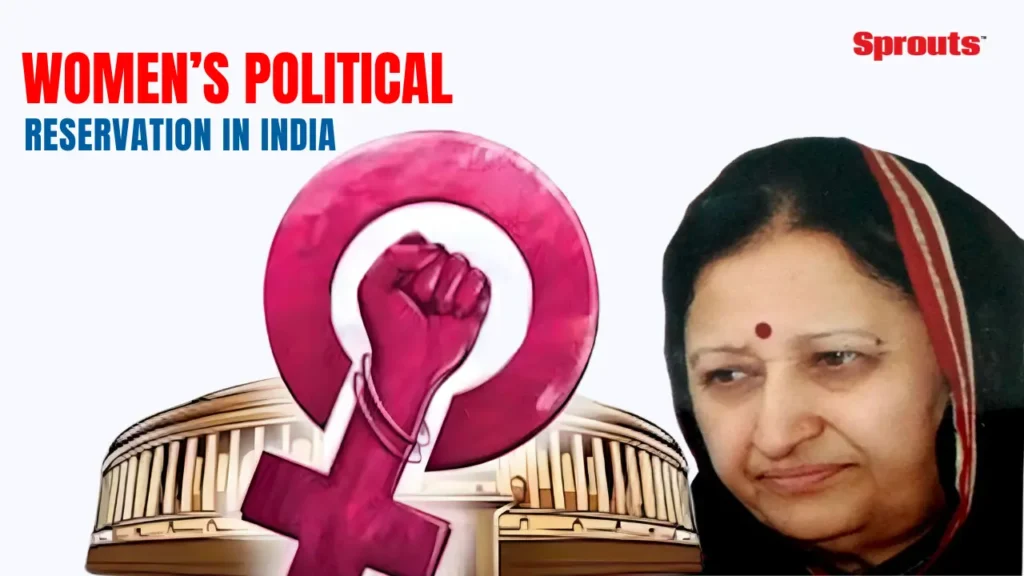
The embodiment of this grassroots leadership was Indira Tai Bhanudas Patil from Vitner in Jalgaon district. She was not just a local leader but a generational influence. Patil strategically carved spaces for women in local institutions. She shattered male monopolies over decision-making processes. Furthermore, she guided women’s collectives towards self-reliance. Her work placed women at the forefront of village development. Recognising her extraordinary contribution, former Prime Minister V.P. Singh honoured her personally.

The Silent Backbone of Farmer Agitations
Patil also worked shoulder-to-shoulder with Shetkari Sanghatana leader Sharad Joshi. This farmers’ movement is often perceived as male-dominated. In reality, women like Patil were its backbone. They led protests, participated in crucial farm debates, and shaped the economic discourse. Her leadership provided a courageous template for rural women. It demonstrated that political agency could be claimed outside formal structures. This on-ground mobilisation was crucial for broader empowerment.
Securing Land Rights: The Fight for the 7/12 Extract
A tangible outcome of this mobilisation was the change in land ownership norms. The campaign to include women’s names on the 7/12 land revenue extract was revolutionary. For centuries, land was considered a male right. Demanding joint ownership challenged the core of rural patriarchy. Indira Tai Patil actively guided women in this crucial economic battle. This fight was about dignity, economic security, and altering social mindset. It laid the foundation for demanding political space.
Why National Urban Women Leaders Overlooked This Struggle
India had formidable national women leaders like Indira Gandhi and Sarojini Naidu. Their contributions to the nation are immense. Yet, their political agenda rarely included rural women’s political reservation. Their focus remained largely national and urban. The specific issues of grassroots women’s political agency did not reach their priority list. Empowerment was often framed for educated, urban women. This created a significant gap in the feminist narrative of the time.

Also Read: MahaRERA Recovers Only 33% of ₹792 Cr Homebuyer Dues.
Did Political Elites Prefer a Limited Empowerment Model?
A pointed question arises from this historical oversight. Did the power centres of that era unconsciously limit empowerment? Was there an unspoken preference for a manageable, urban female leadership? The struggle and leadership of rural women remained invisible to mainstream politics. This omission represents a major flaw in our historical recording. It allowed a singular narrative of top-down reform to dominate. The truth is far more democratic and rooted in people’s power.
1992 Reservation: A Right Earned, Not Bestowed
The historical record requires correction. The 1992 reservation was not a benevolent gift from Delhi. It was a right forged through relentless grassroots struggle. The foundation was laid by thousands of unknown women. Leaders like Indira Tai Patil in Vitner showed the way. Women in savings groups, cooperatives, and land-rights movements built the pressure. They proved women could govern, lead, and transform communities. The law ultimately ratified a reality they created.

The Imperative for Corrective Historiography Today
The urgent task now is historical rectification. The women who fought on the frontlines must be centred in India’s democratic story. Researchers, writers, and local historians must collaborate. Their oral histories and achievements need preservation and celebration. Integrating this truth enriches our understanding of democracy. It honours the correct architects of change.
A Legacy That Demands Recognition
The courage of these grassroots warriors redefined political possibility. Their battle was fought in village squares and panchayat offices, not parliament. Recognising them is not just about justice. It is about accurately documenting the engine of Indian democracy. The true story of women’s reservation is written in the sweat of these invisible leaders. It is time their names were inscribed in golden letters. This special investigation is presented by the Sprouts News Special Investigation Team (SIT).