Mumbai Police are examining suspected mule bank accounts and possible Dubai-linked transfers in a cyber fraud investigation involving transactions estimated at over ₹500 crore. Separately, the Enforcement Directorate is probing alleged money laundering through online betting networks. Activist Santosh Gholap has submitted a complaint seeking scrutiny of 17 bank accounts, 46 individuals and alleged connections involving Samundar Singh Rathod, Mukesh Jain and Ram U. Ramdhani. The claims remain unproven, and the complaint does not establish wrongdoing by those named.
₹500-Crore Cyber Fraud Probe Widens: Mumbai Police Examine Dubai Links, ED Betting Network and Fresh Complaint
Complaint by activist Santosh Gholap names Samundar Singh Rathod, Mukesh Jain and Ram U. Ramdhani as investigators examine suspected mule accounts, shell companies and financial transactions.
The ₹500-crore cyber fraud investigation has expanded, with Mumbai Police examining suspected mule bank accounts alongside the Enforcement Directorate’s money-laundering probe into online betting networks.
The parallel investigations concern suspected financial transactions involving All Panel Exchange (APX), MGM91 and intermediaries allegedly used to move funds through multiple accounts and entities.
A fresh complaint submitted by activist Santosh Gholap to eight central agencies seeks scrutiny of alleged financial connections involving Samundar Singh Rathod, Mukesh Jain and Ram U. Ramdhani.
The allegations remain subject to investigation, and the complaint itself does not establish criminal wrongdoing by the individuals named or confirm their involvement in unlawful transactions.
Mumbai Police Investigate Mule Accounts and Dubai Connections
Mumbai Police are examining accounts allegedly used to transfer proceeds from online gaming, betting and cyber fraud, including the identities of account operators and ultimate beneficiaries.
Investigators are also assessing potential overlaps between accounts identified during the ED investigation and financial records gathered through separate cybercrime cases handled by Mumbai Police.
Earlier, the Mumbai Crime Branch arrested 12 suspected syndicate members operating from a villa in Calangute, Goa, during an investigation into alleged international cyber fraud.
Police suspected that more than ₹500 crore in transactions had been routed through mule accounts, with portions of the suspected proceeds transferred towards handlers abroad.
The Goa operation highlighted how bank accounts, SIM cards and digital payment infrastructure could allegedly be coordinated across cities to facilitate complex financial transfers.
Santosh Gholap Complaint Names Rathod, Jain and Ramdhani
The complaint filed by activist Santosh Gholap seeks examination of 17 bank accounts and 46 individuals allegedly connected to suspicious financial activities and betting-related transactions.
It also claims information concerning approximately 20,442 casino players and alleges that mule accounts operated through small offices in Mumbai, Pune, Goa, Delhi and Bengaluru.
According to the complaint, several bank accounts and Unified Payments Interface (UPI) identifiers were allegedly used to facilitate transactions and channel funds through different entities.
The complaint calls for financial scrutiny of Samundar Singh Rathod and Mukesh Jain, alongside Ram U. Ramdhani, whose arrest in the ED investigation was previously reported.
No independent finding establishing wrongdoing by Rathod or Jain was identified in the material reviewed, and their responses to the allegations were not available.
Also Read: Cristiano Ronaldo Announces Portugal Retirement After 146 Goals and 234 Appearances
ED Uncovers More Than 200 Alleged Shell Companies
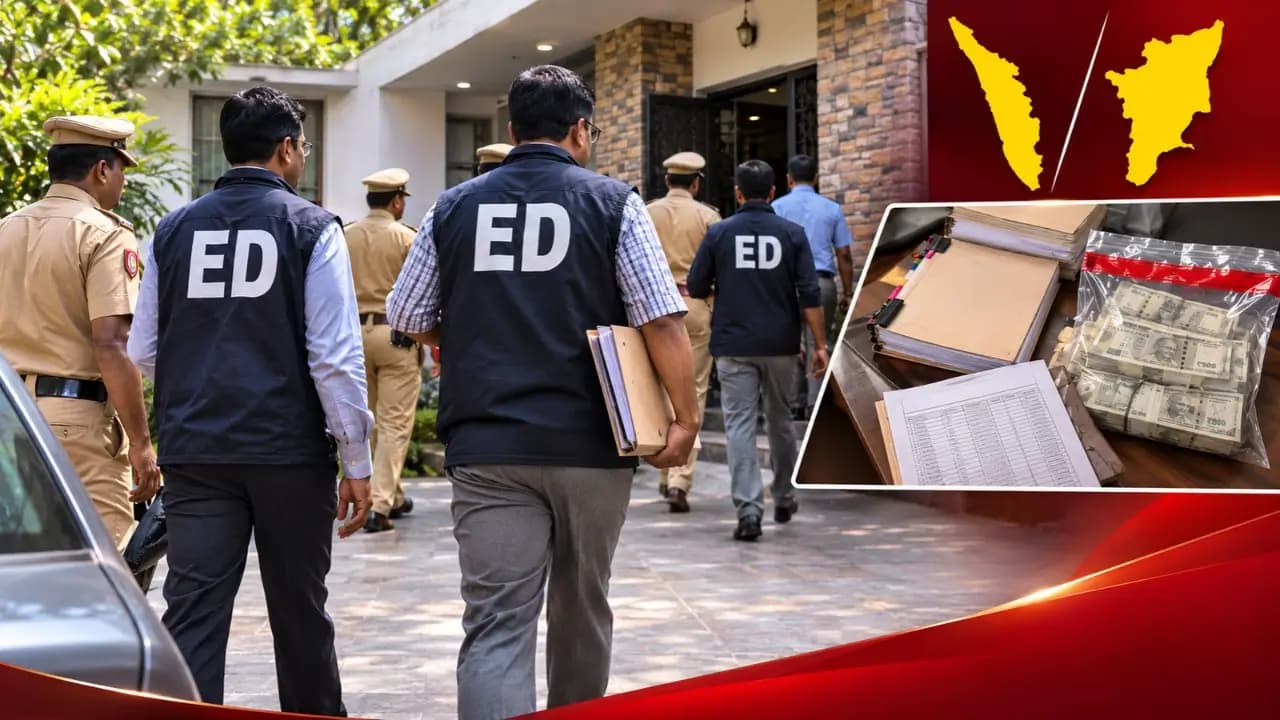
The Enforcement Directorate conducted searches at 20 premises across Mumbai, Pune, Mehsana, Surat and Hyderabad on October 13, 2026, under the Prevention of Money Laundering Act.
According to the ED, its investigation identified transactions involving Pune-based Edsom Fintech Private Limited, established by Ram U. Ramdhani, and its payment intermediary platform, iPaisa.
The agency alleged that more than 200 shell and front entities were onboarded through the platform to process payments associated with betting and cyber fraud.
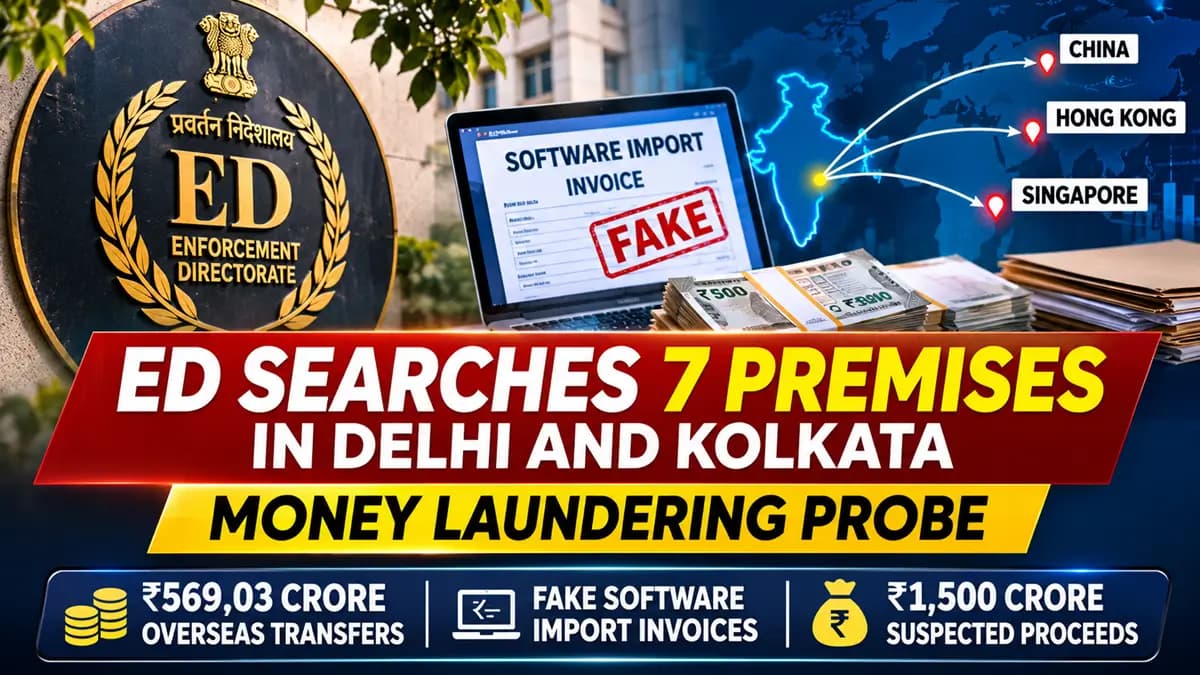
Investigators identified suspected routes involving disguised trade remittances, cash withdrawals and cryptocurrency transfers, while examining alleged directions from Dubai-based operators and associated financial intermediaries.
The ED also reported freezing multiple bank accounts and seizing documents, electronic devices and financial records considered relevant to tracing suspected proceeds of crime.
What Happens Next in the Betting and Cyber Fraud Investigation?
Investigators are expected to examine account ownership, transaction patterns, financial intermediaries and possible overseas beneficiaries to determine whether evidence connects the various suspected networks.
The parallel investigations could establish whether the transactions represent overlapping operations or separate criminal networks, while any action against individuals named in complaints requires supporting evidence.
For Sprouts News, the central unresolved question is whether investigators can establish a documented financial trail connecting suspected betting proceeds, shell entities and overseas recipients.