
The Marathi Language policy debate has intensified in Maharashtra following a mandate requiring drivers to possess basic Marathi proficiency. While the government, led by Devendra Fadnavis, has assured inclusive implementation, the move has sparked discussion around migrant livelihoods and feasibility. In parallel, the USES Foundation has emerged as a grassroots response, offering free Marathi classes in Mumbai since 2025. The initiative reflects a voluntary, community-driven model aimed at integration rather than enforcement, highlighting an alternative pathway to bridging language gaps in a diverse urban environment.
- Marathi Language Policy Debate: USES Foundation’s Free Classes in Mumbai Highlight Grassroots Response
- Migration realities and language policy intersect in Mumbai
- The USES Foundation initiative offers a voluntary Marathi learning model
- Weekly classes at Marol Naka attract diverse learners
- Broader activities reflect a multi-dimensional social focus
- Founder’s background and organisational ethos
- Policy implications and community-led alternatives
- Looking ahead: balancing policy enforcement and inclusivity
Marathi Language Policy Debate: USES Foundation’s Free Classes in Mumbai Highlight Grassroots Response
Amid Maharashtra’s Marathi language mandate for drivers, a Mumbai-based voluntary initiative is gaining attention for offering free Marathi education to migrants without political backing or publicity.
The Marathi language policy debate has intensified after the Maharashtra government announced mandatory Marathi proficiency for public transport drivers, with grassroots efforts like USES Foundation emerging as parallel community-driven responses.
The policy, set to take effect from May 4, 2026, requires rickshaw and taxi drivers across Maharashtra to possess basic Marathi language skills, sparking discussions across Mumbai.
Chief Minister Devendra Fadnavis stated that the government would ensure Marathi language training is provided, adding that no injustice would be caused to drivers affected by the mandate.
Migration realities and language policy intersect in Mumbai
Mumbai, often described as India’s financial capital, has long depended on migrant workers, many of whom operate auto-rickshaws and taxis while building livelihoods over decades.
Observers note that language-based policies have historically intersected with regional identity debates, occasionally placing migrant communities at the centre of political and social discourse in Maharashtra.
While the government has emphasised inclusivity in implementation, the announcement has nevertheless triggered varied reactions among drivers, unions, and civil society groups regarding feasibility and transition timelines.
The USES Foundation initiative offers a voluntary Marathi learning model
Amid this backdrop, a voluntary organisation known as USES Foundation has been conducting free Marathi language classes in Andheri East, Mumbai, since March 2025.
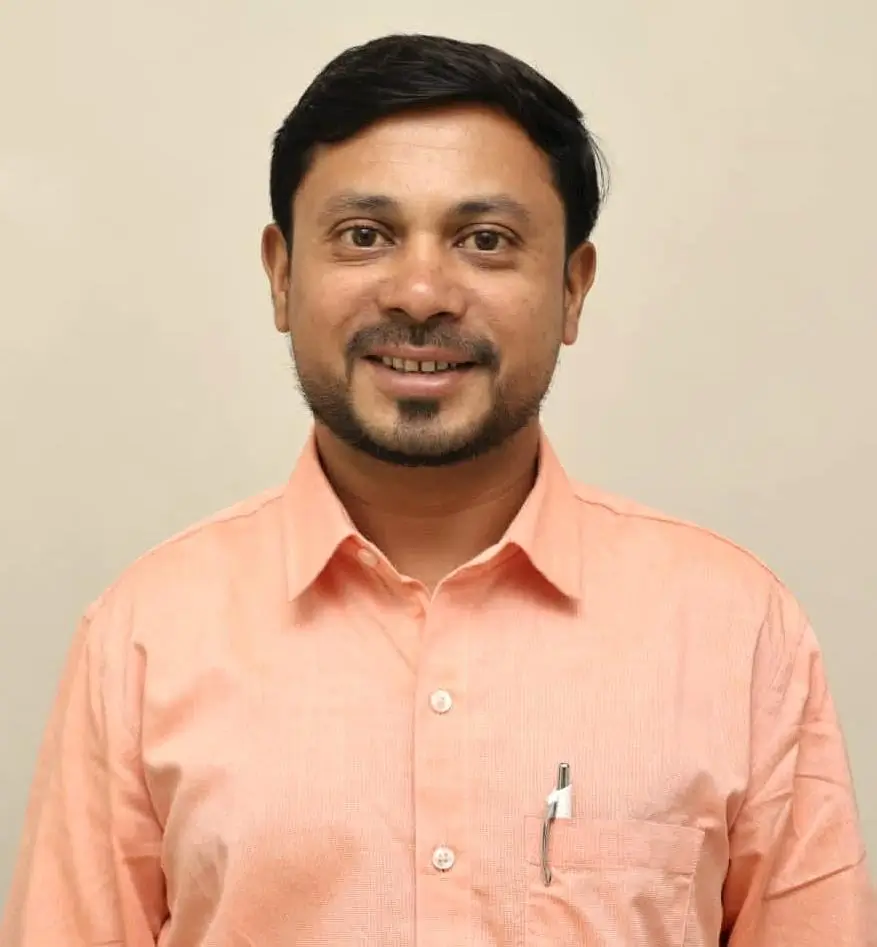
Founded by Nishant, the organisation operates without political affiliation or external funding support, focusing on language education as a means of social integration and community development.
According to Nishant, individuals living and working in Maharashtra should ideally learn the local language, and the foundation aims to facilitate this through accessible and voluntary participation.
Weekly classes at Marol Naka attract diverse learners
The Marathi classes are held every Saturday at the foundation’s office near Marol Naka, drawing participants from diverse migrant backgrounds seeking to improve their communication skills.
Teacher Pramod Tambe leads the sessions voluntarily, offering instruction without remuneration, and emphasising practical learning tailored to daily interactions faced by transport workers and service professionals.
Notably, the foundation encourages participation without enforcing attendance, reflecting a non-coercive approach aligned with its broader philosophy of voluntary community engagement.
Broader activities reflect a multi-dimensional social focus
Beyond language education, USES Foundation undertakes multiple initiatives, including singing classes, free driving training for women, and other skill-development programmes aimed at social empowerment.
The organisation defines its name as “Universal Sadhana for Eternal Seva,” positioning itself as an ecosystem-building initiative intended to create long-term support structures for underserved communities.
Its framework is based on four pillars—personal, professional, spiritual, and social—through which it seeks to address diverse developmental needs at both the individual and collective levels.
Also Read: Women’s Reservation in India: Why Delay Hurts Democracy.
Founder’s background and organisational ethos
Nishant, described as a spiritual practitioner, is not originally from Maharashtra, yet associates say his commitment to promoting the Marathi language reflects strong cultural integration values.
The Marathi language initiative, titled “Matri,” was conceptualised internally and reportedly received immediate support from team members, leading to its implementation without formal promotional campaigns.
Employees of the foundation are also encouraged to attend the classes, though participation remains optional, reinforcing the organisation’s emphasis on voluntary engagement rather than enforcement.
Policy implications and community-led alternatives
Experts suggest that while state-led mandates may standardise language requirements, community-driven initiatives like USES Foundation could play a complementary role in easing transitions for migrant populations.
Such efforts may also reduce resistance by providing accessible learning pathways, particularly for individuals balancing long working hours in sectors like public transport and informal services.
Looking ahead: balancing policy enforcement and inclusivity
As Maharashtra prepares to implement the Marathi language requirement, the effectiveness of the policy may depend on how training, enforcement, and public cooperation are balanced.
Grassroots models such as USES Foundation’s initiative indicate that voluntary participation and inclusive outreach could be critical in ensuring smoother adoption and minimising social friction.
For now, the evolving situation reflects a broader intersection of language, identity, and livelihood in one of India’s most diverse urban centres, with multiple stakeholders shaping the outcome.