


The upcoming election of the Thane District Central Co-operative Bank (TDCC) has become a focal point for discussions on governance, transparency, and financial accountability within Maharashtra’s co-operative sector. Stakeholders, including co-operative societies, farmers, and banking members, are calling for greater scrutiny of lending practices, non-performing assets, and institutional decision-making. Demands for independent audits and public disclosure of financial performance have intensified ahead of voting. Supporters of increased transparency argue that directors of district central co-operative banks serve as custodians of public deposits and should be held to the highest standards of accountability and governance.
- Thane District Central Co-operative Bank Election: Transparency, Governance and Financial Accountability Take Centre Stage
- Questions Raised Over Financial Management and Lending Practices
- Demand for Independent Audit and Public Disclosure Before Voting
- Political Influence and the Future of the Co-operative Sector
- A Defining Test for TDCC Members
Thane District Central Co-operative Bank Election: Transparency, Governance and Financial Accountability Take Centre Stage
The upcoming election of the Thane District Central Co-operative Bank (TDCC) has sparked debate across Maharashtra’s co-operative sector, with members demanding greater transparency, financial accountability and stronger governance standards.
The upcoming election of the Thane District Central Co-operative Bank (TDCC) is drawing significant attention from co-operative institutions, credit societies, service societies and farmers across Thane district, as discussions intensify over the bank’s future direction.
While elections to district central co-operative banks traditionally attract political and institutional interest, several stakeholders believe the current contest carries broader implications for financial discipline, transparency and public confidence in the co-operative banking system.
The election has also triggered debate among members regarding whether the focus should remain on strengthening the institution’s governance framework or on restoring individuals associated with previous administrations to positions of influence.
TDCC occupies a crucial position within the district’s co-operative ecosystem, serving as an important financial intermediary for rural credit networks, agricultural lending and co-operative societies operating across the region.
Questions Raised Over Financial Management and Lending Practices
Several co-operative activists and members have reportedly raised concerns regarding financial decisions taken during previous terms of certain former directors and office-bearers. However, these claims remain subject to verification and official scrutiny.
According to stakeholders, concerns have been expressed regarding transparency in loan disbursement, the management of non-performing assets, and the overall financial health of the institution during recent years.
Some members argue that decisions involving large-scale lending and the handling of overdue accounts should be subjected to greater public examination before the election process reaches its final stages.
Questions have also been raised regarding whether certain borrowers allegedly received preferential treatment and whether adequate safeguards were maintained while approving significant financial transactions.
Several members contend that directors of a district central co-operative bank are not merely elected representatives but custodians of deposits worth hundreds or thousands of crores of rupees.
As a result, demands have emerged for greater disclosure regarding the bank’s financial performance, risk management practices and institutional accountability mechanisms before voting takes place.
Demand for Independent Audit and Public Disclosure Before Voting
A growing section of members has reportedly called for an independent and comprehensive audit of the bank’s financial transactions over recent years to be placed in the public domain.
Among the issues being highlighted are the total amount of outstanding loans, the extent of non-performing assets (NPA), and the financial impact of accounts that have allegedly turned irrecoverable.
Some stakeholders have also sought greater clarity on which institutions received substantial loans and whether all lending decisions complied with applicable banking and co-operative regulations.
According to members advocating greater transparency, a detailed white paper outlining the bank’s financial position before polling could help ensure a more informed and credible electoral process.
These members argue that voters should have access to objective financial information, enabling them to assess candidates’ performance and accountability in seeking board positions.
Political Influence and the Future of the Co-operative Sector
The election is also being viewed through a broader political lens, with influential leaders and organised groups reportedly seeking to strengthen their presence within the bank’s governance structure.
Some senior co-operative experts have expressed concern that excessive political influence could overshadow the institution’s primary purpose of supporting farmers, rural communities and co-operative development.
Social activists have urged election authorities to consider greater disclosure regarding candidates’ financial backgrounds, pending inquiries, and the loan status of institutions linked to them.
Supporters of this approach argue that transparency regarding public records and financial interests could improve accountability and reinforce confidence in the electoral process.
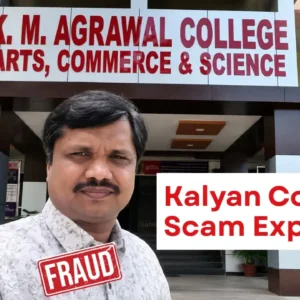
Also Read: K.M. Agrawal College Under Scanner Over Salary Scam.
A Defining Test for TDCC Members
The Thane District Central Co-operative Bank remains one of the district’s most important financial institutions, with its decisions directly affecting agricultural credit, rural development and the broader co-operative economy.
Observers note that the outcome of the election could influence not only the future governance of TDCC but also public confidence in the co-operative banking sector across the region.
As voting approaches, members face a significant choice regarding the type of leadership they wish to support and the standards they expect from those entrusted with managing public funds.
Whether members prioritise political considerations, institutional continuity, financial accountability or governance reforms is likely to shape the future trajectory of the Thane District Central Co-operative Bank for years to come. Sprouts News will continue monitoring developments related to the election and the issues raised by stakeholders.
Readers’ Appeal
If you have information, documents, or evidence related to this matter, contact Unmesh Gujarathi, Senior Investigative Journalist, and the Sprouts News Investigation Team at 9322755098. Your identity will be kept confidential.
Editorial Note:
This article is based on publicly available FIR records, court case references, and reports published by multiple media organisations. The information is presented in the context of ongoing investigations and public interest reporting. Sprouts News does not make any judicial determination regarding the individuals mentioned and does not intend to defame any person or organisation. Any individual seeking clarification or wishing to provide an official response may contact the editorial team with verifiable documentation. The information is presented for journalistic and informational purposes.