Maharashtra has approved 100 Mahatma Jyotiba Phule Skill Training Centres, with Skill Development Minister Mangal Prabhat Lodha inaugurating the first 12 across the state. Operating under the Pramod Mahajan Skill Development and Entrepreneurship Campaign, the initiative allows training facilities in spaces starting at 300 square feet. The centres will offer free, industry-oriented vocational training to disadvantaged youth, particularly in rural, tribal and underserved urban areas, aiming to improve employability and access to practical skills.
Maharashtra Approves 100 Mahatma Jyotiba Phule Skill Training Centres; 12 Inaugurated by Mangal Prabhat Lodha
New skill development centres can operate in spaces as small as 300 square feet, offering free vocational training to disadvantaged youth across Maharashtra.
Maharashtra’s Mahatma Jyotiba Phule Skill Training Centres initiative has entered its pilot phase, with 100 centres approved and 12 inaugurated, according to the state government’s announcement.
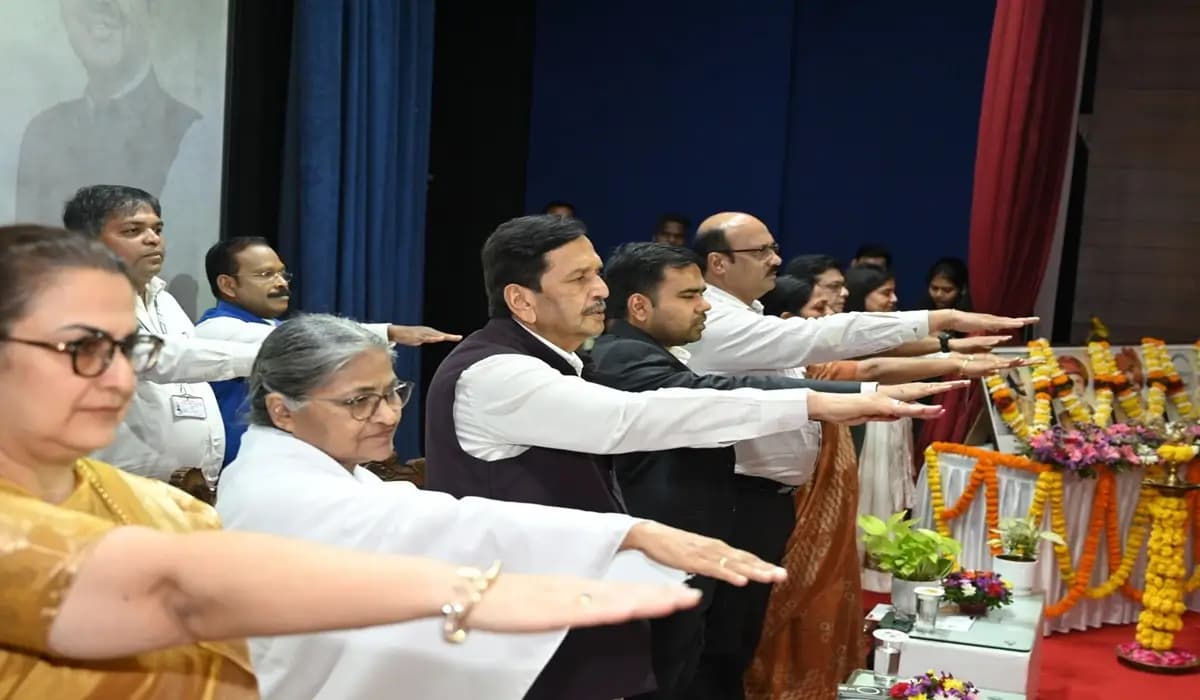
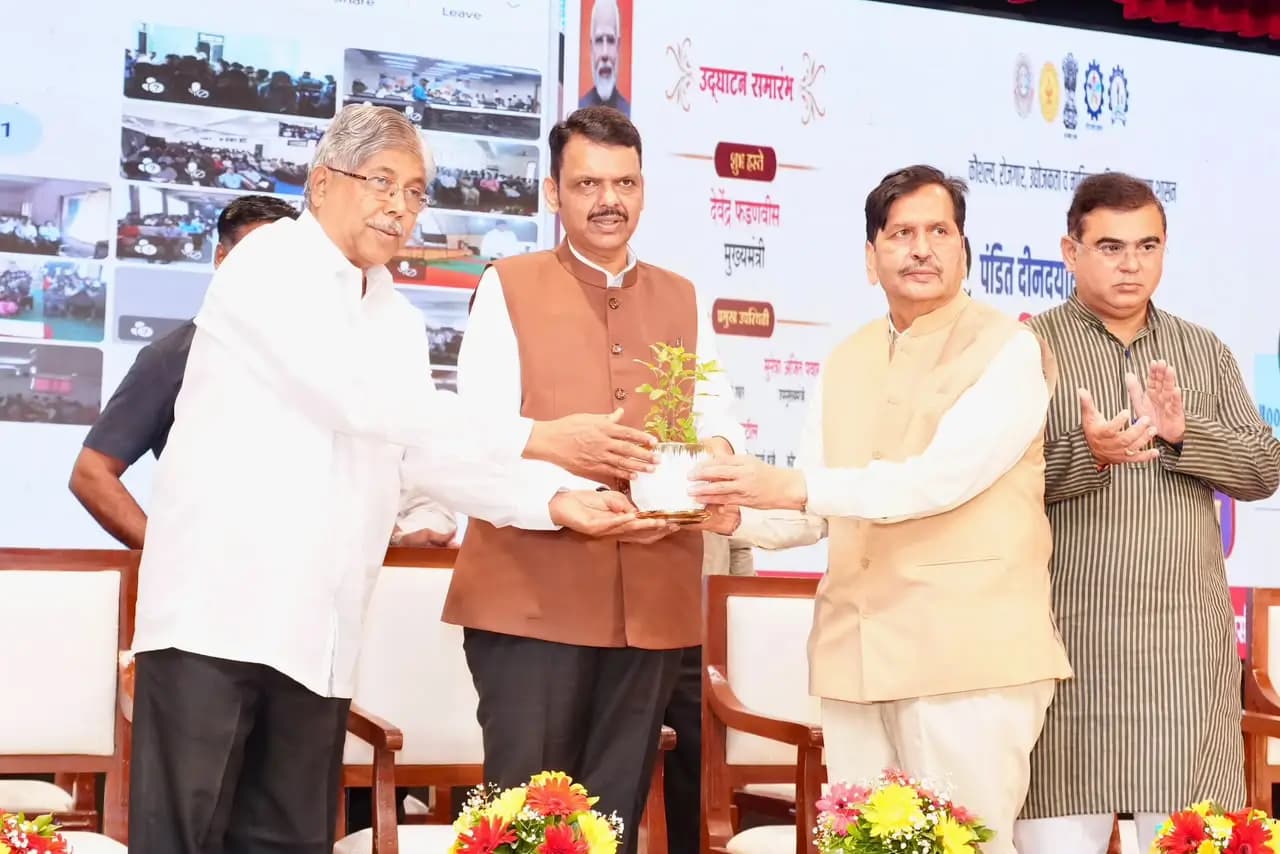
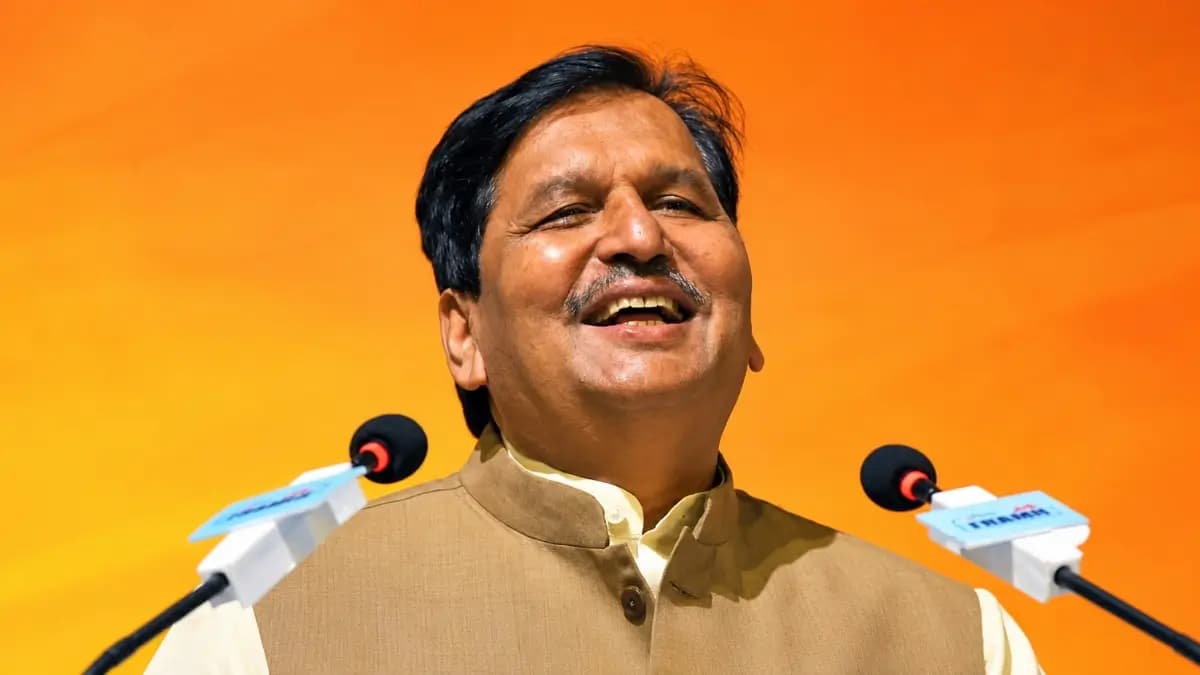
Skill Development Minister Mangal Prabhat Lodha virtually inaugurated the centres at Daksh Hall, Elphinstone Technical High School, near Metro Chowk in Mumbai, during Thursday’s programme.
The government says eligible training facilities can operate within spaces starting at 300 square feet, reducing infrastructure barriers for organisations serving disadvantaged and geographically isolated communities.
The initial 12 centres were inaugurated across Nagpur, Dahanu-Palghar, Nandurbar, Yavatmal, Pune, Mumbai, Sindhudurg and Jalgaon, extending the programme beyond major urban employment markets.
Maharashtra Skill Training Centres Get Relaxed Space Requirements
The initiative operates under the Pramod Mahajan Skill Development and Entrepreneurship Campaign, known as PMKUVA, through revised infrastructure norms accommodating facilities between 300 and 1,500 square feet.
Previously, larger premises were generally required for training facilities, limiting participation by institutions in densely populated settlements and villages where suitable property is often scarce.
Lodha described the programme as India’s first initiative of its kind, a claim made during the announcement that has not been independently established through comparative national data.
The minister said the revised standards would help bring vocational training into slums, rehabilitation colonies, remote hills, tribal settlements and areas affected by Naxal-related security challenges.
The rollout also targets gaothan settlements, aspirational districts and talukas, aiming to reduce unequal access to practical vocational education between rural communities and cities.
Mahatma Jyotiba Phule Bicentenary Inspires Maharashtra Initiative
The centres bear the name of social reformer Mahatma Jyotiba Phule as Maharashtra marks his bicentenary commemorations in 2026, according to the government’s programme description.
Chief Minister Devendra Fadnavis previously announced the initiative in Phule’s native village, Lodha said, linking the programme to the reformer’s emphasis on vocational education.
Courses will be selected around industry needs, with the state seeking closer coordination between training providers, skill certification systems, employers and potential self-employment opportunities.
Importantly, Lodha said candidates attending these centres will not pay training fees, an arrangement intended to make enrolment more accessible to economically disadvantaged young people.
Also Read: BLM Cooperative Society Under ED Scanner Over Alleged Deposit Diversion
Industry Partnerships to Strengthen Employment Opportunities
Registered social organisations, educational institutions and non-governmental groups will participate in establishing centres, using existing local infrastructure and working with industries and government agencies.
The administration expects these partnerships to develop job-ready workers for nearby employers while helping trainees find opportunities without necessarily relocating to larger cities for training.
However, the announcement did not provide centre-wise course lists, enrolment figures or employment outcomes, leaving the programme’s immediate impact to be assessed after implementation begins.
Skill Development, Employment and Entrepreneurship Commissioner Dr Amit Saini attended alongside Dr Apoorva Palkar, Vice-Chancellor of Ratan Tata Maharashtra State Skills University, officials said.
Other attendees included Dr Shrikant Patil, Chief Executive Officer of Maharashtra State Innovation Society, and Satish Suryawanshi, Director of the Directorate of Vocational Education and Training.
Free Skill Development Training Aims to Build Self-Reliant Youth
The government frames the initiative as an employment and economic inclusion measure, with particular attention to underserved youth facing barriers involving distance, cost and infrastructure.
Its longer-term success will depend on consistent instruction, recognised certification, employer participation and measurable placement results, rather than the number of training centres inaugurated alone.
For Maharashtra’s young jobseekers, the expansion could improve access to vocational education, provided training quality, accessible enrolment and meaningful employment opportunities remain central to implementation.