The Maharashtra parole policy debate has intensified after remarks attributed to Devendra Fadnavis triggered wider discussion regarding parole relief, violent offences, and criminal justice accountability. A Marathi opinion piece questioned whether parole safeguards are being applied consistently in cases involving crimes against women and high-profile offenders. The debate also revisited concerns regarding discretionary parole decisions, custodial privilege, and public confidence in the justice system. Legal experts note that parole and furlough remain recognised rehabilitation mechanisms under Indian prison administration, though critics argue stricter safeguards may be necessary in cases involving violent or repeat offenders.
Maharashtra Parole Policy Debate: Devendra Fadnavis’ Remarks Trigger Wider Questions Over Bail, Violent Crime, and Political Accountability
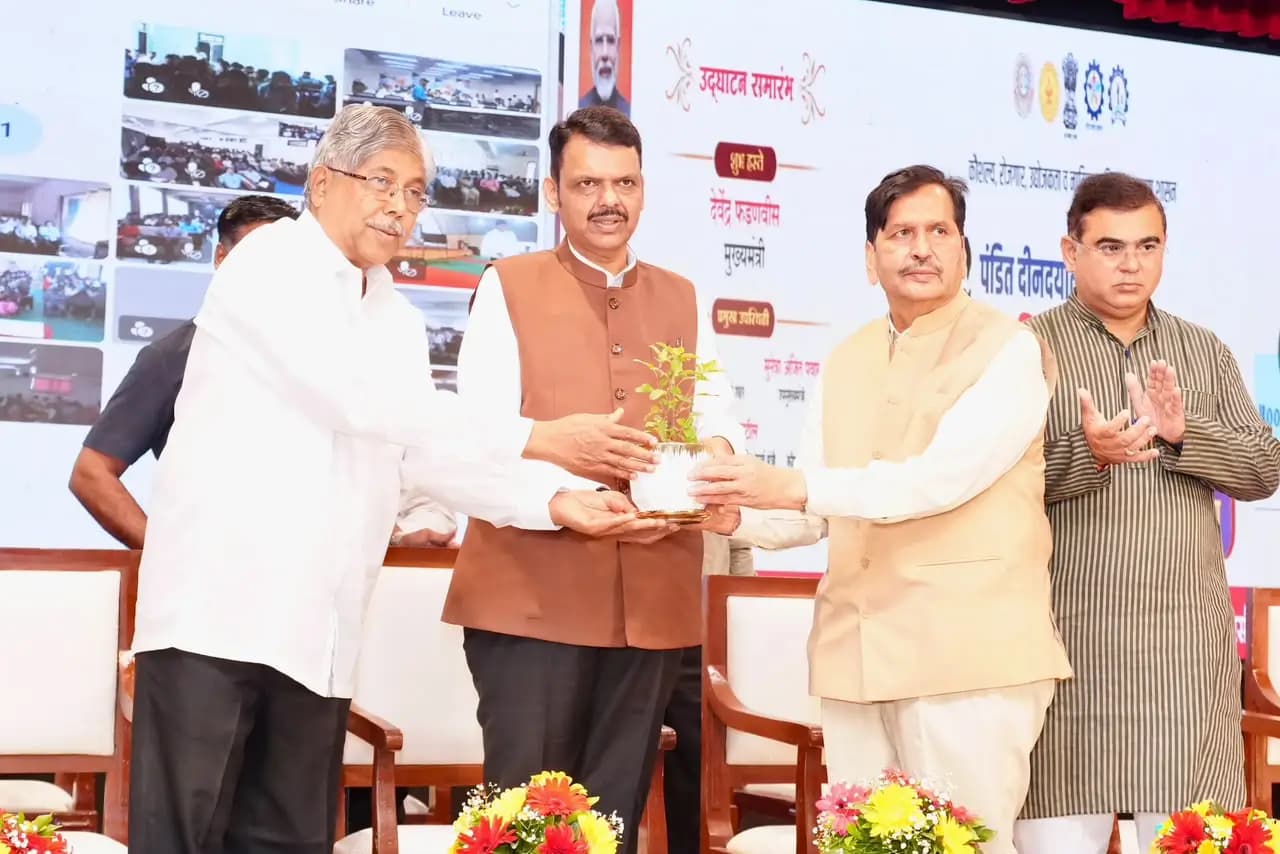
A renewed debate over parole policy, violent offences against women, and criminal justice accountability has intensified in Maharashtra after recent remarks by Chief Minister Devendra Fadnavis drew strong public and political reactions.
The Maharashtra parole policy debate has resurfaced following comments attributed to Devendra Fadnavis regarding parole relief for persons accused or convicted of serious offences involving crimes against women.
The issue gained traction after a Marathi opinion piece criticised what it described as inconsistencies in political and legal approaches toward parole, bail, and remission policies in sensitive criminal matters.
The article referred to recent incidents involving sexual offences against minor girls across Maharashtra and questioned whether parole provisions were being applied with sufficient safeguards and accountability mechanisms.
According to the commentary, repeated public assurances promising strict action against offenders often lose momentum over time, while concerns regarding long-term criminal justice enforcement continue to persist among citizens.
The opinion piece further argued that the state government’s broader policy position on parole required reconsideration, particularly in matters involving violent offences, crimes against women, and repeat criminal allegations.
While the article reflects the author’s opinions and interpretations, the broader public discussion surrounding parole reforms, victim protection, and custodial policy has increasingly entered mainstream political discourse in Maharashtra.
Political Statements and Criminal Justice Concerns Under Public Scrutiny
The commentary specifically referenced remarks attributed to Chief Minister Devendra Fadnavis, suggesting that individuals accused of crimes involving sexual violence should not be granted parole relief easily.
The article, however, simultaneously questioned whether such principles were being implemented consistently across different categories of criminal offenders and politically sensitive cases involving influential individuals.
It further cited examples relating to prisoners who allegedly obtained parole or temporary release despite facing serious criminal allegations, thereby raising concerns regarding transparency and discretionary decision-making within the system.
Particular reference was made to convicted gangster Ram Rahim, whose parole releases in previous years had triggered wider national debate regarding custodial privilege and electoral timing allegations.
The opinion piece alleged that repeated parole grants in high-profile cases created a perception of unequal application of the law, especially when ordinary prisoners allegedly faced stricter custodial treatment and prolonged incarceration.
The article also argued that parole decisions should not merely satisfy procedural compliance but must additionally consider public confidence, victim sensitivity, rehabilitation standards, and broader constitutional principles governing criminal justice administration.
Legal experts generally note that parole and furlough are recognised correctional mechanisms under Indian prison administration frameworks intended to support rehabilitation, family interaction, and social reintegration under regulated supervision.
However, critics of liberal parole policies argue that such relief measures require stronger safeguards in cases involving violent offences, organised crime allegations, repeat offenders, or matters affecting public safety and confidence.
Also Read: Thane MPID Case Sees New ₹500 Crore Financial Trail Claims.
Debate Expands Beyond Parole Into Governance and Accountability Questions
The commentary additionally broadened the debate by alleging that political systems often failed to adequately distance themselves from persons accused of corruption, financial irregularity, or criminal misconduct matters.
According to the opinion piece, allegations involving politically connected individuals frequently trigger public perception concerns regarding selective accountability, enforcement inconsistency, and uneven application of criminal justice standards.
The article further criticised what it described as “washing machine politics,” a phrase increasingly used within political discourse to allege that individuals facing accusations later receive political rehabilitation after joining ruling formations.
While no judicial findings were cited in support of those broader political allegations, the commentary argued that public trust weakens when accountability mechanisms appear inconsistent or influenced by electoral considerations.
The article also raised concerns regarding crimes against women, asserting that repeated incidents across Maharashtra had intensified demands for stricter punishment frameworks and faster implementation of criminal justice processes.
It argued that legal reforms relating to parole, bail scrutiny, custodial discipline, and repeat offender monitoring should become part of a larger nationwide conversation rather than remaining confined to episodic political reactions.
Maharashtra’s Parole Debate Likely to Continue Amid Wider Public Attention
The broader controversy highlights the increasingly sensitive intersection between parole policy, criminal justice reform, political accountability, and public confidence in institutional enforcement across India’s legal system.
Legal observers note that parole remains a statutory and administrative process governed by prison rules, judicial oversight, constitutional safeguards, and state-level discretionary frameworks subject to evolving legal interpretation.
At the same time, civil society groups and victim-rights advocates continue demanding stricter review standards in cases involving violent crimes, sexual offences, organised criminal allegations, and repeat offenders seeking temporary release.
As political debate surrounding parole policy intensifies, Maharashtra’s criminal justice framework is expected to remain under continued public scrutiny regarding consistency, transparency, and the balancing of reformative and punitive objectives.
Sprouts News understands that discussions surrounding parole reform, custodial policy, and victim protection are likely to remain politically and legally significant ahead of future legislative and administrative deliberations in Maharashtra.
Readers Appeal
If you possess court records, prison documents, parole orders, legal correspondence, victim representations, or information relating to parole, furlough, remission policies, or criminal justice irregularities, you may confidentially contact Sprouts News. Investigative journalist and Editor-in-Chief Unmesh Gujarathi has extensively reported on legal accountability, governance, and public interest matters. Verified information may be confidentially shared on 9322755098.
Editorial Note:This article is based on publicly available FIR records, court case references, and reports published by multiple media organisations. The information is presented in the context of ongoing investigations and public interest reporting. Sprouts News does not make any judicial determination regarding the individuals mentioned and does not intend to defame any person or organisation. Any individual seeking clarification or wishing to provide an official response may contact the editorial team with verifiable documentation. The information is presented for journalistic and informational purposes.