

Parshuram Jayanti 2026 will be observed globally on April 19, with special programmes at ISKCON Kharghar Temple. The festival honours Parashurama and includes rituals such as bhoga offering, pushpanjali and aarti. ISKCON has also issued guidelines for devotees to participate from home, focusing on sattvic food preparation and devotional discipline. The celebrations highlight the spiritual importance of prasadam and community participation, reinforcing traditional practices within modern devotional life.
- Parshuram Jayanti 2026: ISKCON Kharghar to host bhoga offering, pushpanjali and special aarti on April 19
- Bhoga offering at ISKCON: Ritual significance and spiritual meaning
- Approved foods for offering and dietary guidelines
- Preparation, discipline, and devotional conduct in kitchens
- Pushpanjali seva, aarti and temple programme details
- Community participation and support arrangements
- Importance of Parshuram Jayanti (As Explained in ISKCON Tradition)
Parshuram Jayanti 2026: ISKCON Kharghar to host bhoga offering, pushpanjali and special aarti on April 19
ISKCON centres worldwide will mark Parshuram Jayanti with devotional rituals, including food offerings, flower ceremonies and aarti, with detailed guidelines issued for devotees participating at home and temples.
Parshuram Jayanti 2026 will be observed globally on April 19, with ISKCON centres, including Kharghar in Navi Mumbai, organizing special devotional programmes.
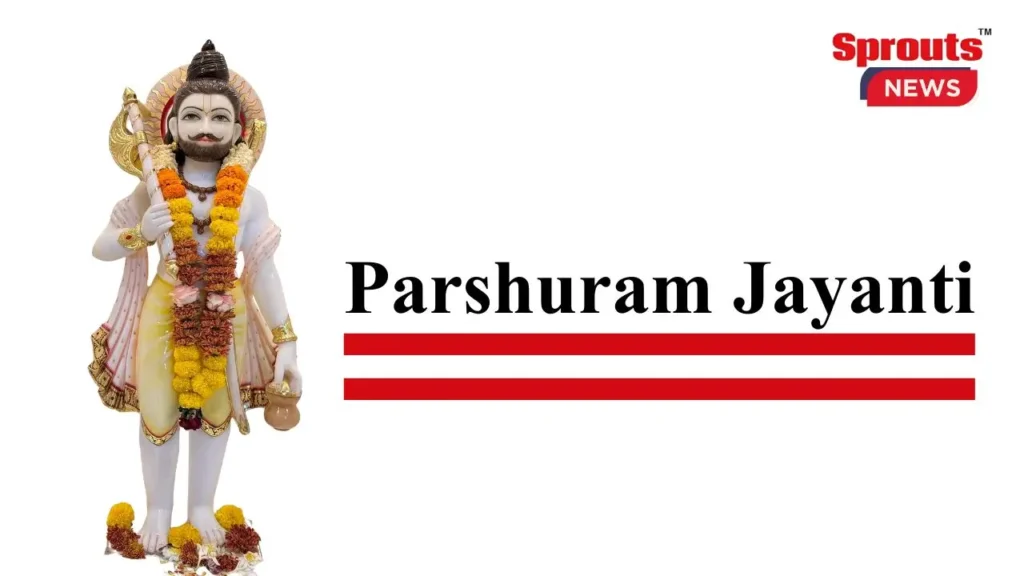
The festival commemorates the appearance of Parashurama, regarded as the sixth incarnation of Vishnu, and holds spiritual significance within Vaishnav traditions.
According to organizers, the celebrations will include bhoga offering, pushpanjali seva, and a special aarti, with devotees encouraged to participate both at temples and from their homes.
Temple representatives have also shared detailed guidelines on food offerings and devotional practices, aiming to help followers observe the occasion with authenticity and spiritual focus.
Bhoga offering at ISKCON: Ritual significance and spiritual meaning
- Bhoga offered before consumption
- Converts into blessed prasadam
- Central to ISKCON devotional practice
- Can be performed at home
Bhoga refers to food prepared and offered to the deity before consumption, after which it becomes prasadam, meaning “divine mercy” received through blessings.
According to ISKCON teachings, consuming prasadam is believed to purify the mind and strengthen spiritual connection, forming an integral part of devotional life and daily practice.
Devotees are encouraged to offer bhoga not only at temples but also in their own kitchens, following prescribed rituals that emphasize cleanliness, devotion, and mindful preparation.
Approved foods for offering and dietary guidelines
- Vegetarian and sattvic food required
- Grains, fruits, and vegetables permitted
- Dairy and nuts allowed
- Certain items are strictly prohibited
The guidelines specify that only pure vegetarian food items should be offered, including grains such as rice and wheat, fruits like bananas and mangoes, and vegetables like potatoes and beans.
Dairy products such as milk, butter, yogurt and cheese are permitted, provided they do not contain animal-derived additives such as gelatin or rennet.
Sweets prepared without eggs and nuts such as almonds and cashews are also considered suitable offerings within ISKCON dietary practices.
However, foods such as meat, fish, eggs, onions, garlic, mushrooms and caffeinated beverages are not permitted, as they are believed to disturb mental clarity and spiritual focus.
Freshness is also emphasized, with instructions to avoid food cooked more than three hours earlier and to ensure ingredients are clean and appropriately sourced.
Preparation, discipline, and devotional conduct in kitchens
- Clean kitchen and personal hygiene required
- Food not to be tasted before offering
- Devotional mindset encouraged
- Cooking is seen as a spiritual service
Before preparing bhoga, devotees are advised to maintain cleanliness by washing hands, wearing fresh clothes, and ensuring the kitchen environment is neat and organized.
During cooking, individuals are encouraged to maintain a devotional mindset, often by remembering Krishna or playing devotional music, aligning the act of cooking with spiritual consciousness.
Importantly, food should not be tasted before it is offered, as it is first meant for the deity, reflecting respect and discipline in the offering process.
According to Sur Das, love and care are considered essential elements in preparation, reinforcing that devotion is as important as the ingredients themselves.
Also Read: Hops Kitchen and Bar Case Raises Late-Night Violation.
Pushpanjali seva, aarti and temple programme details
- Pushpanjali involves offering flowers
- Performed after aarti with mantras
- Devotees may bring flowers, leaves
- Special aarti and prasadam distribution
Pushpanjali seva, another key ritual, involves offering flowers to the deity as a symbol of gratitude and devotion, typically performed after aarti with recitation of sacred mantras.
According to Surdas Prabhu, Trustee and President of the ISKCON Kharghar Temple, devotees may bring fruits, sweets, dry fruits, flowers, and leaves for offerings.
Participants are advised to submit offerings to temple priests at least thirty minutes before the ceremony to facilitate timely inclusion in the rituals.
Following the pushpanjali, a special aarti dedicated to Parashurama will be performed, after which prasadam will be distributed among devotees attending the celebration.
Community participation and support arrangements
- Devotees can participate at the temple or at home
- Contact provided for assistance
- The event is open to all participants
- Emphasis on inclusive devotional practice
Organizers have emphasized that participation is open to all devotees, whether they attend temple events or observe rituals at home.
For assistance or further information, devotees can contact Sita Mohan Das, Vice President of ISKCON Kharghar Navi Mumbai, at 8691926465.
Importance of Parshuram Jayanti (As Explained in ISKCON Tradition)
Parshuram Jayanti marks the divine appearance of Parashurama, the sixth incarnation of Vishnu, who appeared to restore dharma and uphold righteousness in society.
According to teachings associated with ISKCON, Lord Parashurama represents the principle that divine intervention occurs whenever injustice and adharma become dominant in the world.
In ISKCON philosophy, Parashurama is not just seen as a warrior sage, but as a symbol of disciplined action guided by spiritual consciousness, emphasizing that शक्ति (power) must always be aligned with धर्म (righteousness).
The scriptures describe that Parashurama appeared to protect sages, uphold moral order, and correct corrupt rulers who misused their authority, reinforcing the eternal message of Bhagavad Dharma.
Devotees are encouraged to reflect on qualities such as self-discipline, humility, and devotion, rather than focusing only on the martial aspect of Lord Parashurama’s life.
From an ISKCON perspective, the deeper significance of Parshuram Jayanti lies in understanding that भगवान’s incarnations aim to guide humanity back to Krishna consciousness and spiritual balance.
Followers often engage in prayers, reading scriptures, chanting the holy names of Krishna, and practicing self-purification, aligning themselves with the core teachings of bhakti (devotional service).
Ultimately, Parshuram Jayanti serves as a reminder that true strength lies in spiritual awareness and that righteousness, when guided by devotion, leads to lasting peace and harmony.
As reported by Sprouts News, such celebrations aim to promote devotional engagement, community participation, and awareness of traditional practices among a wider audience.
Parshuram Jayanti, therefore, continues to serve as both a spiritual observance and a cultural event, bringing together devotees through shared rituals, disciplined practices, and collective expressions of faith.
Readers’ Appeal
If you have any spiritual or religious news, you may contact Unmesh Gujarathi, a senior journalist based in Mumbai, and his team at 9322755098. Your inputs can help highlight important cultural and devotional stories for wider public awareness.