
MahaRERA’s Builder Nexus Exposed

Investigative Journalist
Founder & Editor-in-Chief, Sprouts News
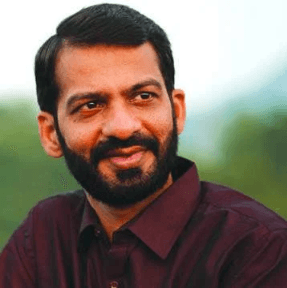
Unmesh Gujarathi is an Indian investigative journalist and media professional with over 28 years of experience in print and digital journalism. He is the Founder and Editor-in-Chief of Sprouts News, an independent investigative publication headquartered in Mumbai, established in 2020.
Throughout his career, he has held editorial positions at leading media organisations, including:
DNA (Daily News & Analysis)
The Times Group
The Free Press Journal
Saamana
Dabang Dunia
Lokmat
His reporting has focused on investigative journalism, governance accountability, public policy, corruption, crime reporting and the Right to Information (RTI) framework in India.
As Editor-in-Chief of Sprouts News, he oversees:
Investigative direction
Editorial standards and verification protocols
Legal compliance and ethical review
Newsroom operations and accountability processes
Education & Academic Background
Unmesh Gujarathi holds:
Master of Commerce (M.Com)
Master of Business Administration (MBA)
Degree in Journalism
His academic background supports his reporting in areas related to governance, financial systems, public administration and regulatory matters.
Published Works & Contributions
In addition to newsroom leadership, he is the author of more than 12 books in Marathi and English. His published works cover topics including:
The RTI Act and transparency mechanisms
Political leadership, including writings on Balasaheb Thackeray
Career guidance
Investigative journalism practices
He has contributed to national dailies and digital media platforms, focusing on evidence-based reporting and public-interest journalism.
Editorial Approach
Unmesh Gujarathi’s reporting methodology emphasises:
Documentary verification
Multi-source validation
Legal awareness in investigative reporting
Public-interest accountability
Under his leadership, Sprouts News has published investigative reports related to governance, regulatory oversight and institutional transparency.
Professional Contact
Editor-in-Chief
Sprouts News
Mumbai, Maharashtra, India
Phone: +91 9322755098
Email: unmeshgujarathi@gmail.com
Portfolio: www.unmeshgujarathi.com
You Might Also Like to Read

Minister Sheikh Hasina Speech Draws India Clarification Amid Tensions.
5 August 2026
Continue Reading
Udhayanidhi Stalin Arrested as Trisha Remark Triggers Political Storm.
4 August 2026
Continue Reading
Two Arrested in Chandranath Rath Murder Case, CBI Examines Political Links.
1 August 2026
Continue ReadingPriyanka Gandhi's 'Cow Urine' Remark Draws Protest From 215 Academics.
A Lok Sabha remark by Priyanka Gandhi Vadra has triggered an academic controversy, with more than 215 academics signing an open letter defending IIT Madras Director Professor V. Kamakoti and calling for respectful engagement with scientific debate.

More than 215 academics, including serving and former vice-chancellors, have criticised remarks by Congress MP Priyanka Gandhi Vadra that were widely interpreted as referring to IIT Madras Director Professor V. Kamakoti.
More than 215 academics have criticised Priyanka Gandhi Vadra over a Lok Sabha remark widely interpreted as referring to IIT Madras Director Professor V. Kamakoti. In an open letter, the signatories defended respectful scientific debate and argued that disagreements should focus on evidence and scholarship rather than personal characterisations.
Priyanka Gandhi's 'Cow Urine' Remark on IIT Madras Director Sparks Open Letter From 215 Academics
More than 215 vice chancellors, ex-vice chancellors and academics have slammed Congress MP Priyanka Gandhi Vadra for her comments that were widely perceived as a jibe at IIT Madras Director Professor V. Kamakoti, seeking respectful engagement with scientific debate.
Congress MP Priyanka Gandhi Vadra’s remarks during a Lok Sabha debate have provoked a strong reaction from the academic community of India. An open letter in support of IIT Madras Director Professor V Kamakoti has been signed by 215 vice-chancellors, former vice-chancellors and academics. The development has sparked renewed debate about political rhetoric and deference to scientific institutions.
The row erupted after Priyanka Gandhi spoke during discussions on the Public Examinations (Prevention of Unfair Means) Amendment Bill, 2026 in the Lok Sabha on Tuesday. Although she did not name Professor Kamakoti, her words were widely taken as a reference to him and drew criticism from senior figures in higher education.
Priyanka Gandhi's remark prompts response from academics
Dharmendra Pradhan Resigns After Massive Student Protests Over NEET.
Dharmendra Pradhan's resignation marks a major turn in the NEET-UG 2026 controversy, but continuing student protests suggest the debate over examination integrity and accountability is far from over.

Union Education Minister Dharmendra Pradhan has announced his resignation amid nationwide protests over alleged irregularities in NEET-UG 2026, citing student welfare, national unity and the need to prevent prolonged unrest.
Dharmendra Pradhan resigns amid weeks of nationwide student protests over the alleged NEET-UG 2026 paper leak, marking a major political development in the examination controversy. Pradhan said he submitted his resignation to Prime Minister Narendra Modi in the larger interest of students and national unity. His announcement follows sustained demonstrations demanding accountability and greater transparency in examinations. Protest activity reportedly continued after the announcement, indicating that the resignation may not immediately resolve broader demands concerning the integrity of India's competitive examination system.
Dharmendra Pradhan Resigns After Weeks of Massive Student Protests Over NEET Paper Leak
Dharmendra Pradhan, the Union Education Minister, has resigned after weeks of nationwide protests against the NEET-UG 2026 paper leak. He said in his resignation letter that the decision was taken in the interest of the students and to safeguard national unity.
Dharmendra Pradhan’s resignation comes as a significant political development after weeks of nationwide protests over the NEET-UG 2026 paper leak. The Union Education Minister on Saturday said that he had sent his resignation to Prime Minister Narendra Modi, saying he was forced to do so due to the raging unrest and need to protect the future of the students.
In a letter to his “young friends”, Pradhan said that the situation at Jantar Mantar as well as across the country had reached a point where he felt it was in the larger public interest to resign. He said his decision was motivated by a desire to keep students focused on education and not mired in long legal or political battles.
He also thanked Prime Minister Narendra Modi for allowing him to serve the country. Pradhan said he remained committed to education reforms, adding that his more than four decades of service to students, teachers and the education sector had been his life's mission.
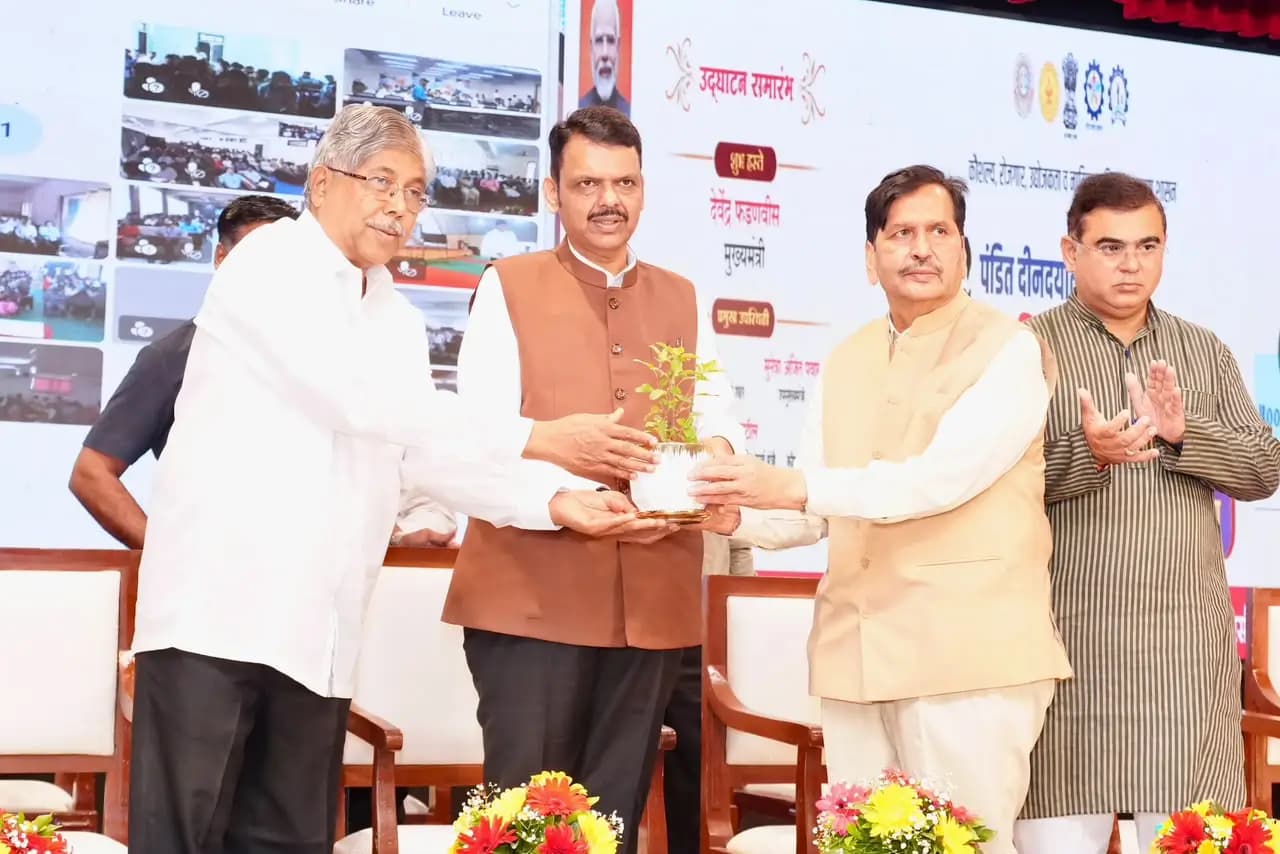
Devendra Fadnavis Birthday Marks Focus on Jobs, Skills and Entrepreneurship.
On Devendra Fadnavis' birthday, Maharashtra reaffirmed its commitment to employment generation, skill development and entrepreneurship as the government highlighted initiatives to prepare industry-ready youth across the state.

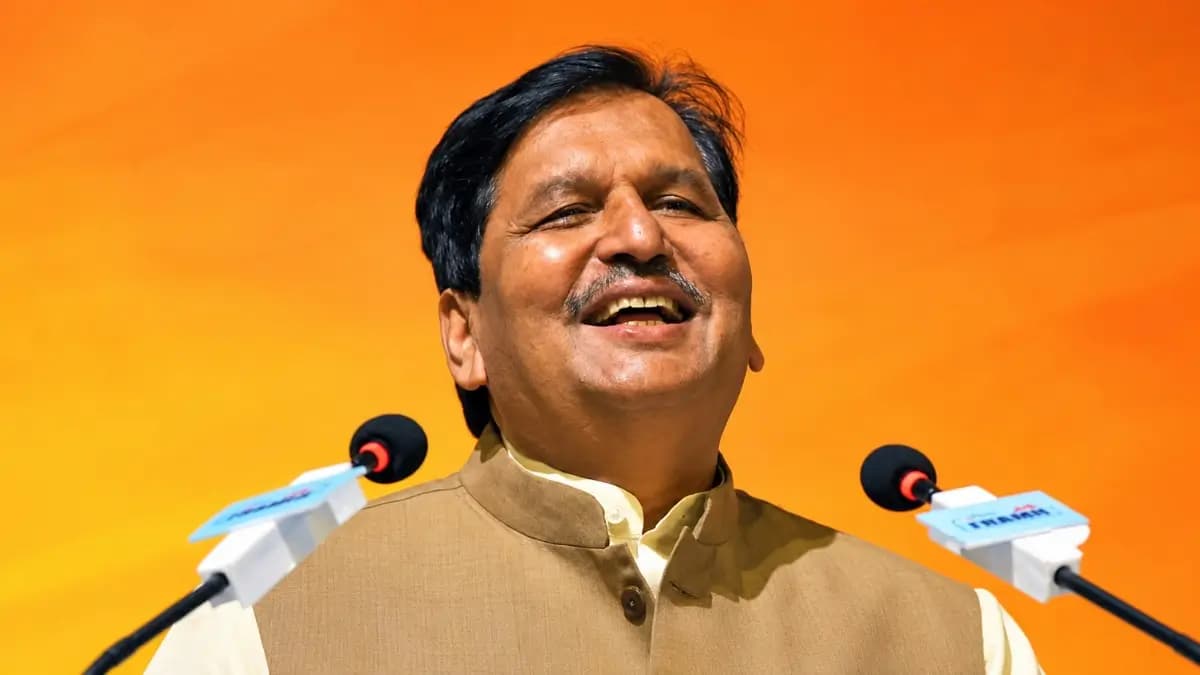
On Chief Minister Devendra Fadnavis' birthday, Skill Development Minister Mangal Prabhat Lodha highlighted Maharashtra's continued focus on employment generation, industry-ready youth, entrepreneurship and innovation.
Devendra Fadnavis' birthday was marked by a renewed emphasis on Maharashtra's employment and skill development agenda as Skill Development Minister Mangal Prabhat Lodha reaffirmed the government's commitment to creating industry-ready talent. He said the state is aligning workforce development with growing investments, industrial expansion and entrepreneurship opportunities under the leadership of Chief Minister Devendra Fadnavis. The government aims to strengthen employability through practical skills, innovation and entrepreneurship while supporting Maharashtra's position as a leading destination for business, investment and economic growth.
Devendra Fadnavis Birthday: Mangal Prabhat Lodha Highlights Maharashtra’s Push for Jobs, Skill Development and Entrepreneurship
On the occasion of Maharashtra Chief Minister Devendra Fadnavis’ birthday, Skill Development Minister Mangal Prabhat Lodha reaffirmed the state government’s commitment to employment generation, skill development and entrepreneurship, citing major investments, training initiatives and job creation programmes.
Devendra Fadnavis’ employment-focused development vision received renewed emphasis on his birthday as Maharashtra’s Skill Development, Employment, Entrepreneurship and Innovation Department announced stronger efforts to prepare industry-ready youth across the state. Minister Mangal Prabhat Lodha said the department would continue strengthening workforce development to match the state’s expanding investment landscape.
According to Mangal Prabhat Lodha, Maharashtra has placed industrial growth, investment and employment generation among its highest priorities under the leadership of Chief Minister Devendra Fadnavis. He said every new employment opportunity created in the state should be supported by a skilled workforce capable of meeting industry requirements.
Lodha stated that the department is reinforcing its commitment to skill development, employment generation, entrepreneurship and innovation while marking the Chief Minister’s birthday. He said the government’s objective extends beyond creating jobs to ensuring young people possess the practical skills required by modern industries.
CJP Parliament March Sparks Major Showdown in Delhi as Protest Escalates Despite Police Action.
The CJP Parliament March transformed concerns over examination governance into a nationwide debate on education reforms, democratic dissent, and accountability as thousands of protesters gathered near Parliament during the Monsoon Session.

The CJP Parliament March drew thousands of protesters to New Delhi, turning concerns over examination governance into a wider national debate on democratic dissent, accountability, and public policy during Parliament's Monsoon Session. (HT Photo/Gargi)
The CJP Parliament March emerged as one of the largest demonstrations in New Delhi in recent months, bringing together student groups, political leaders and civil society organisations over concerns about examination governance and public accountability. Triggered by demands surrounding alleged failures in the examination system, the protest expanded into a broader debate on democratic dissent, institutional credibility and the government's response during Parliament's Monsoon Session. Security restrictions, police action and continued demonstrations further underscored the significance of education reforms and citizens' right to peaceful protest.
CJP Parliament March Becomes a National Test of Protest Politics and Education Accountability
The CJP Parliament march has evolved into one of the most significant political demonstrations witnessed in the national capital in recent months, bringing together student activists, political leaders, public figures and civil society groups around questions of education governance and democratic dissent. While the immediate trigger remains the demand for the resignation of Union Education Minister Dharmendra Pradhan over alleged failures in the examination system, the unfolding events have raised broader concerns about public accountability, protest rights and the government's response during a crucial Parliamentary session.
The confrontation on Monday transformed large parts of Central Delhi into a high-security zone as protesters attempted to move towards Parliament despite restrictions imposed by the Delhi Police. Police used crowd control measures, including baton charges and tear gas in some areas, to disperse demonstrators after tensions escalated near Jantar Mantar and adjoining roads.
Why the CJP Parliament March Matters Beyond a Single Protest
The demonstration is not simply another political rally. It reflects growing public frustration over recurring controversies surrounding competitive examinations and recruitment processes that directly affect millions of young Indians.