More than 215 academics have criticised Priyanka Gandhi Vadra over a Lok Sabha remark widely interpreted as referring to IIT Madras Director Professor V. Kamakoti. In an open letter, the signatories defended respectful scientific debate and argued that disagreements should focus on evidence and scholarship rather than personal characterisations.
Priyanka Gandhi's 'Cow Urine' Remark on IIT Madras Director Sparks Open Letter From 215 Academics
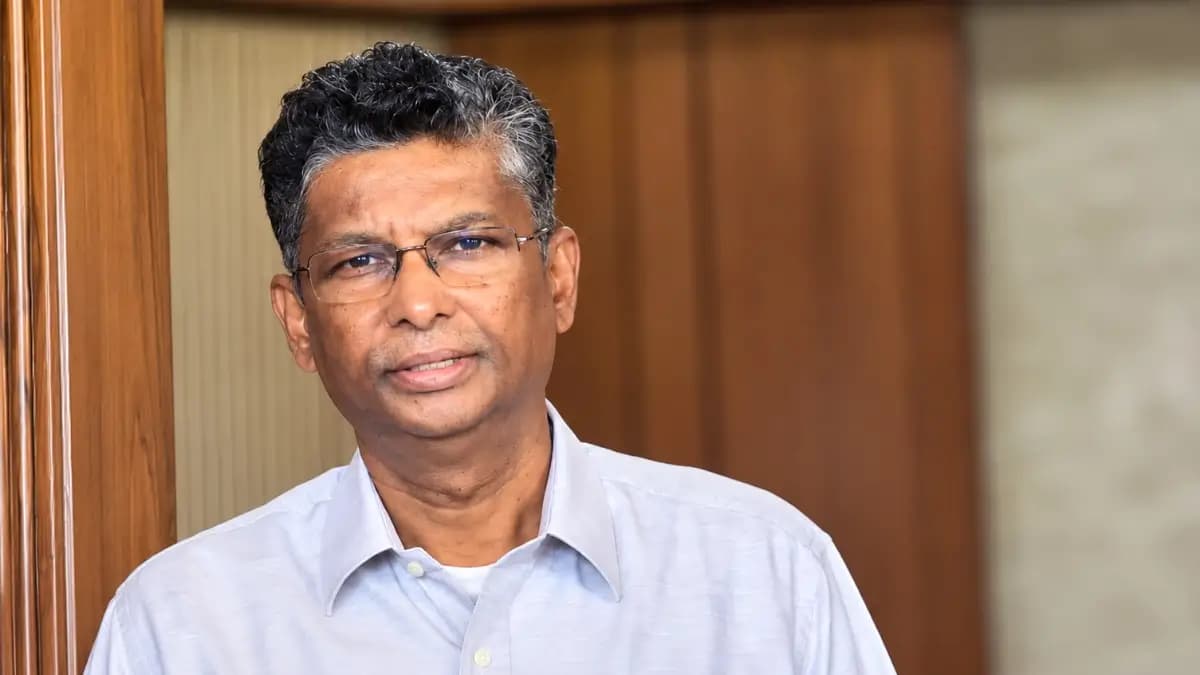
More than 215 vice chancellors, ex-vice chancellors and academics have slammed Congress MP Priyanka Gandhi Vadra for her comments that were widely perceived as a jibe at IIT Madras Director Professor V. Kamakoti, seeking respectful engagement with scientific debate.
Congress MP Priyanka Gandhi Vadra’s remarks during a Lok Sabha debate have provoked a strong reaction from the academic community of India. An open letter in support of IIT Madras Director Professor V Kamakoti has been signed by 215 vice-chancellors, former vice-chancellors and academics. The development has sparked renewed debate about political rhetoric and deference to scientific institutions.
The row erupted after Priyanka Gandhi spoke during discussions on the Public Examinations (Prevention of Unfair Means) Amendment Bill, 2026 in the Lok Sabha on Tuesday. Although she did not name Professor Kamakoti, her words were widely taken as a reference to him and drew criticism from senior figures in higher education.
Priyanka Gandhi's remark prompts response from academics
The signatories to the three-page open letter said they were disappointed with Priyanka Gandhi’s reported description of Professor V. Kamakoti as a “gaumutra expert”. They contended that this language, in the form of political critique or sarcasm, was not simply an individual difference of opinion but had consequences for the wider academic sphere.
The letter said that labelling a scholar and discarding them instead of engaging with the substance of academic views risks undermining the scientific temper that the Constitution of India asks its citizens to cultivate. It added that researchers should be able to take part in public debate without being personally ridiculed.
The document, released following the parliamentary debate, stressed that criticism must be on the level of evidence, arguments and scholarly work, not personal characterizations. “Respectful disagreement is essential to democratic discourse and to maintaining trust in academic institutions,” the signatories wrote.
Also Read: Bengaluru Woman Says ‘Guruji’ Duped Her of ₹2.5 Crore in RBI Scam.
Academics highlight Professor V. Kamakoti's scientific contributions
The open letter cited Professor V Kamakoti’s academic qualifications and professional achievements and said he is one of the leading technology researchers in India. He is presently Director, Indian Institute of Technology Madras (IIT Madras) and Member of the new task force on examination reforms.
The signatories said that Professor Kamakoti did his Master’s of Science and Doctor of Philosophy (Ph.D.) in Computer Science and Engineering from IIT Madras. He has published over 150 research papers and has been associated with over 50 research and development projects, they said.
The letter also listed several awards conferred on Professor Kamakoti, including the Defence Research and Development Organisation (DRDO) Academic Excellence Award and the Indian Electronics and Semiconductor Association Techno Visionary Award. It also credited him with a guiding role in the development of India’s first industry-standard microprocessor.
Open letter stresses scientific debate over political labels
“History is replete with examples of ideas once considered impossible being accepted by science and others once embraced but later rejected in the wake of further research and evidence-based inquiry,” the signatories said.
They said scholars, scientists and educators should be free to participate in public discussions without the risk of being dismissed with labels. The letter said critics should challenge the evidence, demand high standards, and not attack professional credibility through rhetoric.
The statement also warned that such comments could deter scientists from engaging in policy debates at a time when scientific expertise is playing an increasingly prominent role in informing national decisions on everything from education to technology to governance.
The controversy underscores the tightrope walk between tough parliamentary debate and the need to respect academic institutions as the political fallout continues. As the story develops, Sprouts News will continue to track any official response from Priyanka Gandhi Vadra, Professor V. Kamakoti, Congress or the Government of India. The episode is likely to linger in the larger discourse on education policy, scientific discourse and political accountability in India.