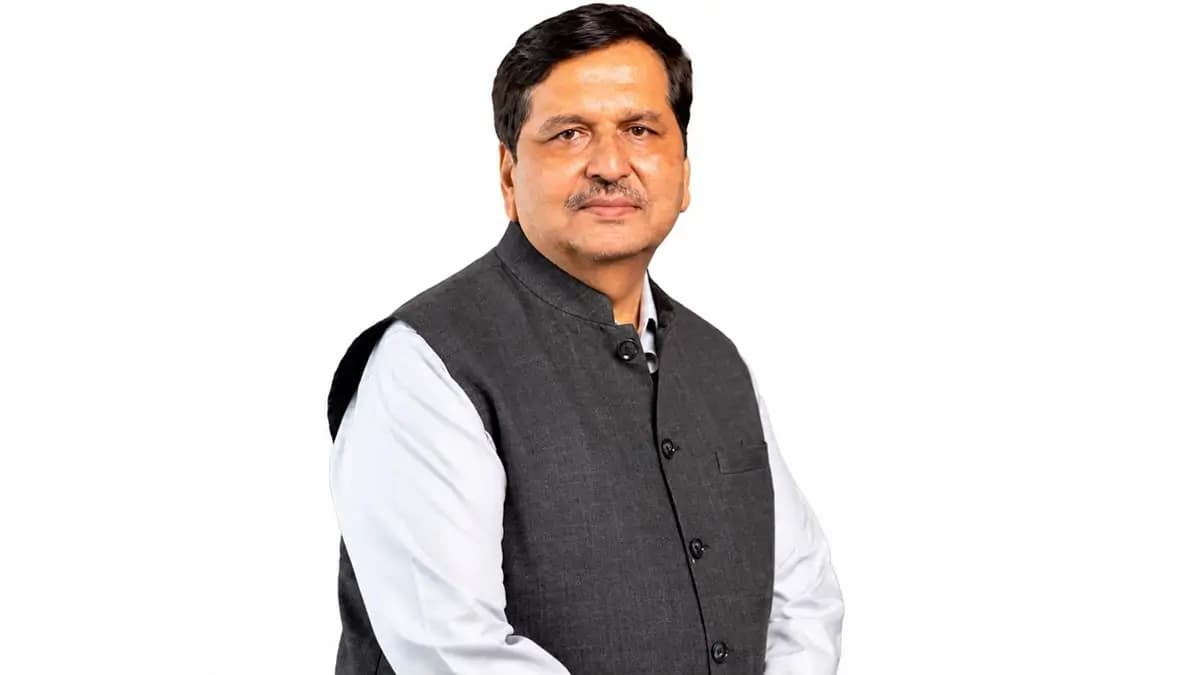
Ulhasnagar Sub-Divisional Officer Vijayanand Sharma is drawing attention for an administrative approach focused on official records, document verification and prescribed revenue procedures. The SDO’s office handles matters involving land records, sanads, property documentation and revenue disputes, where decisions can have significant legal and financial implications. The article emphasises that administrative decisions should be based on applicable law, documentary evidence and established procedures. It also notes that any assessment of an official’s working style should be based on orders, case records and documented administrative action rather than praise, criticism or allegations.
Ulhasnagar SDO Vijayanand Sharma: Rule-Based Revenue Administration Draws Attention
Ulhasnagar Sub-Divisional Officer Vijayanand Sharma is drawing attention for an approach centred on document verification, legal procedure and equal application of revenue rules in administrative matters.
Ulhasnagar SDO Vijayanand Sharma has drawn attention for a working approach that emphasises official records, legal procedures and prescribed rules in sensitive revenue-related administrative matters.
The Sub-Divisional Officer’s office handles sensitive issues involving land, sanads, property records and revenue disputes, where decisions can carry significant legal and financial consequences for citizens.
In such matters, administrative credibility depends on whether decisions are based on applicable law, documentary evidence and prescribed procedure rather than personal influence or external pressure.
Information concerning the functioning of Sharma’s office indicates an emphasis on verification, with official documents and revenue records positioned at the centre of administrative decision-making processes.
Documents and rules at the centre of revenue decisions
In revenue proceedings, authorities are expected to examine documents, land records, statutory provisions and procedural requirements before arriving at any conclusion affecting rights or liabilities.
That principle is particularly important in Ulhasnagar, where land and property matters can involve multiple stakeholders, competing claims, substantial financial interests and complex administrative questions.
The core administrative question remains straightforward: what do the official documents establish, and what do the applicable legal provisions require in the circumstances before authorities decide?
A process anchored in those considerations can strengthen transparency, reduce discretionary inconsistencies and give citizens clearer reasons for administrative decisions affecting their applications, rights or claims.
Political pressure and influence cannot replace procedure
Revenue administration can attract political pressure, local influence or intervention from interested parties, particularly where land, property rights, development permissions or valuable transactions are involved.
For that reason, citizens expect officials to apply the same standards to every applicant, irrespective of status, connections, social standing, financial strength or political influence.
In Sharma’s case, any assessment of his working style should therefore rest on official orders, case records, documented procedures and legally sustainable administrative action overall.
Praise, criticism or allegations should not substitute for evidence, especially where individual reputations, property rights, public confidence or accusations involving misconduct may be directly affected.
No room for intimidation or unverified labels
Ulhasnagar’s land and property disputes can include allegations concerning unauthorised construction, incorrect records, irregular transactions or questionable documentation requiring careful legal and administrative scrutiny overall.
Such allegations must be tested against official records and applicable law, with authorities avoiding assumptions based solely on influence, intimidation, hearsay, reputation or unverified claims.
Terms such as “land mafia” should not be presented as established fact without a concrete official basis, independent verification or findings issued by competent authorities.
That distinction is essential for responsible journalism and fair administration, particularly when allegations could damage reputations before any formal determination or adjudication has been made.
Also Read: Zelenskyy Names India Among 47 Nations in Russia-Ukraine War Appeal
Verification in sanad and revenue matters
Sanad applications, property rights and revenue records require careful examination of submitted documents, historical entries, applicable statutes and procedural compliance before administrative orders are passed.
Clear reasons, accessible procedures and documented decision-making can help citizens understand why applications are accepted, rejected, delayed, returned or subjected to further verification by authorities.
Reducing dependence on intermediaries is also important, because direct access to prescribed administrative procedures can limit confusion, discourage informal influence and improve confidence in revenue services.
Institutional credibility matters beyond one officer
While Vijayanand Sharma’s working style has attracted positive discussion, the larger issue is institutional: rules, procedures, transparency and accountability must remain stronger than individual personalities.
If the SDO’s office consistently applies documented rules, transparent verification and reasoned orders, the benefit extends beyond one officer to Ulhasnagar’s wider revenue administration system.
Sprouts News considers records-based scrutiny essential when assessing public administration, particularly in sensitive property matters where citizen rights, due process and institutional credibility are involved.
Going forward, public attention is likely to remain on official orders, available records and measurable administrative action rather than on claims, praise, speculation or counter-allegations.
For Ulhasnagar citizens, the central expectation remains equal treatment: one procedure, one legal standard and one evidentiary threshold for influential applicants and ordinary residents alike.