The Jamda Dam Project in Maharashtra's Rajapur taluka faces fresh allegations of financial irregularities involving approximately ₹18 crore in compensation payments. Activist Uday Dattatray Ghag says he has launched a hunger strike at Mumbai's Azad Maidan, demanding an independent investigation. His allegations concern manipulated land measurements, inflated property valuations and questionable compensation claims. Earlier reporting independently confirms longstanding rehabilitation disputes surrounding the project, but the latest corruption allegations remain unverified.
Jamda Dam Project: ₹18 Crore Corruption Allegations Spark Hunger Strike at Mumbai’s Azad Maidan
Activist Uday Dattatray Ghag demands an independent investigation into alleged irregularities in land valuation, compensation payments and rehabilitation linked to Maharashtra’s long-delayed Jamda Dam project.
The controversial Jamda Dam project in Maharashtra’s Rajapur taluka has come under renewed scrutiny following allegations of financial irregularities involving approximately ₹18 crore in compensation payments.
Uday Dattatray Ghag has launched a hunger strike at Mumbai’s Azad Maidan, demanding a comprehensive investigation into suspected corruption and the suspension of officials allegedly involved.
According to Ghag, irregularities occurred during land measurement, property valuation and compensation distribution, raising serious concerns about transparency in the administration of the long-pending project.
The allegations have not been independently substantiated, and no official investigation findings establishing wrongdoing were available at the time of preparing this report.
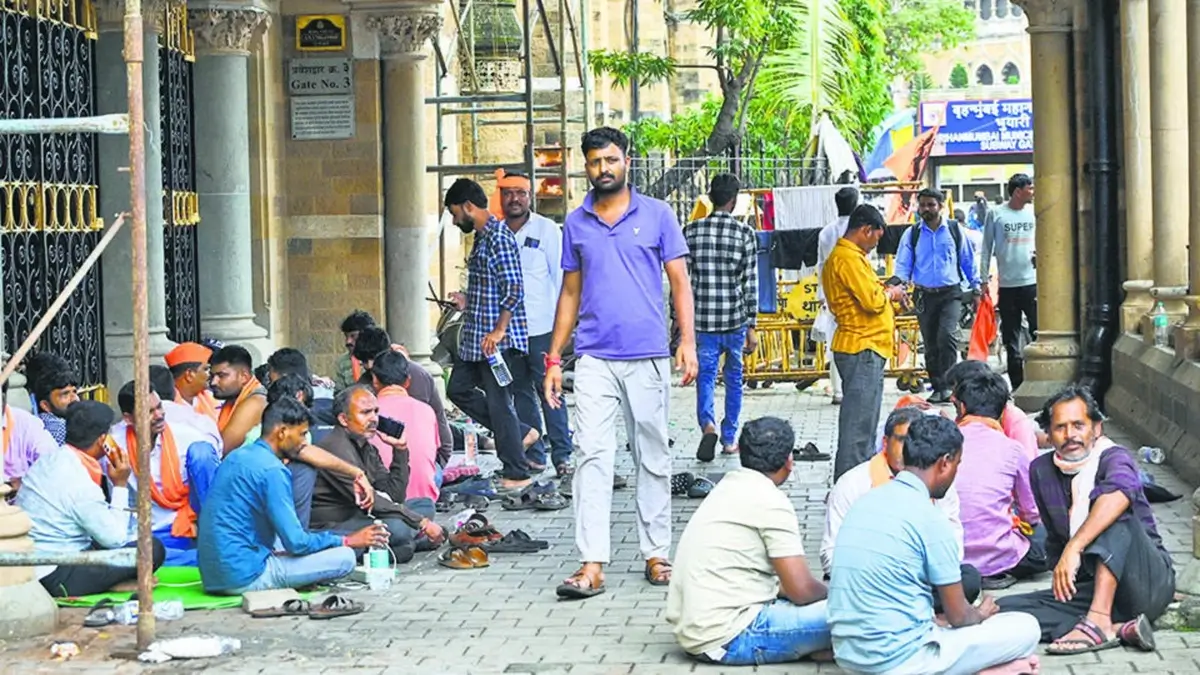
Jamda Dam Project: Allegations of ₹18 Crore Compensation Irregularities
Ghag alleges that land valuation records were deliberately manipulated, resulting in questionable compensation assessments and potentially allowing certain individuals to obtain payments through irregular procedures.
He further claims that fictitious structures were included in compensation calculations, with inflated valuations allegedly used to facilitate the misappropriation of public funds.
The protester has also alleged involvement by agents and intermediaries, claiming their activities contributed to financial irregularities amounting to approximately ₹18 crore.
Ghag has demanded that the Maharashtra government initiate an impartial investigation, examine compensation records and suspend any officials found responsible following appropriate legal proceedings.
The Jamda Dam project has remained controversial for years, with its prolonged delay attracting criticism over administrative uncertainty, rehabilitation disputes and alleged political interference.
According to the protesters’ account, several dam projects proposed after Jamda have already been completed, while this particular project continues to face unresolved implementation challenges.
The allegations require examination of land acquisition documents, property assessments, beneficiary records and payment authorisations to establish whether public funds were improperly distributed.
Also Read: Harshwardhan Sapkal Defends Jawaharlal Nehru's Legacy at Mumbai Congress Event
Kajirda Villagers Demand Rehabilitation Guarantees Under 2013 Land Acquisition Act
Rehabilitation remains a central concern for residents of Kajirda village, where affected families have previously expressed opposition to the dam without legally enforceable resettlement assurances.
According to the villagers’ resolution, opposition will continue until authorities provide written guarantees covering government rehabilitation, 18 civic amenities and compensation under the 2013 land acquisition law.
Residents further allege that the administration failed to respond to correspondence concerning essential facilities and withheld information relating to the compilation of rehabilitation beneficiary lists.
The Right to Fair Compensation and Transparency in Land Acquisition, Rehabilitation and Resettlement Act, 2013 provides safeguards concerning compensation, resettlement and infrastructure for eligible displaced families.
Section 32 requires specified infrastructure amenities in resettlement areas, while the legislation’s Third Schedule identifies 25 categories of facilities, subject to applicable statutory provisions.
For affected villagers, agricultural land represents not merely an economic resource but also their homes, livelihoods, family histories and longstanding connections with the community.
Political Disputes and Rehabilitation Delays Raise Accountability Questions
The dispute also highlights competing interests surrounding large irrigation projects, particularly between communities facing displacement and populations expecting agricultural or water supply benefits.
The source account alleges that political groups have sought electoral advantage from these divisions, although no specific party or independently verified evidence supporting that allegation was identified.
Questions concerning project expenditure, government contracts and administrative decision-making have added to calls for greater transparency, particularly regarding compensation distribution and rehabilitation planning.
A formal audit could help clarify whether compensation valuations were legitimate, whether beneficiaries were properly identified and whether established procedures were consistently followed.
The Maharashtra government and relevant project authorities have not provided a response within the material available to Sprouts News, leaving the allegations formally unaddressed in this account.
Ghag’s hunger strike has renewed demands for an independent inquiry, disclosure of rehabilitation records and clear written commitments protecting the rights of project-affected families.
The dispute’s resolution will depend on transparent administrative action, verification of the financial allegations and meaningful engagement with residents concerned about displacement and compensation.