One Nation, One Election received broad support at a Mumbai round table conference attended by nearly 50 jurists, former judges, academics, advocates and financial experts. Organised by the Jurists for Justice Foundation, the event examined constitutional, administrative, judicial and economic considerations surrounding simultaneous elections. Speakers discussed issues including election-related administrative pressures, police deployment, financial implications and constitutional requirements. The participants subsequently adopted a resolution supporting the proposal, although the broader legal and political process for implementing simultaneous elections remains a matter of national debate.
One Nation, One Election Gets Broad Support at Mumbai Round Table Conference
Nearly 50 jurists, former judges, academics, senior advocates and financial experts discussed constitutional, administrative, judicial and economic aspects of simultaneous elections before adopting a supporting resolution.
One Nation, One Election received broad support at a Mumbai round table conference where nearly 50 jurists, former judges, academics, advocates and financial experts discussed its implementation.
Organised by the Jurists for Justice Foundation, the conference examined constitutional, administrative, judicial and economic dimensions before formally adopting a resolution supporting simultaneous elections nationwide.
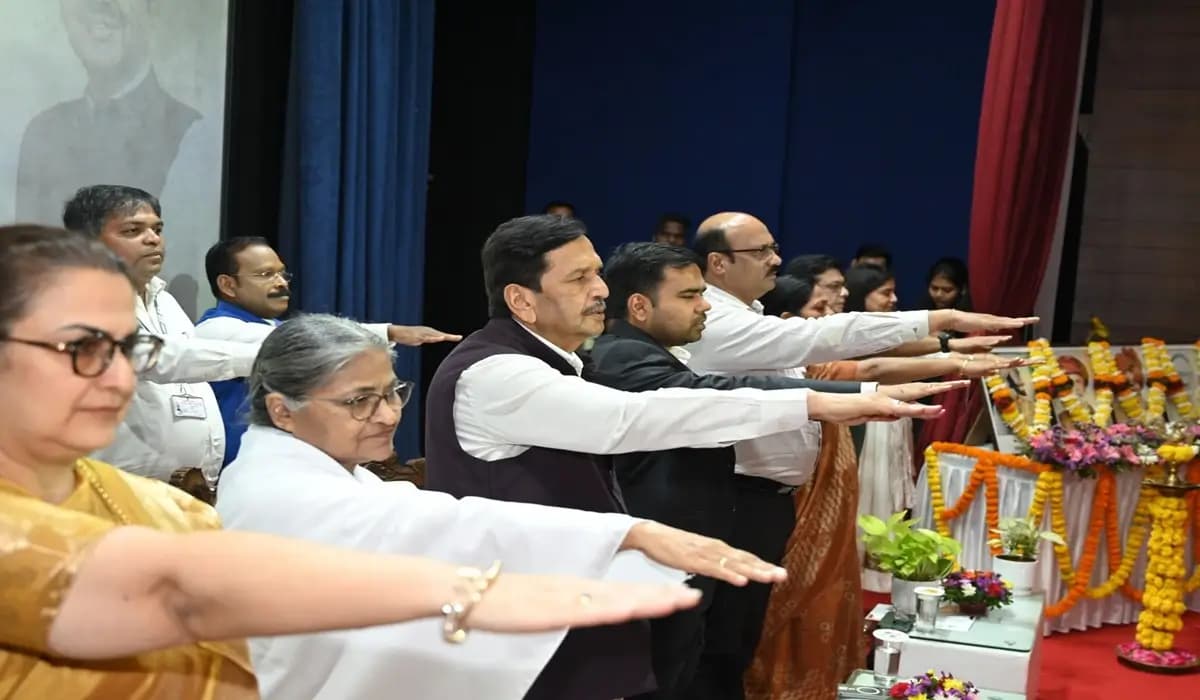
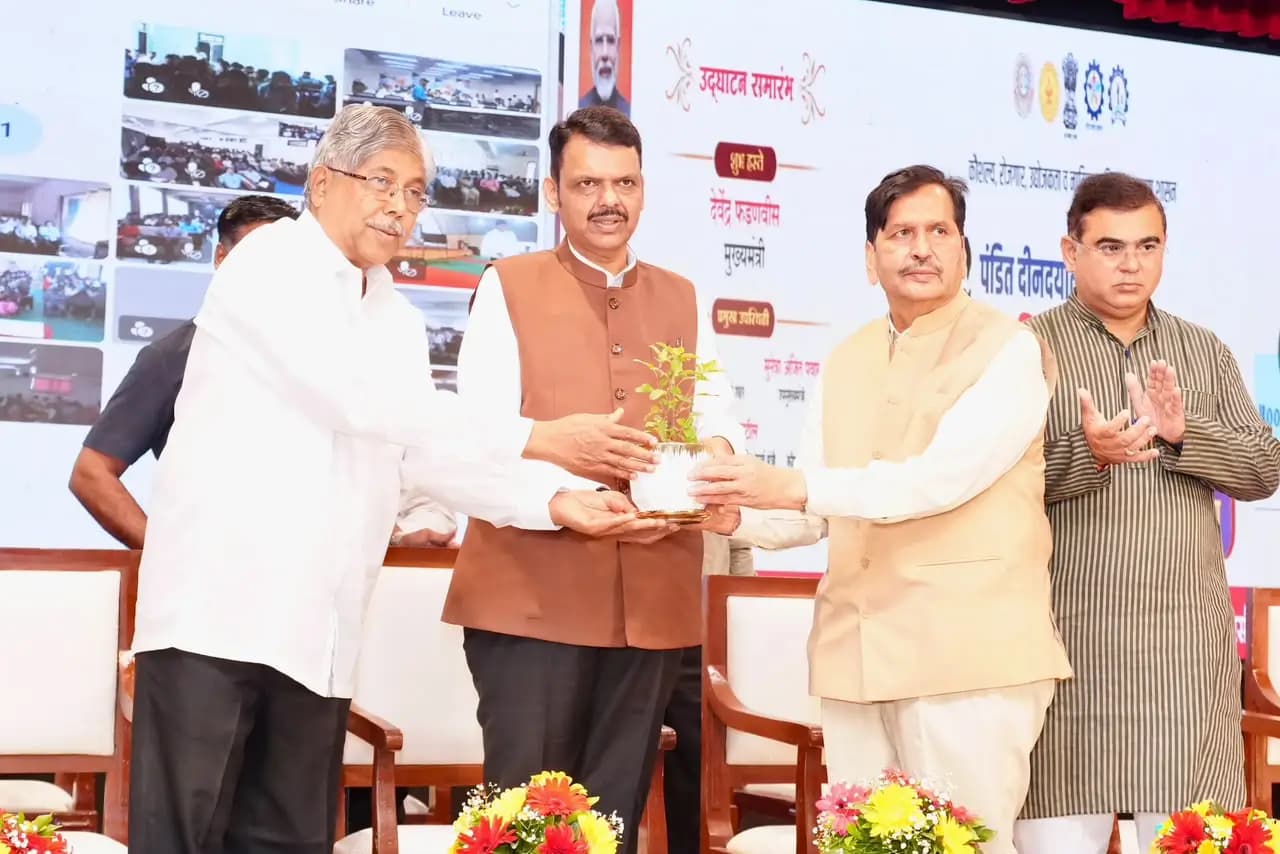
Proceedings began with ceremonial lighting of the lamp by the chief guest, keynote speaker and senior dignitaries, followed by a welcome address from foundation president Umesh Kumar Sirohi.
Sirohi outlined the conference’s objectives and themes before participants collectively sang Vande Mataram, setting the stage for discussions involving constitutional principles, governance, administration and economic considerations.
Constitutional and Administrative Dimensions of One Nation, One Election
Prof. Pritesh Arte delivered the keynote address, providing the framework for the core round table discussion, where eight speakers presented perspectives supporting the One Nation, One Election proposal.
Former Justice B.P. Deshpande examined constitutional considerations surrounding simultaneous elections, while former District Judge Meeratai Khaddakkar expressed her support for the proposal during the deliberations.
Senior Advocate Anil Singh, Additional Solicitor General of India, discussed practical implementation issues, supporting simultaneous elections while highlighting the administrative considerations involved in executing such a nationwide framework.
Former Assistant Police Commissioner Avinash Dharmadhikari examined the additional pressure repeated elections can place on police deployment, arguing that simultaneous polls could help reduce that operational burden.
Chartered Accountant Ravi Pani highlighted the potential economic and financial benefits, while Prof. Advocate Dipak Parmar, an intellectual property rights expert, discussed broader advantages and links with IPR.
Nagesh V. Nhavkar, former Principal District Judge and current member of the Maharashtra State Special Public Security Advisory Board, addressed constitutional aspects of adopting simultaneous elections.
Former District Judge Chanda Nathani also expressed support for the proposal, adding another judicial perspective to discussions that covered constitutional, administrative, economic and institutional considerations.
Also Read: Jai Ambe Nagar Pond Row: Susham Sawant Seeks Action Within 48 Hours.
Mangal Prabhat Lodha Backs Simultaneous Elections
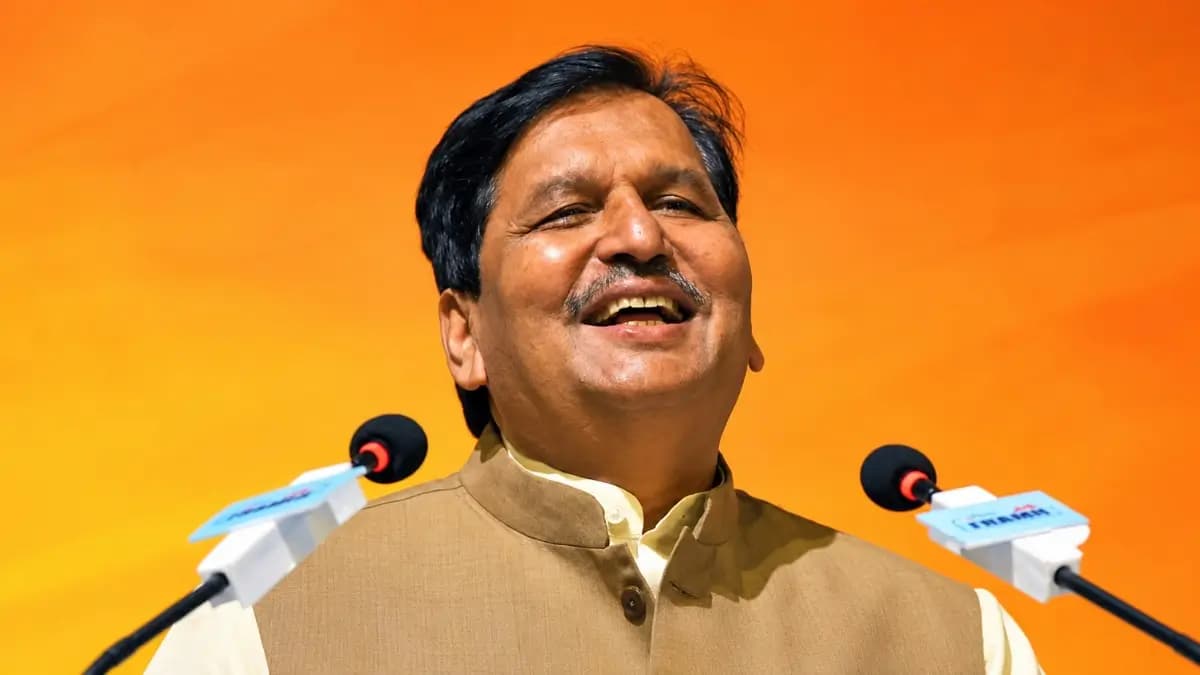
Maharashtra Cabinet Minister for Skill, Employment, Entrepreneurship and Innovation and Malabar Hill MLA Mangal Prabhat Lodha attended as chief guest and expressed support for simultaneous elections.
Lodha said simultaneous elections could improve administrative efficiency, accelerate national development and strengthen political effectiveness, presenting the proposal as beneficial for governance and India’s democratic process.
He said India is the world’s largest and oldest democracy, adding that One Nation, One Election could enhance government efficiency and further strengthen the country’s democratic process.
Delegates were subsequently invited to present their views, and some dissenting opinions emerged during the discussion, although participants ultimately reached broad agreement supporting the proposal.
A draft resolution was then presented, followed by necessary clarifications, after which the conference formally adopted the resolution in support of One Nation, One Election.
The outcome reflects the conference’s stated consensus, while the recorded presence of differing views indicates that participants also engaged with concerns surrounding the proposed electoral framework.
Judicial Perspectives and Conference Conclusion
Former Justice Vivek Bharti Sharma delivered the valedictory address, drawing on his experience as a judge in Uttarakhand and discussing judicial, constitutional, administrative and financial dimensions.
Sirohi later addressed the gathering again, acknowledging differing opinions and describing frequent elections as a viral fever, while calling One Nation, One Election an effective political vaccination.
The remarks reflected the foundation’s position that repeated elections can create administrative pressures, while simultaneous polls could potentially provide greater continuity for governance and public administration.
Sprouts News notes that the Mumbai conference brought together legal, judicial, administrative and financial perspectives, making the resolution part of a broader discussion around electoral reform.
Organising Committee President Amarnath Mishra delivered the concluding vote of thanks to the chief guest, dignitaries, speakers, participants, and members of the organising and subject committees.
The conference concluded with the national anthem, followed by a group photograph involving the chief guest, dignitaries, keynote speaker, and participating representatives at the Mumbai event.