Concerns over the alleged sale of Rimzim Paan to minors in Ulhasnagar have raised questions about the product's ingredients and compliance with food safety regulations. Claims involving schoolchildren and other consumers remain unverified, with no authenticated laboratory results establishing the product's composition. The concerns have prompted calls for sample testing, vendor inspections and verification of manufacturing and labelling details. Under Indian law, tobacco sales to minors are prohibited, while Maharashtra maintains restrictions on specified tobacco and areca nut products.
Ulhasnagar Rimzim Paan Controversy: Alleged Sales to Minors Raise Public Health Concerns
Concerns over the alleged sale of ‘Rimzim Paan’ in Ulhasnagar have prompted calls for laboratory testing, vendor inspections and coordinated action to protect children.
The alleged sale and consumption of Rimzim Paan in Ulhasnagar have raised concerns about possible exposure of minors to potentially harmful substances through local paan stalls.
Claims that schoolchildren, adolescents, adults and elderly residents consume the product have renewed questions about its ingredients, distribution network and compliance with Maharashtra’s food safety regulations.
However, no authenticated laboratory findings establishing the product’s composition have been presented, and allegations concerning intoxicating ingredients or unlawful sales remain unverified pending official investigation.
What Is Rimzim Paan and Why Are Its Ingredients Under Scrutiny?
The product reportedly known as Rimzim Paan has attracted attention because its precise composition, manufacturing process and potential health effects have not been independently established.
Questions concern whether the product contains tobacco, nicotine, areca nut, commonly called supari, or other stimulant substances that could attract restrictions under applicable Indian laws.
The absence of verified ingredient information makes laboratory examination essential before authorities can determine whether any particular product, manufacturer, distributor or retailer has violated existing regulations.
Concerns also extend to whether vendors check customers’ ages and whether packaging displays ingredient declarations, manufacturer details, relevant licences and mandatory warnings wherever legally required.
Exposure to tobacco and nicotine during adolescence carries recognised health risks, making allegations involving schoolgoing children particularly important for public health enforcement and child protection.
COTPA, Juvenile Justice Act and Maharashtra’s 2026 Restrictions
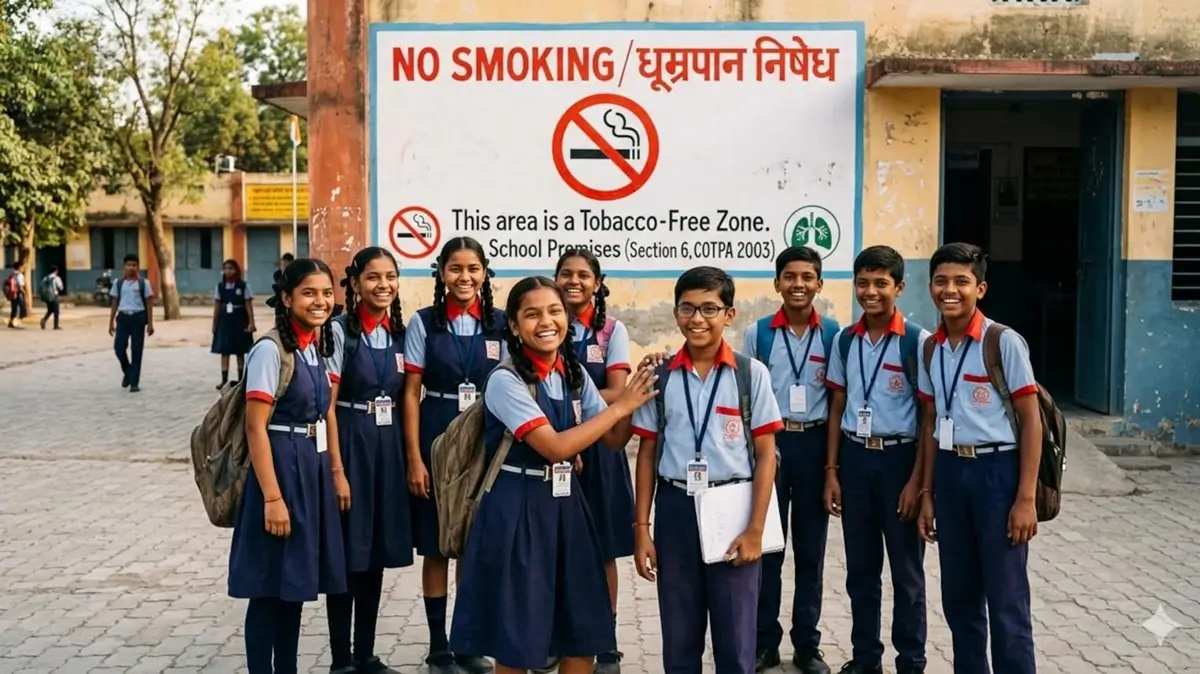
Under Section 6 of the Cigarettes and Other Tobacco Products Act, 2003, tobacco sales to individuals below 18 and within 100 yards of educational institutions are prohibited.
Section 77 of the Juvenile Justice (Care and Protection of Children) Act, 2015, also prescribes penalties for giving children tobacco products or specified intoxicating substances.
Additionally, Regulation 2.3.4 of the Food Safety and Standards Regulations prohibits tobacco and nicotine as ingredients in food products, providing another potential basis for regulatory scrutiny.
Maharashtra’s Food and Drug Administration issued restrictions on July 13, 2026, covering specified products including gutkha, pan masala, flavoured tobacco, flavoured supari, kharra and mawa.
Whether these statutory restrictions apply to Rimzim Paan depends on its actual ingredients, classification and sale circumstances, rather than allegations or its description as paan.
Also Read: Mangal Prabhat Lodha Celebrates Diwali With Adivasi Families in Mumbai
Demand for Joint FDA and Police Inspections Across Ulhasnagar
The Maharashtra Food and Drug Administration has been urged to conduct inspections across Ulhasnagar, collect product samples and arrange testing through authorised laboratories to establish their composition.
Investigators would also need to identify manufacturers, distributors and suppliers, examine commercial records and verify whether retailers possess the licences required for their activities.
The proposed investigation should establish how many outlets stock Rimzim Paan, whether sales involve minors, and whether any prohibited ingredients are being distributed commercially.
Ulhasnagar Police have also been urged to monitor paan stalls near schools, colleges and crowded public areas, particularly where potential child protection violations arise.
The Maharashtra State Commission for Protection of Child Rights has likewise been asked to examine the concerns and consider appropriate intervention within its statutory powers.
Public Health Accountability and the Next Steps
For Sprouts News, the central questions concern product safety, regulatory oversight and whether existing safeguards adequately prevent children from accessing potentially harmful tobacco or intoxicating substances.
Authorities must establish whether samples have already undergone testing, identify responsible supply chains and clarify when inspections, licensing checks and enforcement decisions will follow.
Any legal action should depend on credible evidence, laboratory findings and applicable statutory provisions, while ensuring that manufacturers and vendors receive appropriate procedural protections.
The allegations remain unverified, making a transparent investigation essential to protecting children, establishing the product’s legal status and maintaining public confidence in regulatory enforcement.
The allegations concerning Rimzim Paan have not been independently substantiated through official laboratory findings. Its ingredients, legal status and reported sale to minors require verification by competent authorities.