Maharashtra has renamed its Short-Term Employability Programme as the Sant Rohidas Short-Term Employment-Oriented Courses Programme, with Minister Mangal Prabhat Lodha launching its third phase at Mantralaya on November 23, 2026. The expansion provides 26,520 training seats across 884 batches at 346 ITIs and 56 government technical school centres. Officials reported 18,266 enrolments, while the curriculum covers artificial intelligence, drone technology, electric vehicles, cybersecurity, solar energy, IoT and semiconductors. The first phase, launched in October 2025, recorded 51,042 enrolments, with 37,981 assessments completed. The latest phase will receive funding through the DAKSH initiative, with certified short-duration courses intended to improve employment and self-employment prospects.
Maharashtra’s Sant Rohidas STEP Programme: 26,520 Training Seats Announced; AI, Drone and Cybersecurity Courses Expanded
Maharashtra renames its employment-oriented ITI training programme after Sant Rohidas as Minister Mangal Prabhat Lodha launches the third phase, expanding opportunities in emerging technologies and vocational education.
The Maharashtra government has renamed its STEP Programme as the ‘Sant Rohidas Short-Term Employment-Oriented Courses Programme’, expanding vocational training opportunities to address changing industrial requirements.
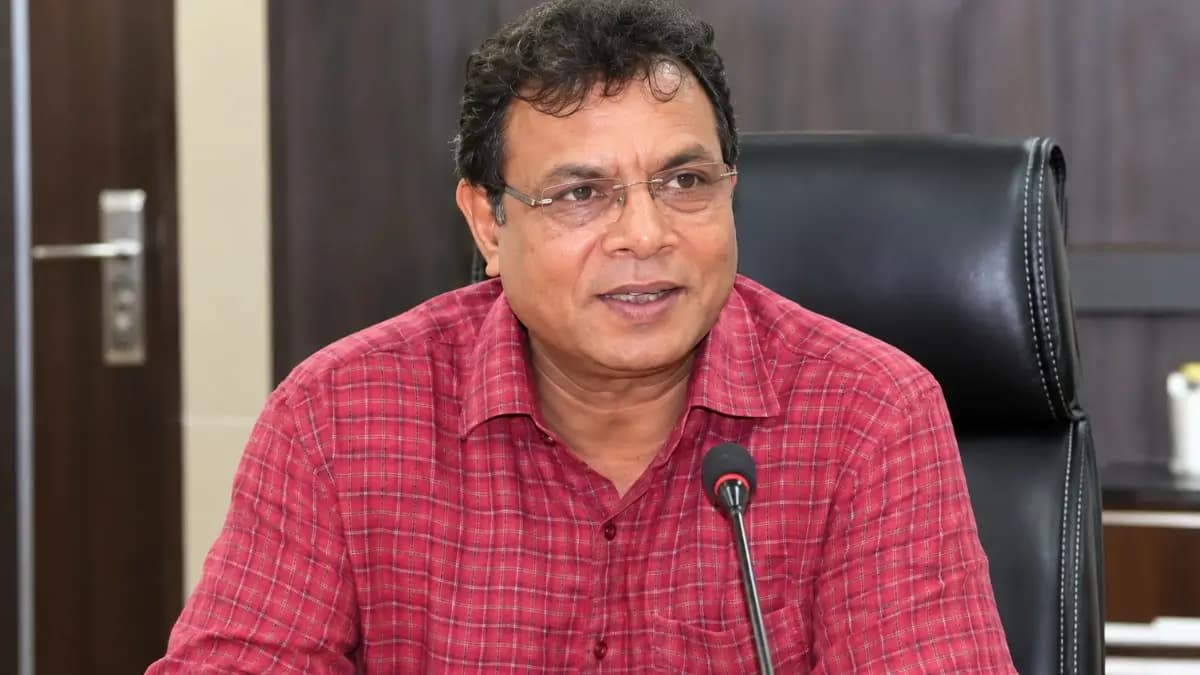
Skill Development, Employment, Entrepreneurship and Innovation Minister Mangal Prabhat Lodha launched the programme’s third phase at Mantralaya on November 23, under Chief Minister Devendra Fadnavis’s guidance.
The third phase offers 26,520 training seats across Maharashtra, with 18,266 trainees already enrolled, reflecting growing participation in employment-oriented vocational education and technology-based skill development programmes.
Additional Chief Secretary Manisha Verma, Commissioner Dr Amit Saini, Directorate of Vocational Education and Training (DVET) Director Satish Suryawanshi and principals of 400 ITIs attended virtually.
Lodha emphasised that academic qualifications must be complemented by practical skills, enabling students to respond effectively to evolving industrial requirements while improving employment and self-employment prospects.
The programme offers certified training sessions of two, three or four hours, allowing students to pursue vocational education alongside regular studies or their existing employment commitments.
Participants who successfully complete their respective courses will receive certificates, supporting their professional development and helping them demonstrate relevant technical competencies to prospective employers across industries.
Besides traditional vocational disciplines, the curriculum includes drone technology, electric vehicles, solar energy, Internet of Things (IoT), artificial intelligence, cybersecurity, HVAC systems and semiconductor technology.
Sant Rohidas STEP Programme: Training Expansion and Funding
Prime Minister Narendra Modi inaugurated the first phase of Maharashtra’s Short-Term Employability Programme (STEP) on October 8, 2025, marking an expansion of the state’s vocational education initiative.
The first phase covered 414 Industrial Training Institutes (ITIs) and 122 Government Technical High School (GTHS) centres, providing training opportunities across different regions of Maharashtra.
According to programme figures, 51,042 trainees enrolled across 1,766 training batches during the first phase, while assessments of 37,981 participants have been completed to date.
The second phase utilised the District Plan Fund, under which 88 training batches received approval and 1,844 trainees enrolled, with training completed in 59 batches.
The third phase comprises 884 training batches, including 67 batches across 56 government technical school centres and 817 batches across 346 Industrial Training Institutes statewide.
Financial provisions for the third phase will be made through the DAKSH fund, with funding requests submitted under the project following completion of trainee registration.
The Maharashtra government aims to integrate traditional vocational education with emerging technologies, develop skilled human resources, strengthen women’s participation and create additional employment and entrepreneurial opportunities.
Also Read: Supreme Court Orders Inquiry Into 3-Year Delay in ED's ₹155 Crore Money Laundering Appeal
Special Vocational Training Courses for Women
Women’s skill development remains a significant component of the initiative, with 7,234 female trainees receiving training opportunities through 260 dedicated batches during the programme’s first phase.
Specialised courses include semiconductor technician, junior software developer and beauty therapist training, providing women with opportunities to acquire professional competencies across technology and service-oriented industries.
Manisha Verma Calls for Stronger ITI Brand and Practical Training
Additional Chief Secretary Manisha Verma stressed that trainees must receive practical exposure from their first day, including opportunities to work directly with materials relevant to their disciplines.
She instructed ITI principals to ensure adequate raw materials, infrastructure and training facilities, reaffirming the government’s commitment to continuing programmes that support employment and self-employment opportunities.
Verma separately cited approximately 12,000 beneficiaries during the first phase and 2,500 through district planning committee funding, without clarifying how these figures relate to overall enrolment.
She also described Maharashtra as the country’s only state consistently conducting such short-term programmes through the participation of institutional teaching staff and external industry experts.
Referring to Prime Minister Narendra Modi’s expectations expressed during a convocation ceremony, Verma emphasised strengthening the ITI brand through high-quality practical education and industry-relevant training.
The next phase of implementation will focus on trainee registration, funding and training delivery, with the programme’s effectiveness ultimately depending on skill acquisition and employment outcomes.