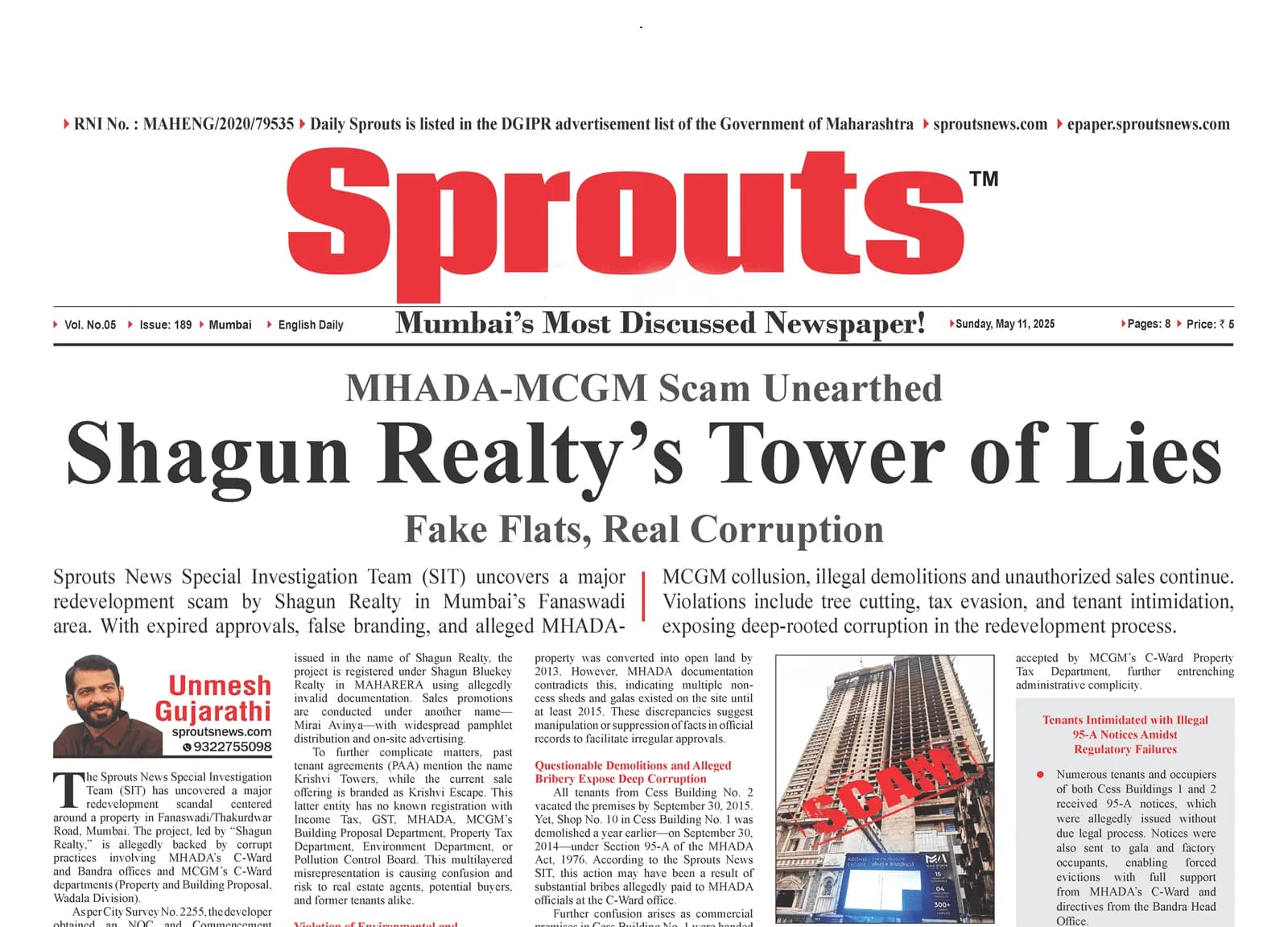
Authorities are examining alleged recruitment and salary irregularities linked to Kalyan College in Maharashtra, where an appointment made in 2013 reportedly bypassed statutory approvals. Despite this, government-aided salary benefits were allegedly released for several years, raising concerns about compliance failures. Investigative inputs suggest that multiple administrative bodies processed salary approvals without adequate verification. The case has drawn attention to systemic gaps in oversight, delayed action on complaints, and the need for stronger accountability mechanisms in aided institutions. The findings could have broader implications for governance and financial transparency in the state’s higher education sector.
Kalyan College Illegal Appointment Case: Salary Irregularities Raise Questions on Maharashtra Education Governance
Kalyan College's illegal appointment case has emerged as a significant governance concern, highlighting alleged recruitment violations, misuse of government-aided salary funds, and administrative lapses within Maharashtra’s higher education regulatory framework.
The issue centres around an alleged appointment made in 2013 at K. M. Agrawal College in Kalyan, where statutory recruitment procedures and mandatory approvals were reportedly not followed.
According to complaints and investigative inputs, the appointment may have bypassed approvals from the Higher Education Department, including required permissions and No Objection Certificates, raising serious compliance concerns.
Despite these alleged procedural violations, the individual reportedly received government-aided salary benefits for several years, indicating possible systemic gaps in verification and approval mechanisms.
Such cases have intensified scrutiny over how public funds are allocated and monitored in aided institutions, especially when recruitment norms are not strictly enforced at the institutional level.
To view the official document, Click Here.
Recruitment Irregularities and Government Salary Approval Process Under Scrutiny
Investigative findings suggest that the aided salary was processed through the Joint Director of Higher Education office in Panvel and the Directorate of Higher Education in Pune.
This has raised critical questions regarding whether due diligence was conducted before granting financial approvals linked to the appointment and whether compliance checks were adequately enforced.
In Maharashtra’s aided college ecosystem, salary approvals depend on sanctioned posts, roster adherence, and prior administrative permissions, making any deviation from these norms a serious administrative lapse.
Experts point out that decentralised approval structures can sometimes create accountability gaps, especially when multiple authorities are involved in validating recruitment and releasing public funds.
The present case reflects a broader concern within the sector, where procedural compliance and financial approvals may not always align, thereby exposing vulnerabilities in institutional governance systems.
Questions Over Supervisory Authorities and Regulatory Oversight Failures
The case has also triggered debate about the role of supervisory authorities responsible for monitoring recruitment compliance and approving salaries across higher education institutions in Maharashtra.
Observers have questioned why regulatory bodies such as the Joint Director’s office and the Directorate of Higher Education did not take timely corrective action despite reports of alleged irregularities.
The absence of decisive intervention has led to growing concerns about administrative reluctance to review past approvals or hold accountable those responsible for lapses in procedure.
Policy experts emphasise that when oversight institutions fail to act promptly, it weakens regulatory credibility and creates an environment where procedural violations may go unchecked.
Ensuring transparency in decision-making and enforcing accountability at every administrative level is considered essential for maintaining trust in publicly funded educational institutions.
Whistleblower Complaints and Delayed Administrative Action Raise Concerns
A whistleblower reportedly filed detailed complaints in 2023 before multiple authorities, including the Joint Director's Office, the Directorate of Higher Education, and Mantralaya in Mumbai.
Despite the gravity of the allegations, no immediate action was taken for nearly three years, raising serious concerns regarding administrative delay and institutional inertia.
Experts argue that such prolonged inaction undermines accountability mechanisms and allows irregularities to persist, thereby weakening governance standards in the education sector.
Following sustained follow-ups and increased public attention, authorities reportedly intervened and halted the government-aided salary linked to the disputed appointment.
During internal inquiry processes, official communications are said to have recorded procedural lapses, further strengthening concerns regarding compliance failures in recruitment and salary approvals.
Ignored Government Directives and Concerns of Possible Administrative Collusion
Developments indicate that the Higher and Technical Education Department at Mantralaya issued directives instructing authorities to take action in the matter.
However, reports suggest that these directives were not effectively implemented, and no substantial penal or recovery action has been initiated against responsible officials or institutional authorities.
This gap between policy direction and enforcement has intensified concerns about accountability and the effectiveness of regulatory oversight in Maharashtra’s higher education system.
There are also apprehensions that efforts may be underway to restore the aided salary despite previously recorded irregularities, raising further questions about administrative intent.
If such developments are confirmed, they could indicate deeper systemic issues, including misuse of authority and potential financial inducements influencing administrative decisions.
Also Read: SEBI Fines Anand Rathi Broker ₹10 Lakh Over Cybersecurity Lapses.
Related News: Shocking Maharashtra Higher Education Scam Exposed in Kalyan.
Broader Governance Concerns and Recurring Institutional Controversies
The present case adds to a series of reported concerns linked to governance practices at the institution, particularly regarding recruitment transparency and financial management in aided posts.
Previous reports have highlighted alleged irregular appointments of non-teaching staff, raising questions about adherence to eligibility criteria and sanctioned staffing norms.
There have also been concerns regarding possible misuse of public funds through irregular salary approvals, pointing towards gaps in audit and compliance monitoring systems.
In another incident that attracted attention, the institution faced criticism over internal management practices involving public display of faculty performance, which raised concerns about workplace ethics.
Additionally, reports have referred to other issues such as examination-related irregularities and academic credential concerns, further contributing to discussions on governance standards.
Why This Case Matters for Public Fund Accountability and Education Policy
The controversy has broader implications for public trust in aided colleges, which depend heavily on government funding and regulatory supervision for their functioning.
Policy analysts highlight that transparency in recruitment and financial management is fundamental to maintaining institutional credibility and safeguarding taxpayer resources.
The case also underscores the importance of timely administrative action, as delays in addressing complaints can erode confidence in regulatory institutions and governance frameworks.
There are increasing calls for an independent investigation, recovery of any wrongly disbursed funds, and strict legal action under anti-corruption and criminal provisions where applicable.
Experts suggest that strengthening digital audit systems, enhancing verification protocols, and improving accountability mechanisms will be critical in preventing similar cases in the future.
Editorial Note on Investigation Status and Legal Position
It is important to note that the allegations referenced are based on complaints, investigative inputs, and administrative records currently under examination by competent authorities.
No final judicial conclusion has been reached at this stage, and the matter remains subject to verification, inquiry, and due legal process under applicable laws.
As investigations continue, the outcome of this case may play a key role in shaping future governance reforms and accountability standards within Maharashtra’s higher education system.
Unmesh Gujarathi, an investigative journalist, has exposed multiple alleged irregularities, including illegal appointments and governance-related concerns in educational institutions.
If you have any information related to scams, frauds, or public interest issues, you are encouraged to come forward and share details (Contact: 9322755098).
Editorial NoteThis article is based on publicly available FIR records, court case references, and reports published by multiple media organisations. The information is presented in the context of ongoing investigations and public interest reporting. Sprouts News does not make any judicial determination regarding the individuals mentioned and does not intend to defame any person or organisation. Any individual seeking clarification or wishing to provide an official response may contact the editorial team with verifiable documentation. The information is presented for journalistic and informational purposes.