The Kanakia Paris CHSL dispute in Bandra East has drawn attention after court proceedings reportedly reflected repeated non-appearance by the Slum Rehabilitation Authority in matters linked to alleged illegal construction enforcement under the Maharashtra Regional and Town Planning Act. The dispute concerns proceedings before the Dindoshi Civil Court connected to alleged unauthorised structures within Kanakia Paris Co-operative Housing Society Ltd. at Bandra-Kurla Complex. Legal observers told Sprouts News that procedural absences by regulatory authorities in enforcement matters may affect the strength of statutory actions and potentially influence interim judicial relief during pending litigation involving disputed constructions.
SRA Non-Appearance in MR&TP Cases Raises Questions Over Enforcement of Illegal Construction Actions in Mumbai and everywhere in India
Court records linked to the Kanakia Paris CHSL dispute in Bandra East have triggered scrutiny over whether repeated non-appearance by the Slum Rehabilitation Authority is weakening MR&TP enforcement proceedings.
The alleged non-appearance of the Slum Rehabilitation Authority in multiple court proceedings linked to enforcement under the Maharashtra Regional and Town Planning Act has raised concerns regarding the effectiveness of regulatory action against alleged illegal constructions in Mumbai.
According to court proceedings reviewed by Sprouts News, questions are now being raised about whether repeated procedural absences by regulatory authorities could inadvertently allow disputed structures to obtain interim judicial protection during pending litigation. Legal experts contacted by Sprouts News said such developments may have broader implications for urban planning enforcement and public accountability.
Kanakia Paris CHSL Matter Draws Attention to Court Proceedings
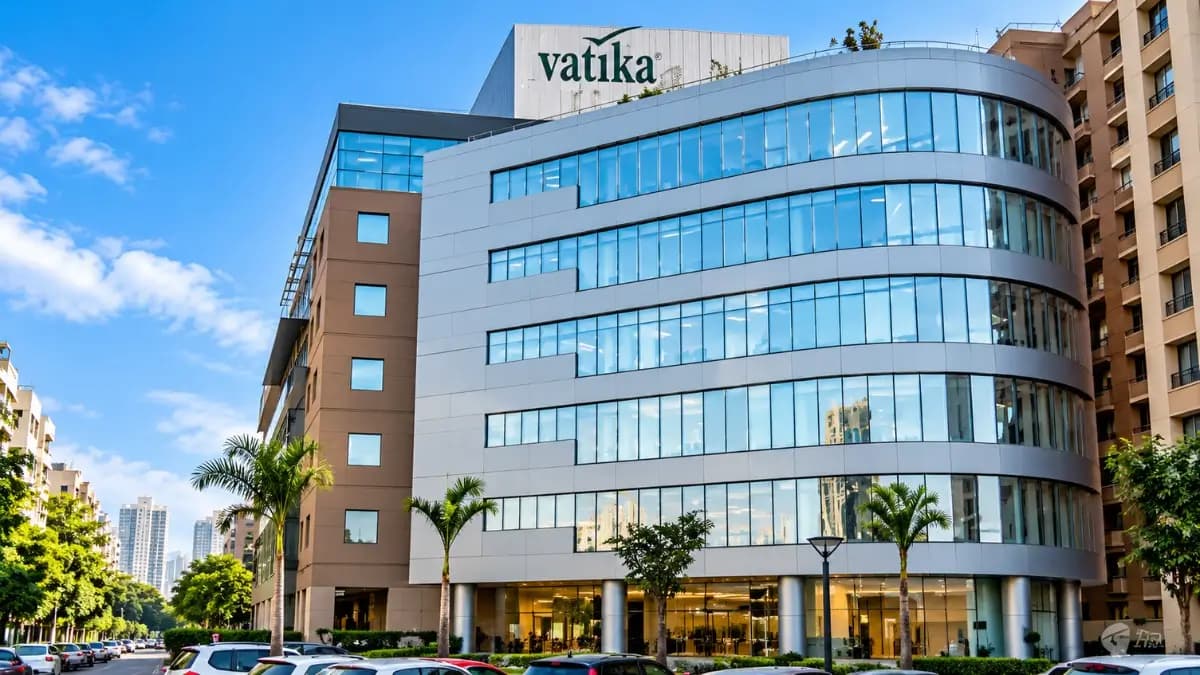
The controversy centres around proceedings involving Kanakia Paris Co-operative Housing Society Ltd., located in Bandra East’s Bandra-Kurla Complex area, where action had reportedly been initiated under provisions of the MR&TP Act following allegations of unauthorised structures and planning violations.
Records referenced in the matter indicate that authorities had allegedly initiated statutory proceedings, including sealing actions and demolition-related measures, after identifying structures that were reportedly constructed without required approvals or in alleged violation of development regulations.
Subsequently, parties linked to the dispute approached the Dindoshi Civil Court seeking interim protection against the enforcement action initiated by the SRA. The matter is presently connected to Civil Suit No. 582/2026 titled Kanakia Paris Co-operative Housing Society Ltd. versus Slum Rehabilitation Authority.
Court proceedings referenced in the case reportedly took place on March 26, April 9, April 30, and May 7, 2026, with the next hearing scheduled for June 12, 2026. Observers examining the proceedings have pointed to repeated references allegedly recording absence on behalf of the defendant authority.
Also Read: Tehsildar Arrested In ₹150 Crore Nashik MHADA Land Scam.
Related News: Kanakia Paris Row: 1,500 Residents Raise Health Concerns.
Legal Experts Raise Concerns Over Enforcement Gaps
Legal practitioners familiar with urban development litigation state that regulatory authorities are generally expected to defend enforcement actions through affidavits, inspection reports, and legal submissions once demolition or sealing proceedings are challenged before courts.
According to lawyers tracking MR&TP-related litigation in Maharashtra, prolonged non-participation by an enforcement authority during stay proceedings may create procedural disadvantages, particularly where only one side presents arguments before interim orders are considered.
Some experts caution against drawing premature conclusions regarding institutional intent, noting that administrative delays, coordination gaps, or procedural backlogs may also contribute to adjournments or non-appearance in complex urban litigation matters.
However, critics argue that repeated absence in sensitive enforcement matters risks weakening public confidence in planning regulation, especially where authorities themselves had earlier initiated action citing alleged statutory violations.
Related News: Shocking ₹8 Crore Flats Poisoned by Contaminated Water!
Broader Debate Emerges Around MR&TP Enforcement Mechanisms
The controversy has triggered wider debate regarding the implementation of the MR&TP Act, considered one of Maharashtra’s principal legal frameworks governing urban planning, unauthorised construction control, and land-use regulation.
Urban governance observers warn that if enforcement actions are not consistently defended before courts, interim protections granted during litigation may continue for extended periods, allowing disputed structures to remain operational while proceedings remain pending.
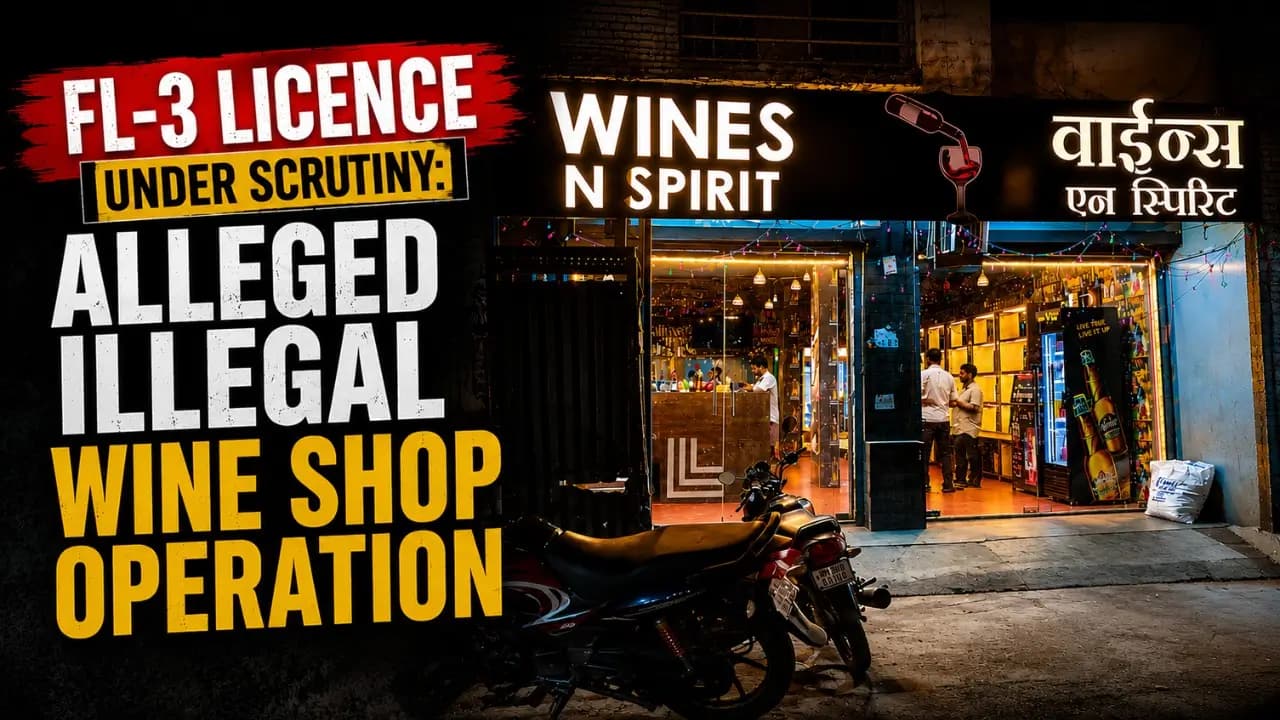
Some housing activists and residents’ groups have alleged that certain categories of disputed structures are increasingly being presented under alternative classifications, including wellness, fitness, or recreational usage, while seeking regularisation approvals through administrative processes.
No official finding has yet established wrongdoing, collusion, or deliberate institutional non-participation by the SRA in the present matter. Sprouts News has not independently verified whether any internal policy exists regarding legal representation in such proceedings.
The developments have nevertheless prompted calls for greater transparency from the Maharashtra Urban Development Department, anti-corruption authorities, judicial oversight bodies, and senior state officials regarding the handling of MR&TP enforcement litigation.
As the Kanakia Paris matter proceeds before the Dindoshi Civil Court, legal experts say the case may become an important reference point in ongoing debates surrounding regulatory accountability, urban planning enforcement, and the future credibility of anti-illegal construction mechanisms in Mumbai.
Kanakia Paris Co-operative Housing Society Ltd. has remained under public and regulatory scrutiny over multiple controversies linked to governance, infrastructure management, and alleged compliance violations within the Bandra Kurla Complex residential project. One of the most serious disputes emerged after residents alleged prolonged exposure to contaminated water and suppression of critical laboratory reports concerning water quality inside the society's premises.
According to complaints previously reviewed by Sprouts News, residents accused Godrej Living, Zipgrid, and certain managing committee members of allegedly concealing water contamination findings despite test reports reportedly detecting E-Coliform bacteria at multiple locations. Residents further alleged delayed disclosure of reports, selective circulation of “clean” test results, and failure to adequately warn occupants, commercial establishments, and visitors regarding potential health risks.
The controversy also included allegations regarding Sewage Treatment Plant maintenance issues, delayed tank cleaning, governance disputes, parking-related complaints, pending Occupation Certificate concerns, and alleged violations linked to amenities reportedly sealed under MR&TP proceedings. Separate concerns were also raised regarding fire compliance and ongoing Section 83 inquiry proceedings under cooperative housing regulations. At the time of publication, investigations and regulatory proceedings connected to these allegations remained subject to official verification and due legal process.
Systematically murdering justice and the law
What makes the controversy even more explosive is the timing of SRA Legal’s silence. Sources tracking the proceedings point out that senior and widely respected SRA officer Mr. D. B. Patil — regarded by many as one of the few officers who consistently pursued enforcement under the MR&TP Act — is due to retire this month. Yet, despite the SRA itself having initiated statutory action and issued notices in the matter, the authority astonishingly failed to appear for as many as six consecutive hearings.
The next and crucial 7th hearing is scheduled for June 12, 2026, by which time Mr. Patil would have already retired. Critics now fear that the institutional vacuum created thereafter could pave the way for what residents describe as a “rogue regularisation regime,” where alleged illegalities are quietly sanitised through procedural silence, administrative inaction, and strategic legal absences.
The larger question now being whispered across urban governance circles is deeply unsettling: Is the SRA leadership deliberately allowing extraordinary illegalities to be regularised by ensuring non-participation in court proceedings? Or does this case expose something even more disturbing — a systemic nexus between civic authorities, urban planning regulators, developers, and entrenched local interests?
For many residents and activists, the Kanakia Paris dispute is no longer just a housing society controversy. It is increasingly being viewed as a case study in how the common citizen’s voice can allegedly be neutralised within Mumbai’s urban regulatory ecosystem — where complaints are delayed, enforcement is diluted, hearings are unattended, and accountability is ultimately buried beneath bureaucracy and influence.
If proven, the implications extend far beyond a single society dispute. The matter strikes at the very credibility of Maharashtra’s urban planning enforcement framework and raises serious concerns over whether the MR&TP Act is being implemented uniformly — or selectively manipulated to benefit powerful interests while ordinary citizens are left to fight a collapsing system alone. Whistleblowers are targeted, tarnished and at times eliminated !!
Hope the Governor of Maharashtra and Chief Minister of Maharashtra are reading and listening - why honest officers don’t act ? and how honest citizens' voices are killed?
Unmesh Gujarathi and Investigative Team Contact
Readers, whistleblowers, residents, officials, or insiders possessing verified documents, photographs, recordings, court filings, regulatory records, or information related to Kanakia Paris CHSL, MR&TP proceedings, redevelopment disputes, water contamination allegations, or public safety concerns may confidentially contact the Sprouts News investigative team at 9322755098 for further review and investigation.
Editorial Note:
This article is based on publicly available FIR records, court case references, and reports published by multiple media organisations. The information is presented in the context of ongoing investigations and public interest reporting. Sprouts News does not make any judicial determination regarding the individuals mentioned and does not intend to defame any person or organisation. Any individual seeking clarification or wishing to provide an official response may contact the editorial team with verifiable documentation. The information is presented for journalistic and informational purposes.