G7 nations have agreed to coordinate the release of 100 million barrels of diesel and crude oil from emergency reserves over four months through the International Energy Agency. A substantial portion of the diesel is to be released within the first 20 days as governments respond to tight fuel supplies and elevated prices. The agreement followed US pressure for European countries to draw down reserves and concerns over a potential US diesel export ban. The G7 also pledged to refrain from energy export restrictions between participating countries.
G7 Agrees to Massive Diesel and Oil Release After Trump Export Ban Threat
The G7 agreed to release as much as 100 million barrels of crude oil and diesel over four months, with large diesel supplies to be made available within 20 days.
G7 Will Tap Emergency Reserves for up to 100 Million Barrels of Oil and Diesel to be Released Immediately Across Participating Countries as Supply Concerns Worsen
The package, unveiled following a meeting of leaders chaired by French President Emmanuel Macron, aims to ease supply constraints and stabilise fuel markets amid heightened disruption.
The Group of Seven (G7) includes the United States, United Kingdom, Canada, Japan, Germany, Italy and France, with the European Union also taking part in meetings with members.
The release, which will involve both diesel and crude oil, will be co-ordinated by the International Energy Agency, and diesel will be prioritised during the first 20 days, G7 leaders said.
The remainder of the supplies will be released over the next four months, and officials are expected to discuss further diesel releases if market conditions call for more intervention by participating governments.
Macron said the move should reduce petroleum product prices, especially diesel, while British Foreign Secretary Ed Miliband said it would strengthen supply chains and protect consumers.
Trump pressure preceded the G7 diesel reserves agreement
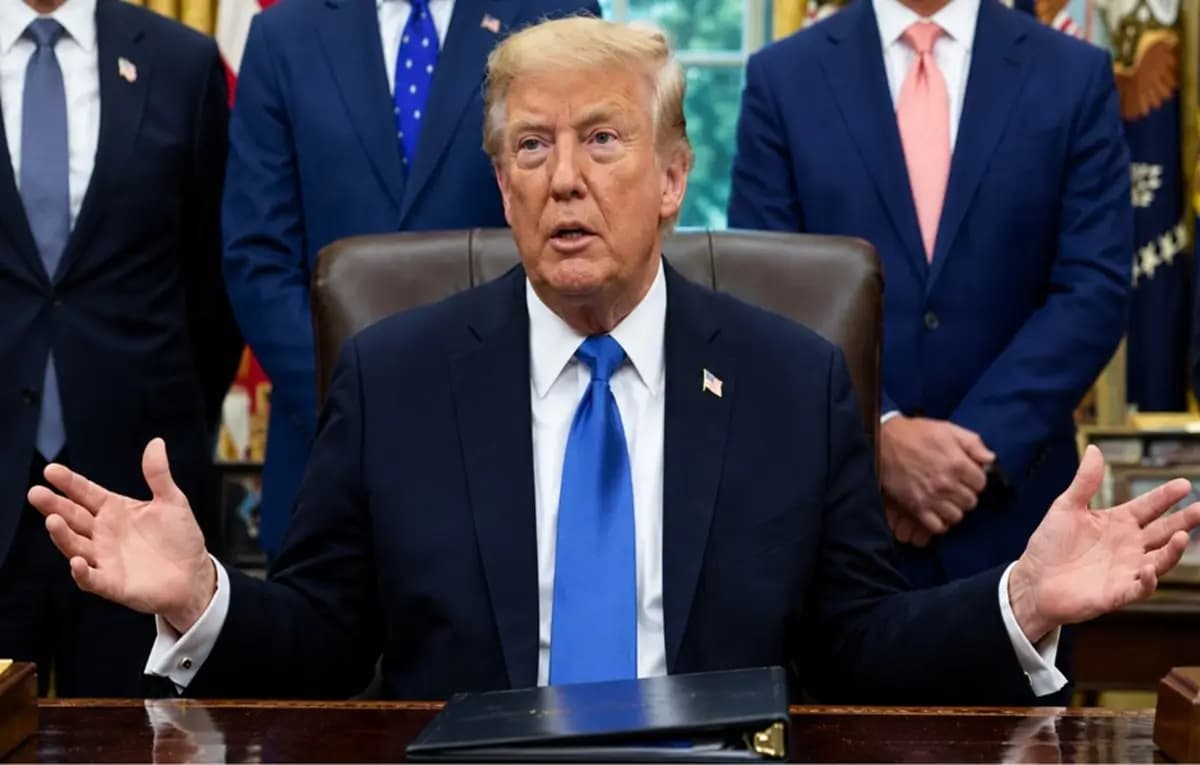
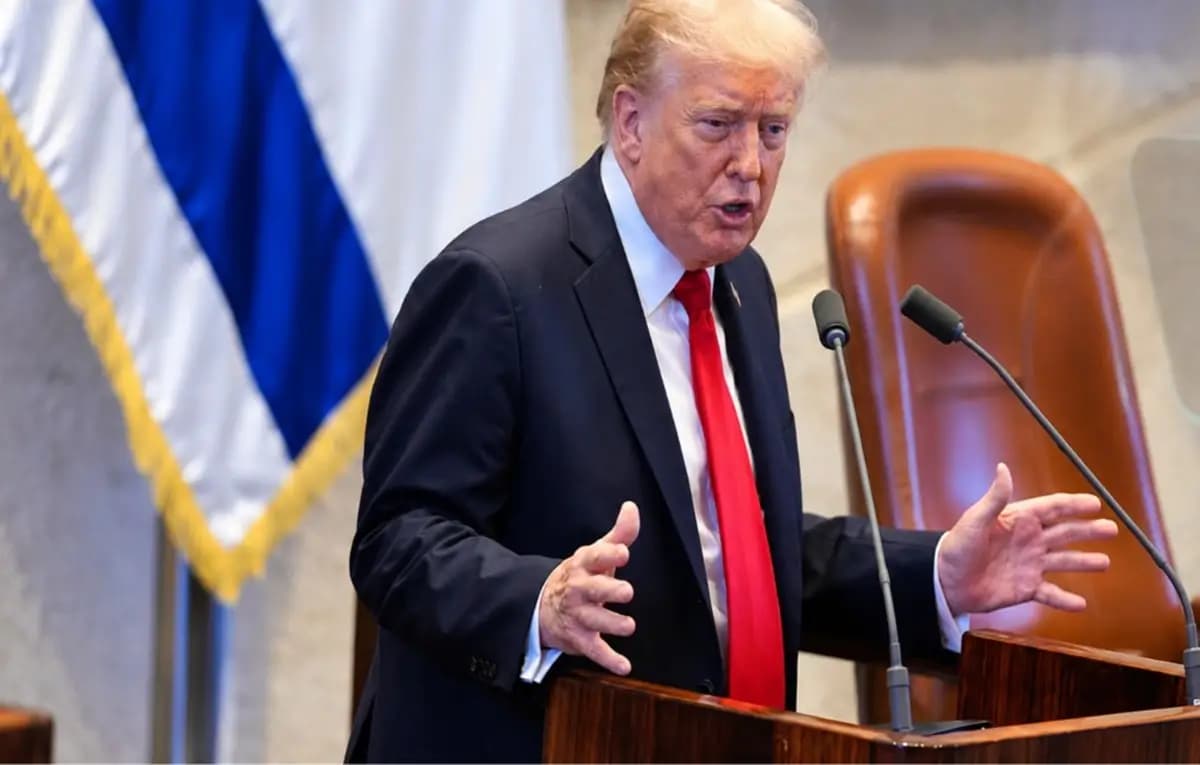
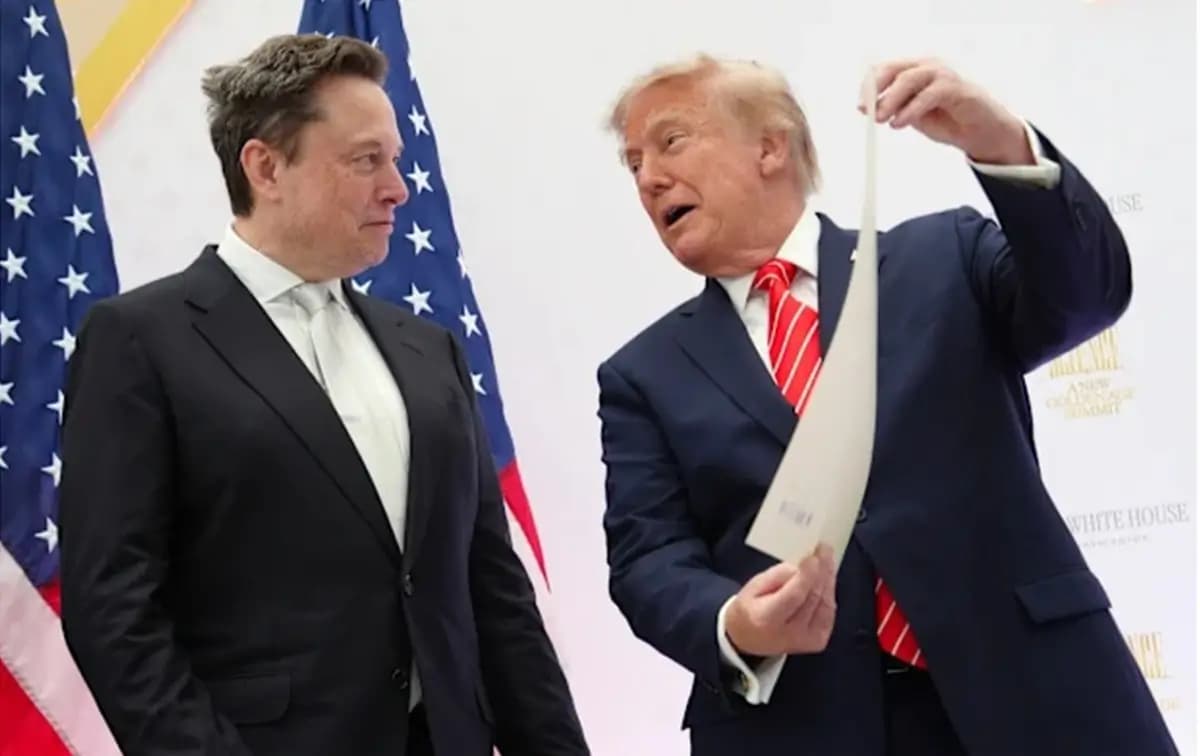
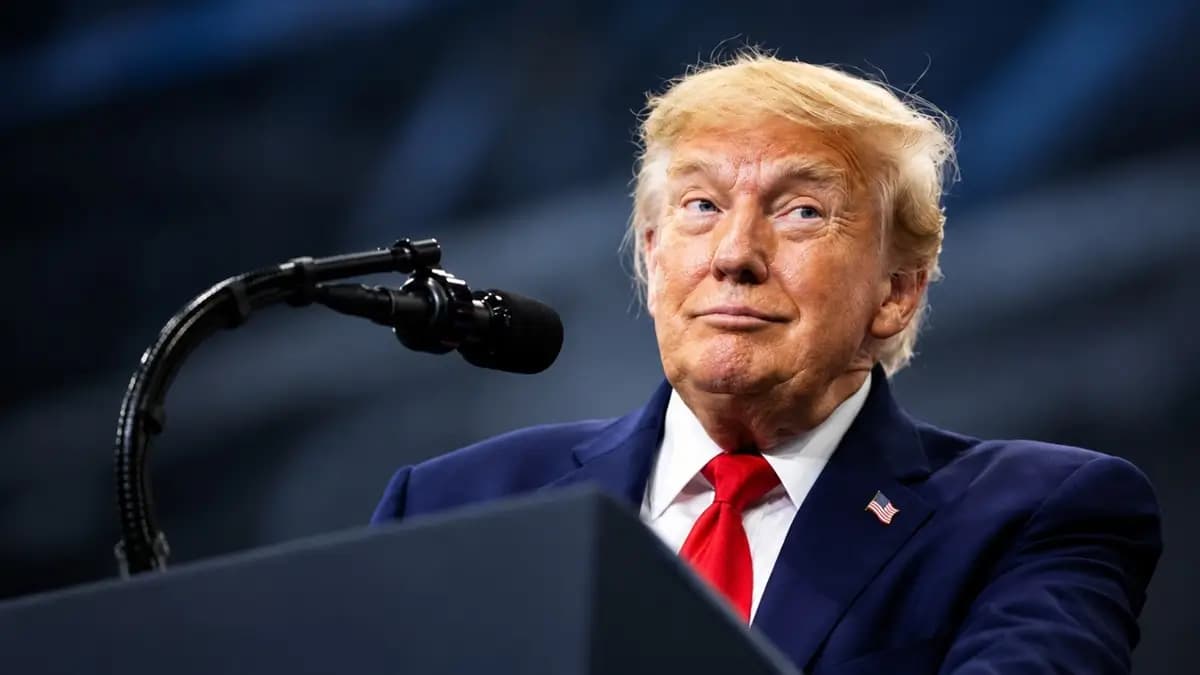
The deal followed pressure from US President Donald Trump, who had threatened to ban American diesel exports unless European countries released more of their own reserves.
Later, Trump said Europe had agreed to release a huge amount of heavily stocked diesel, but Treasury Secretary Scott Bessent argued American farmers, truckers and businesses needed relief.
At the White House, Trump said an export ban had never really been on the table and called Europe’s reserve release a “big thing”.
Trump had backed a diesel export ban early last week and was still considering the measure on Thursday as his administration pressed Europe to release supplies.
The pressure comes as international diesel supplies are tight due to conflict in the Middle East, reduced supplies from Russia and China and refinery disruptions.
Brent crude briefly dropped below $100 before trading around $102 on Friday, Reuters reported. Brent traded near $73 before the US and Israel invaded Iran.
Also Read: Mumbai Book Festival 2026 Set for November 24–29 at Kalina Campus
Related News: G7 Diesel Stocks Release Targets 100 Million Barrels Amid Shortage
Diesel supply remains vulnerable to geopolitical disruption
The higher prices were partly because of the renewed strikes by Saudi Arabia and the Houthis and concerns about security at Bab-Al-Mandeb, commodities research director at Kpler, Matt Smith, said.
Diesel powers haulage and agriculture, so a sustained rise can push up transport costs and spill over into prices for essentials such as food in major economies.
The UK is especially vulnerable. Pump prices passed £2 a litre on Friday; more than half of the nation’s diesel supply is imported, and 31% of that comes from America.
According to the Energy Information Administration, US refineries produce four to five million barrels a day, while Americans consume about 3.6 million barrels a day, leaving substantial exports.
With exports running about 1.2 million to 1.5 million barrels a day, the United States is a major international supplier of diesel, and there is concern about possible restrictions.
European countries resisted a US ban on exports. G7 leaders agreed to coordinate refinery maintenance, encourage higher diesel refining, and keep sanctions against Russia.
Russia has cut diesel exports after Ukrainian attacks on refineries and the Middle East conflict disrupted flows of crude and refined products, adding to pressure on global markets.
For Sprouts News, the immediate question is whether the reserve releases can provide sustained price relief without undermining emergency stockpiles needed for future supply shocks.
The IEA will oversee implementation and market impacts and will issue a follow-up report within 20 days with recommendations on future responses and replenishment of reserves.