Iranian President Masoud Pezeshkian has rejected allegations that Tehran pursued a policy to assassinate US President Donald Trump. The comments came after Pezeshkian’s appearance at the United Nations General Assembly, amid continuing tensions between Washington and Tehran. US authorities have previously announced legal actions linked to alleged Iranian assassination threats against Trump, while Iranian officials have denied involvement. Pezeshkian has also maintained that Iran remains open to diplomacy with Washington, even as disagreements over the nuclear programme and regional security continue.
Iran President Masoud Pezeshkian Rejects Trump Assassination Claims, Responds to US Allegations
Iranian President Masoud Pezeshkian has dismissed claims that Tehran sought to assassinate the United States President Donald Trump. US officials, meanwhile, continue to refer to intelligence and legal moves against alleged Iranian threats.
Iranian President Masoud Pezeshkian has denied the allegations that Tehran was planning to assassinate US President Donald Trump, saying Iran has never sought such a policy, publicly or secretly.
A day after addressing the United Nations General Assembly, Masoud Pezeshkian spoke about regional conflicts, Iran’s nuclear program and domestic issues in a wide-ranging briefing that drew international attention.
The Iranian president directly responded to longstanding accusations by Washington and Trump of threats against the US leader, saying that claims of an assassination policy do not match Iran’s official position.
Masoud Pezeshkian told reporters after his UN appearance that the Iranian government “has never been in the position” either publicly or secretly, to seek the assassination of Donald Trump or members of his family.
The comments come amid ongoing tensions between Tehran and Washington, with security concerns, regional conflicts and nuclear negotiations remaining some of the most significant points of disagreement between both governments.
Trump Assassination Allegations Remain Point of US-Iran Tension
The subject has stayed at the top of US national security discussions in the wake of several intelligence reports and legal moves concerning alleged threats from Iran.
The US Secret Service said last month it was aware of a video broadcast by Iran’s state broadcaster that appeared to threaten Barron Trump, President Donald Trump’s youngest son.
That followed intelligence reportedly shared by Israel with the United States that indicated Iran had developed a plan to target Donald Trump, CNN reporting cited.
In late 2024, the US Department of Justice announced federal charges in connection with what officials said was an Iranian plot to assassinate Donald Trump ahead of the presidential election.
US officials have repeatedly warned of alleged Iranian threats against current and former US officials, particularly amid years-long heightened tensions between the two countries.
Iran, for its part, has always denied involvement in assassination plots against Donald Trump, claiming accusations are politically motivated and not supported by publicly available evidence.
According to a report by Sprouts News, Masoud Pezeshkian’s latest comments are one of the clearest public denials ever issued by the Iranian president since he took office.
Also Read: itel ACE 4 Shine Launched in India at Rs 1,059 With 8-Day Battery Life
White House Responds as Broader Security Concerns Persist
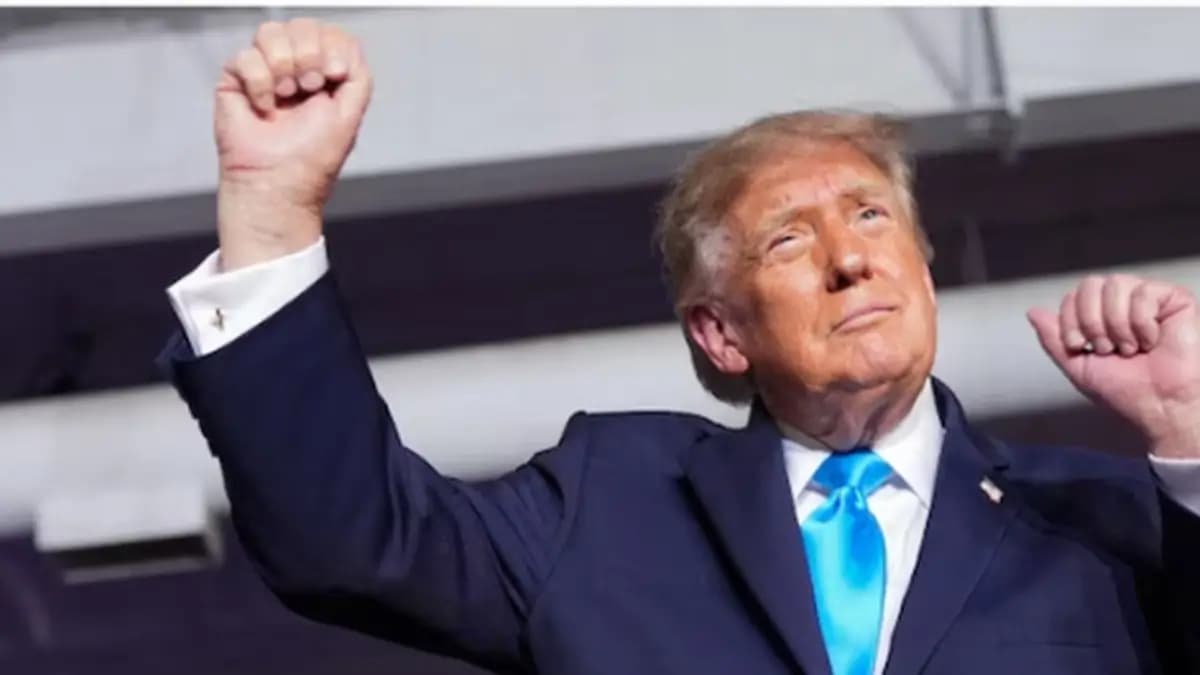
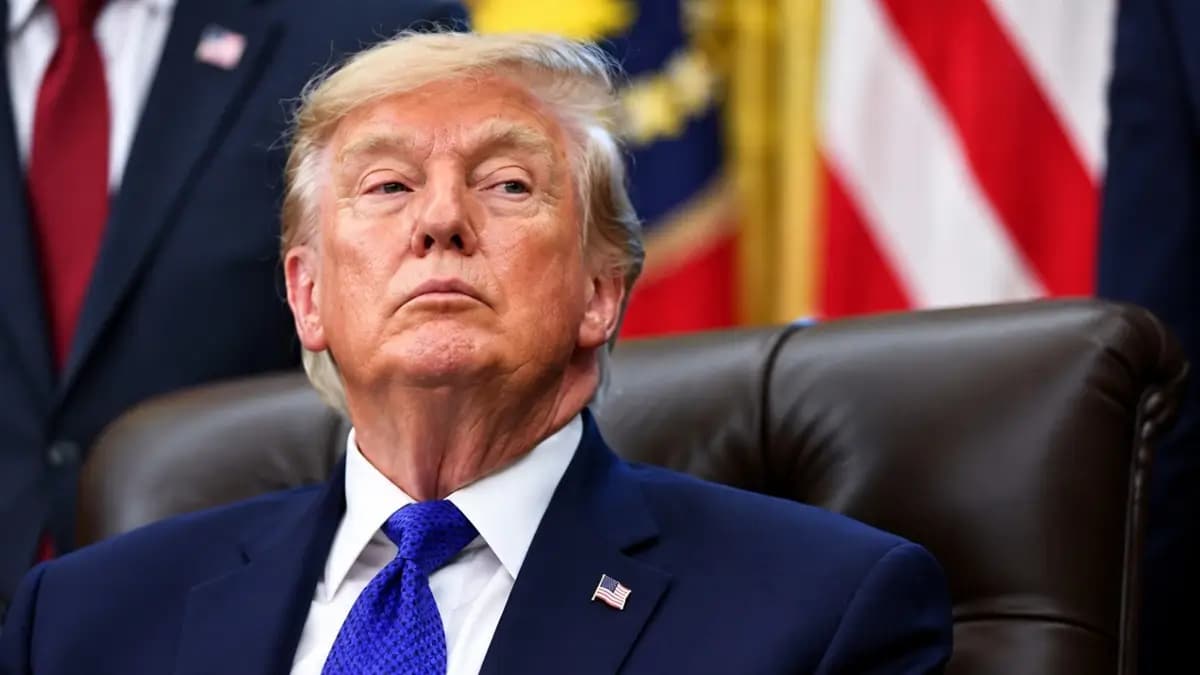
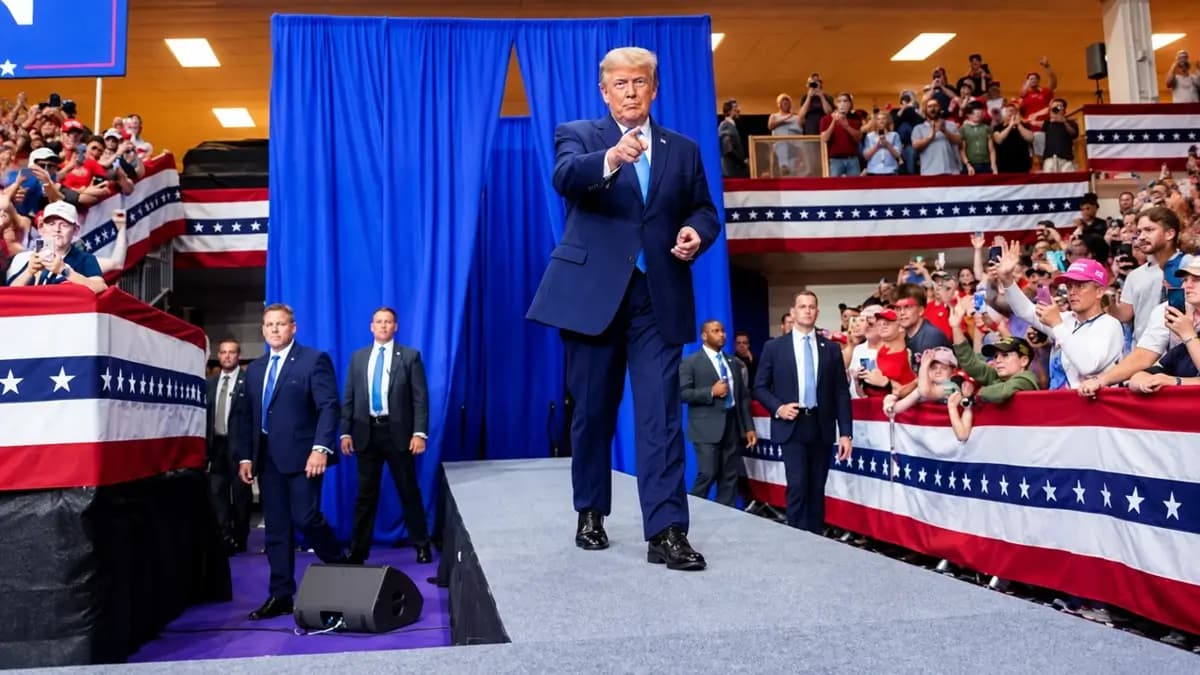
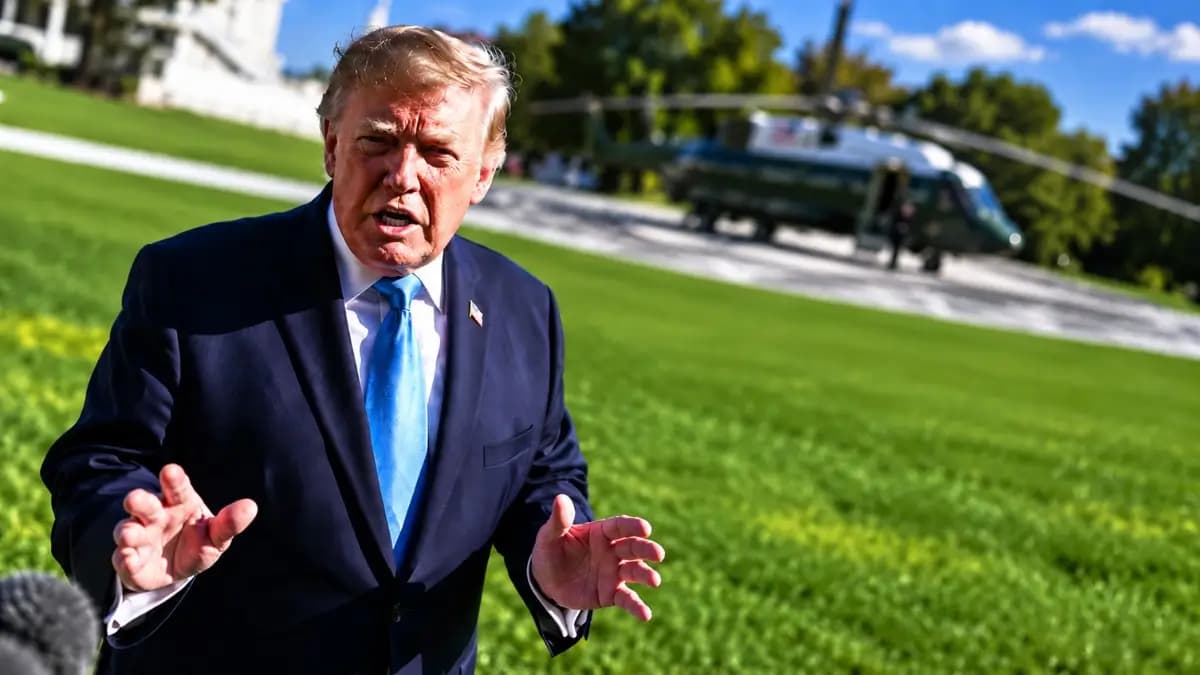
Donald Trump has also spoken publicly about threats to his life and the security risks of escalating tensions with Iran and other regional actors.
Donald Trump said earlier this year he was aware of threats against him and said he was fortunate to have remained safe despite ongoing concerns.
The White House strongly denounced remarks by Masoud Pezeshkian, pointing to Iran's overall record and longstanding concerns that successive US administrations have raised about Tehran's actions.
Donald Trump has also spoken publicly about threats to his life and the security risks of raising the stakes with Iran and other regional players.
Earlier this year, Donald Trump said he knew about threats against him and said he was lucky to be safe despite continued concerns.
The White House sharply condemned Masoud Pezeshkian's remarks, citing Iran’s overall record and longstanding concerns that successive U.S. administrations have raised about Tehran's behaviour.
During funeral events for the late Ayatollah Ali Khamenei in July, some regime supporters were reportedly seen carrying posters displaying anti-Trump slogans, further fuelling international concern.
While Masoud Pezeshkian has categorically denied any Iranian government role in assassination efforts, the issue is likely to remain a significant factor in already strained US-Iran relations.