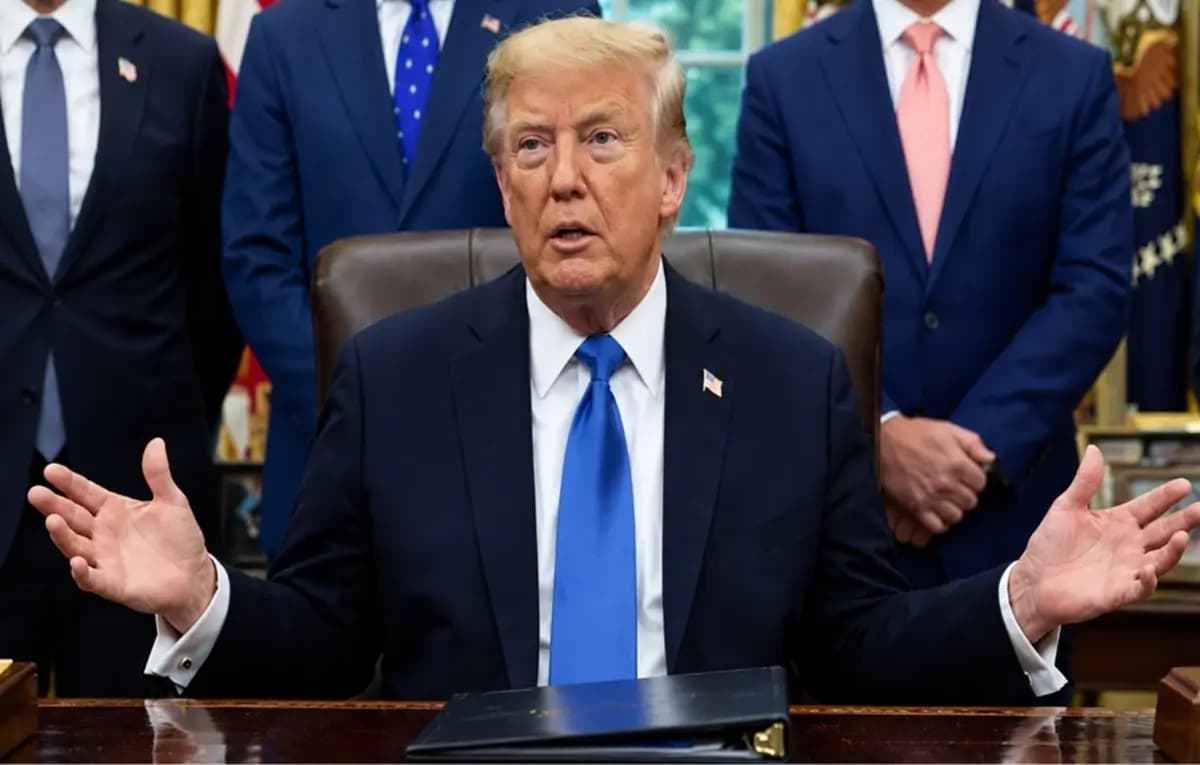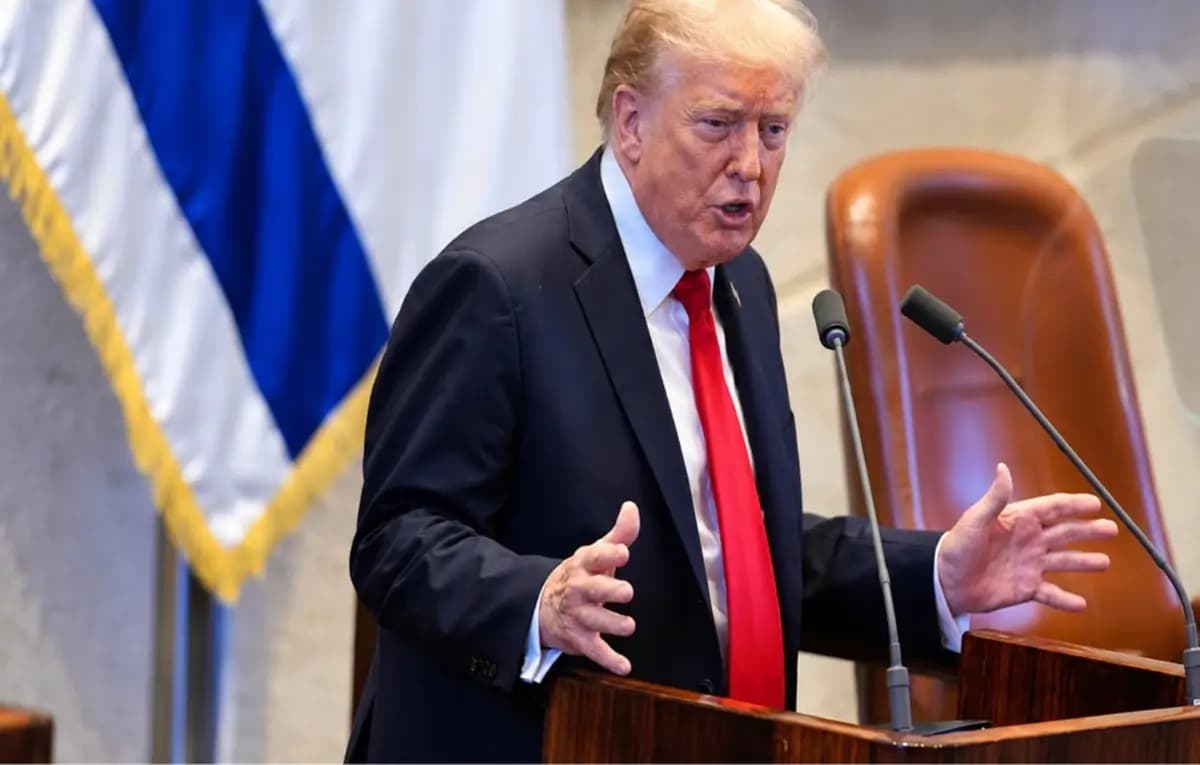
US President Donald Trump and Israeli Prime Minister Benjamin Netanyahu face major political setbacks as the Iran war remains unresolved. Democrats reportedly secured control of both chambers of Congress in the November 3 midterm elections, while Netanyahu's bloc fell short of a parliamentary majority in Israel. With renewed military tensions near the Strait of Hormuz and diplomatic negotiations continuing, the election outcomes could reshape both leaders' political strategies and influence future decisions on the Iran conflict.
Trump and Netanyahu Face Election Setbacks as Iran War Enters Uncertain Phase
Donald Trump has lost Congress, and Benjamin Netanyahu is stuck in a coalition deadlock in Israel. Their domestic political setbacks could reshape the next phase of the Iran war.
Trump-Netanyahu Iran War hits new political inflexion point with voters dealing major defeats to both leaders, raising questions about the future of their military campaign against Tehran.
Democrats won control of both houses of Congress in the US midterm elections on November 3, 2026, while Israel's elections on October 27 left Netanyahu's political bloc short of a parliamentary majority.
The developments come months after the killing of Iran’s supreme leader, Ayatollah Ali Khamenei. The fighting has not produced a clear outcome or lasting diplomatic solution, despite continued military operations.
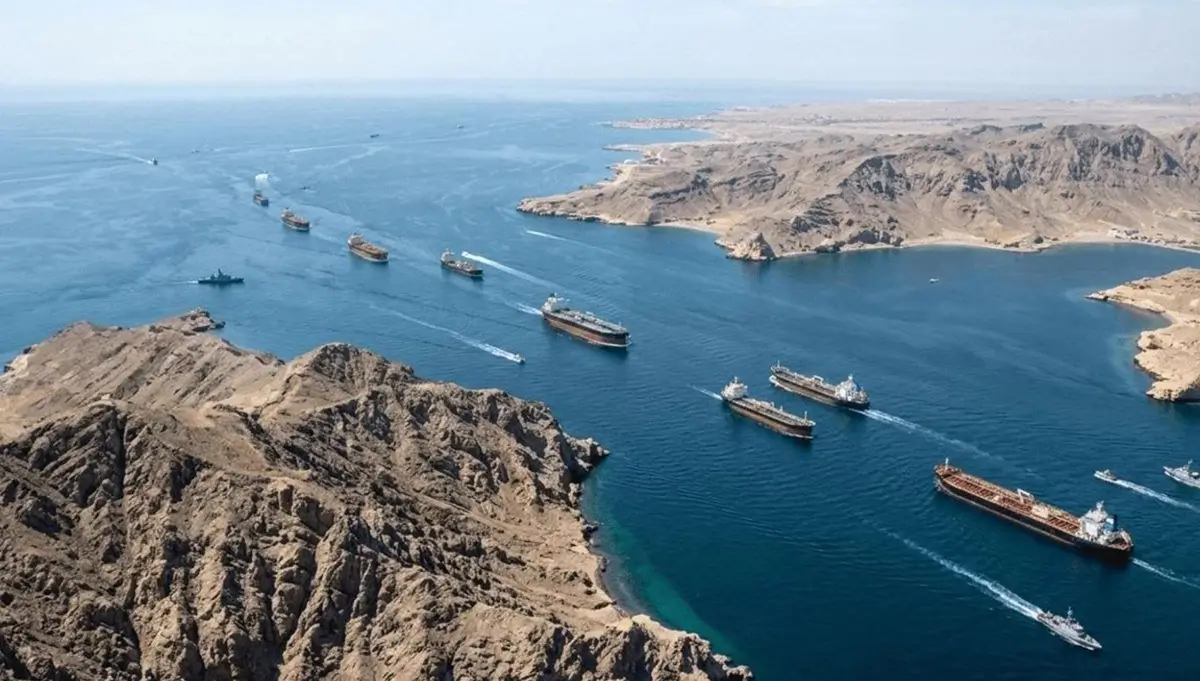
Tensions spiked after the US carried out strikes near the Strait of Hormuz on November 2, just days before American voters headed to the polls. Meanwhile, diplomatic overtures continued to shuttle between Washington and Tehran through regional mediators.
Trump Loses Congress as Democrats Secure Midterm Victory
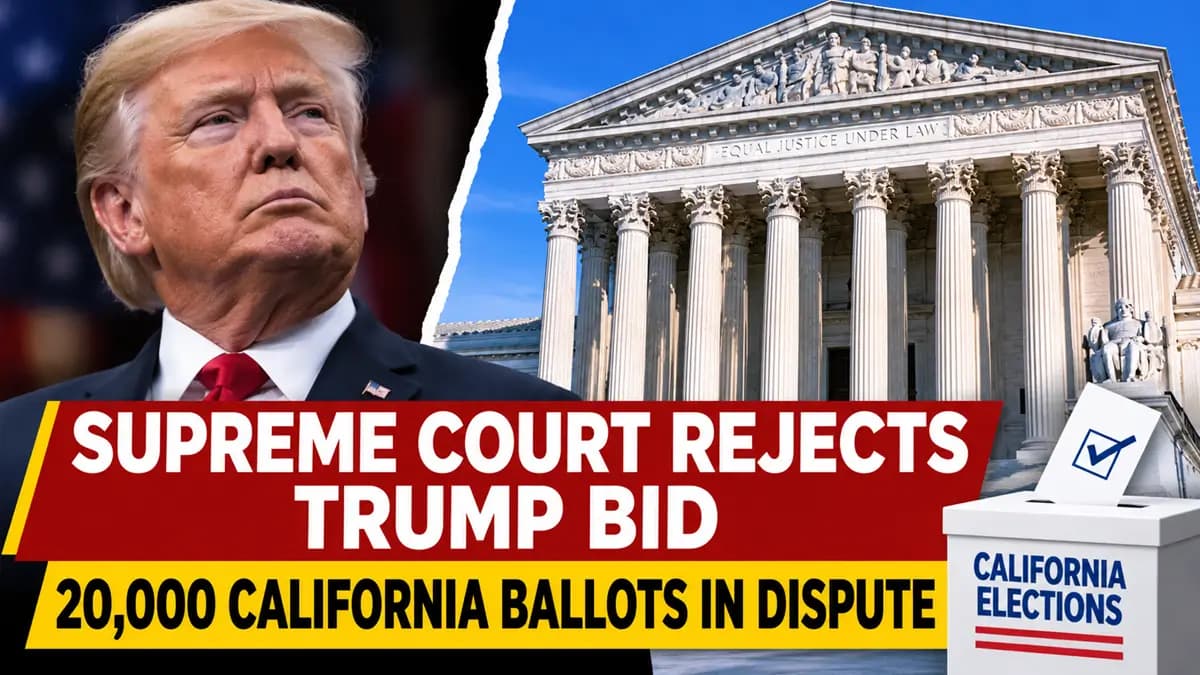
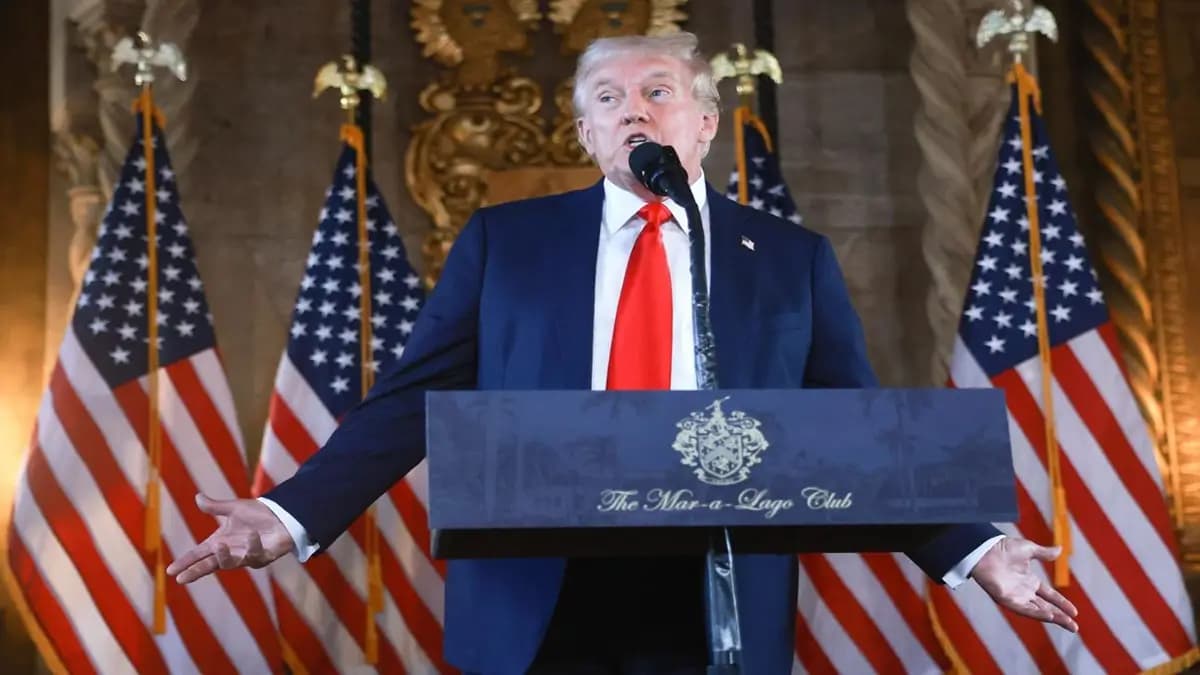
The November 3 elections handed control of the House of Representatives and Senate to Democrats, a major setback for Trump’s Republican administration.
The Associated Press reported that Democrats flipped at least seven Senate seats in Kansas, Iowa, Texas, Ohio, Maine, North Carolina and South Carolina. They also captured more than two dozen House districts.
Big wins included James Talarico’s defeat of Ken Paxton in Texas, making him the state’s first Democratic senator since 1988. Annie Andrews won over Darline Graham in South Carolina.
In Kansas, Adam Hamilton beat incumbent Roger Marshall. In Iowa, Josh Turek defeated Ashley Hinson. In Ohio, former senator Sherrod Brown won over the incumbent Jon Husted.
Former North Carolina Gov. Roy Cooper defeated Michael Whatley. The Democrats also held onto seats as Jon Ossoff won re-election in Georgia and Chris Pappas defeated John Sununu in New Hampshire.
Talarico celebrated his victory by telling supporters, “We just took back Texas.” He also called for political unity, not hostility to neighbours.
Democrats also recorded gubernatorial victories. Keisha Lance Bottoms won Georgia, becoming the first Black woman elected governor in the US.
Ohio’s Amy Acton defeated Trump-endorsed Vivek Ramaswamy, Iowa’s Rob Sand won, and Texas’ Gina Hinojosa beat Greg Abbott to become the state’s first Latina governor. Aaron Ford also took Nevada away from Joe Lombardo.
Indian-American candidates performed strongly. Suhas Subramanyam held onto his seat in the Virginia House, Pia Dandiya won in Florida’s 22nd Congressional District, and Maryland Lt. Gov. Aruna Miller won re-election with Wes Moore.
The new Congress will take office in January, giving Democrats new powers to investigate Trump’s decisions, hold hearings, and scrutinise military spending. But Congress can't just end the war.
Trump dismissed the election loss, saying he would have won in a landslide if his name had been on the ballot. He admitted to Iranian interference in Republican losses, but defended military attacks.
Exit polls suggested economic issues were the key determinant of voting behaviour, with nearly nine out of ten voters saying the cost of living was important. About six in ten also believed the decision to go to war with Iran was wrong.
Iran War and Strait of Hormuz Strikes Raise Escalation Concerns
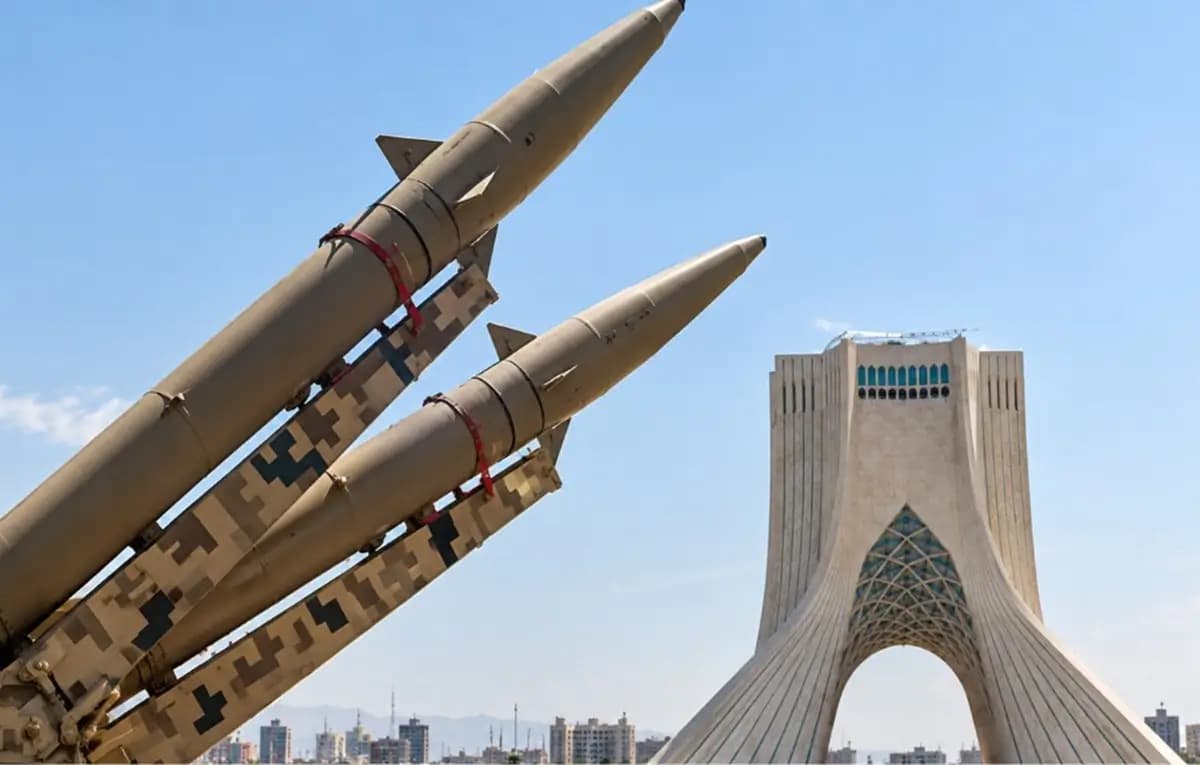
The Associated Press reported that American forces carried out limited strikes against Iranian targets near the Strait of Hormuz on Nov. 2. US officials characterised the operation as defensive.
Blasts were heard on Qeshm and Hengam islands and off Bandar Abbas, Iranian state media said. Trump called the operation a minor attack, saying it was not war.
Diplomatic dialogue remains difficult. Iran wants Washington to end its naval blockade, ease oil sanctions and consider a ceasefire that would include Lebanon. It was said that Qatar mediated proposals to the two governments.
Iranian Parliament Speaker Mohammad Bagher Qalibaf warned Washington against renewed hostilities, saying: “The ball is now in America’s court to prevent war.” Vice President JD Vance said he was optimistic for a negotiated settlement.
Also Read: Ex-Lodha Director Rajendra Lodha Booked in South Mumbai Property Fraud Case
Netanyahu Faces Coalition Deadlock After Israel Elections
In the Oct. 27 elections in Israel, Netanyahu’s political bloc secured 53 of the 120 seats in the Knesset, not enough to form a parliamentary majority, which requires 61 seats.
The opposition bloc led by Gadi Eisenkot won 48 seats, while Arab-led parties won 19 seats in total. Netanyahu’s Likud party was still the largest single party with 27 seats.
President Isaac Herzog is required to consult with political parties before selecting a candidate to try to form a government. Meanwhile, Netanyahu remains prime minister during coalition negotiations.
The election results also sparked claims of irregularities. Netanyahu accused Arab-led parties of electoral misconduct; Eisenkot denied the claims and accused him of harming democratic legitimacy.
Herzog accused Netanyahu of smearing an entire community. Israeli election officials have denied requests to delay certification, without any demonstrated evidence of widespread fraud that could alter the final result.
Could Political Pressure Push Trump and Netanyahu Towards Another Iran Offensive?
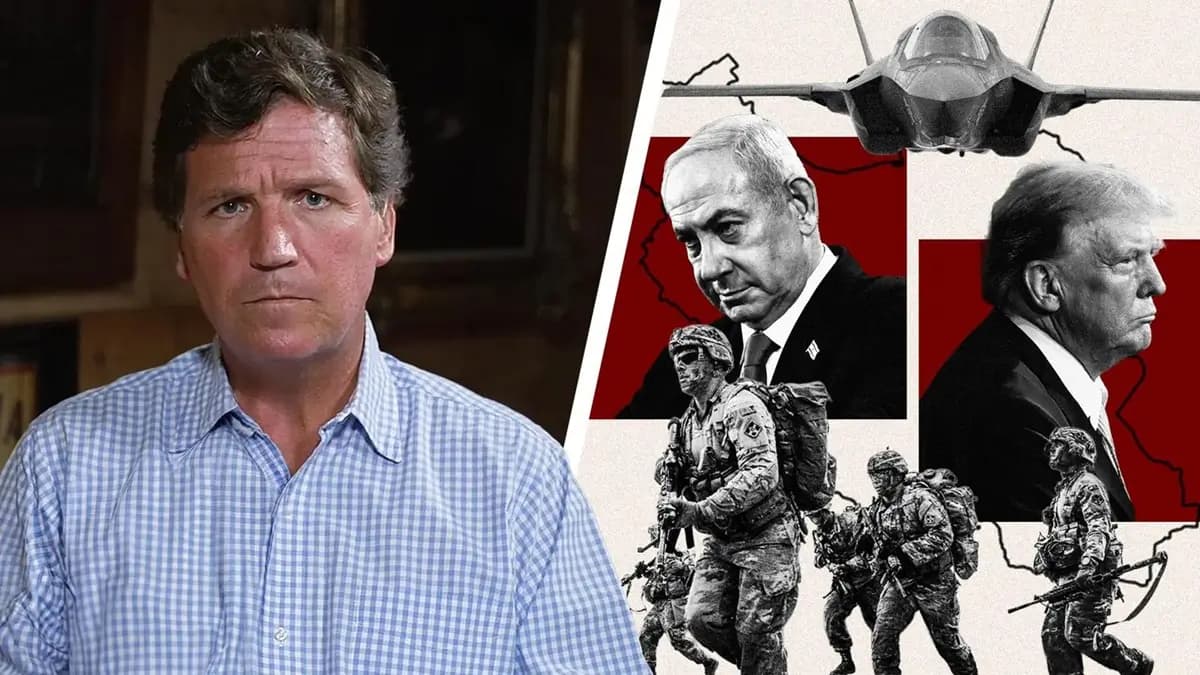
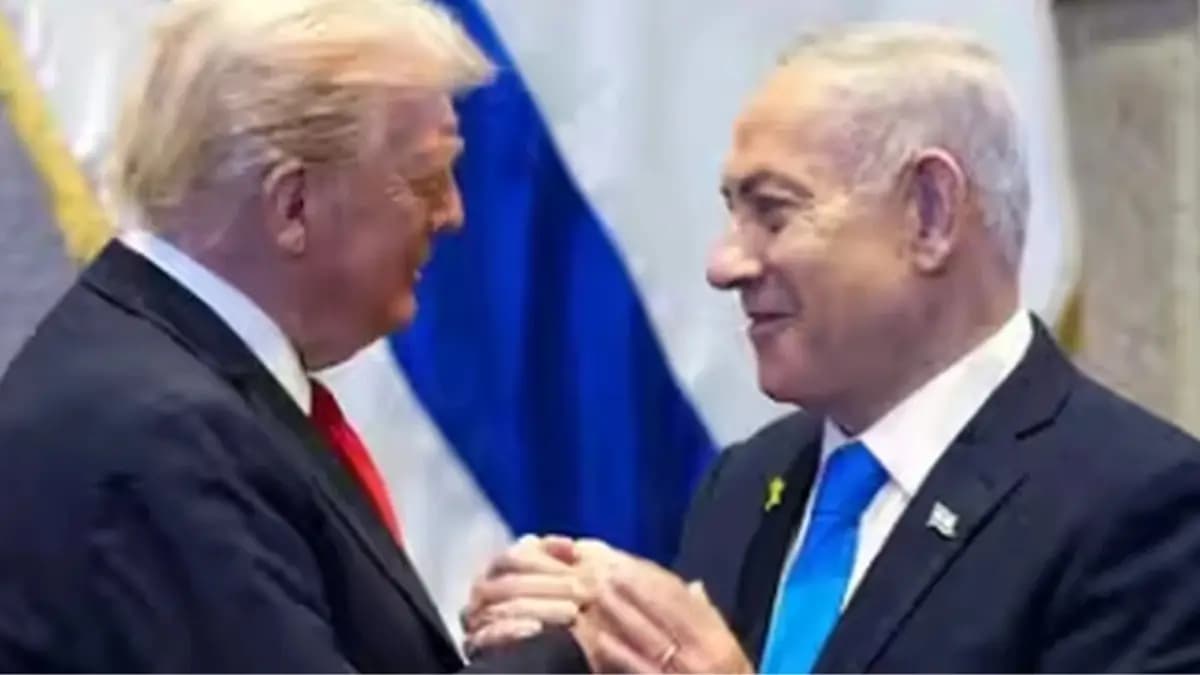
The Associated Press reported that Netanyahu urged Trump to consider another military campaign after the US midterms. Trump, however, reportedly had not promised renewed strikes.
A wider confrontation could bolster Netanyahu’s security-oriented political position but could also provoke Iranian retaliation and greater regional instability. It could also make it harder for him to form a stable coalition.
“Trump’s partnership with Netanyahu has contributed to the political woes of the US,” Rajan Kumar, a professor at JNU, told The Times of India. The Iran conflict, he said, is a strategic stalemate with no military or political breakthrough.
In the weeks ahead, it will be seen whether Washington and Tehran can reach an agreement on sanctions, restrictions on naval forces and shipping through Hormuz. For both leaders, domestic political survival now adds another layer to the conflict.
The elections have not ended the Iran war, but they have added pressure on Trump and Netanyahu to deliver, while facing growing political opposition at home. Follow Sprouts News for continuing coverage of the Iran conflict, diplomatic negotiations and its global political implications.