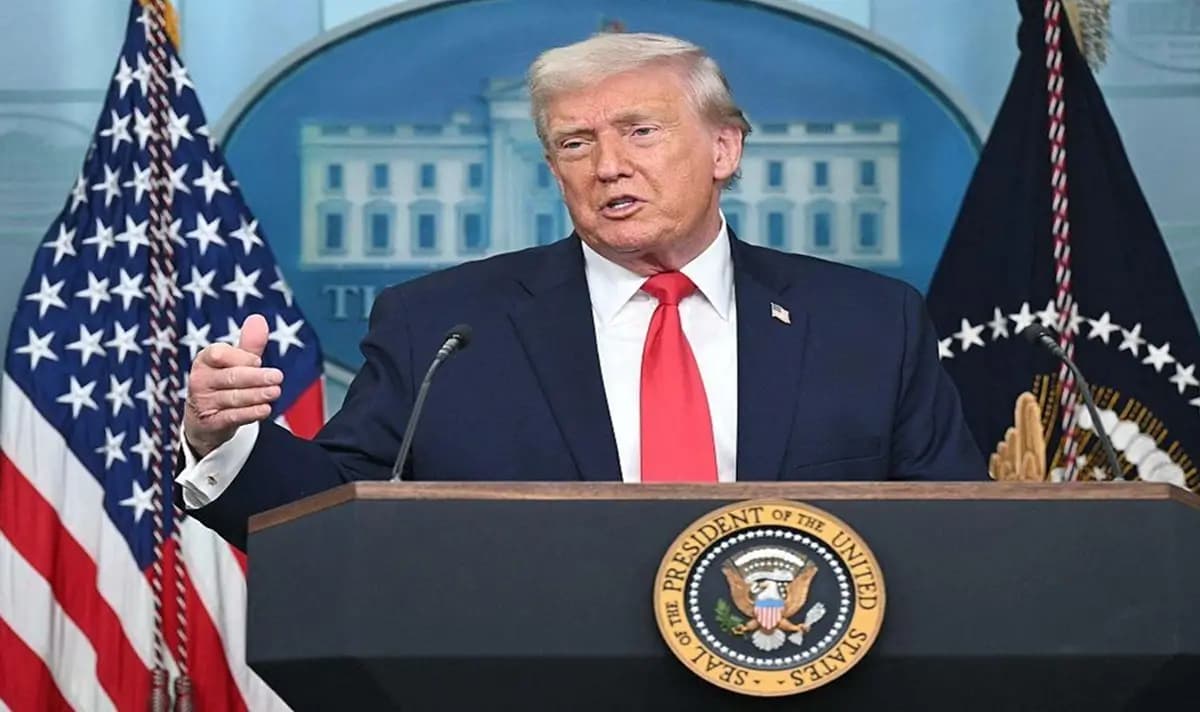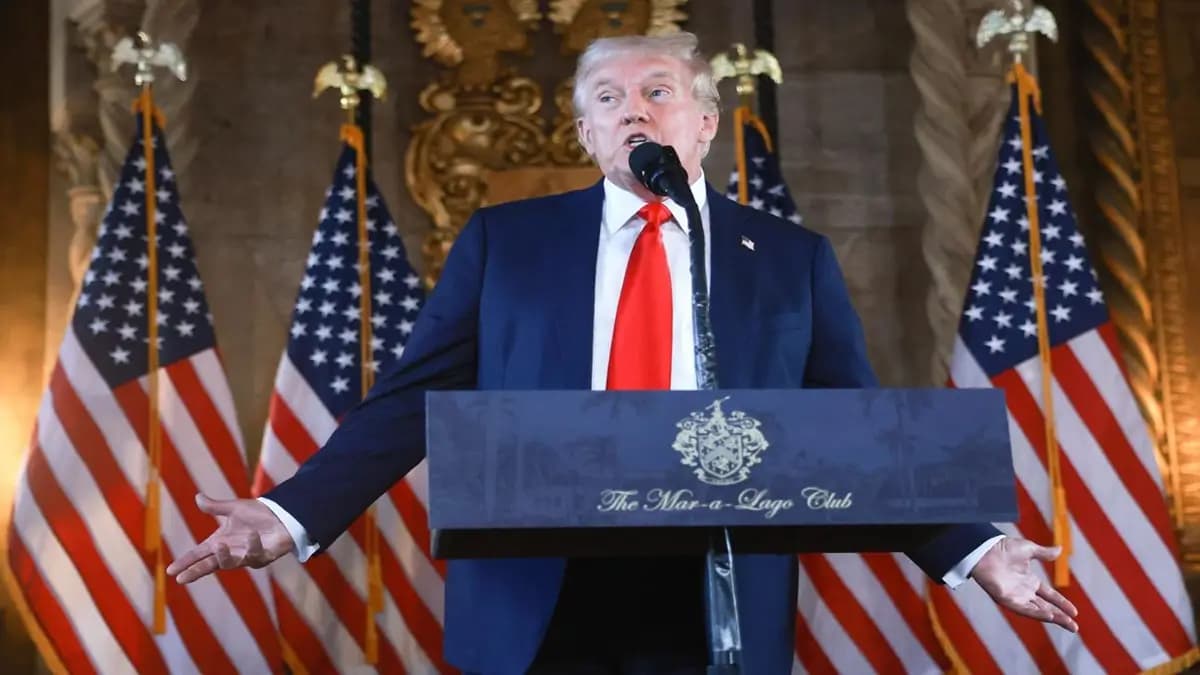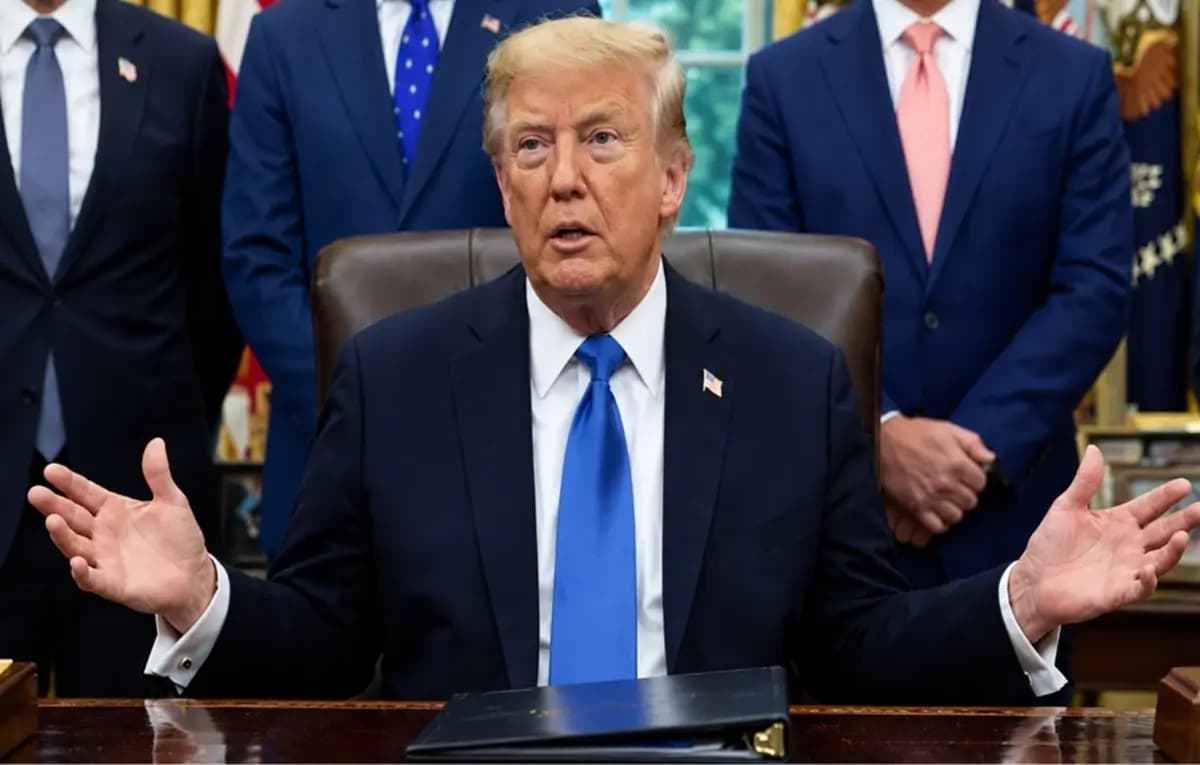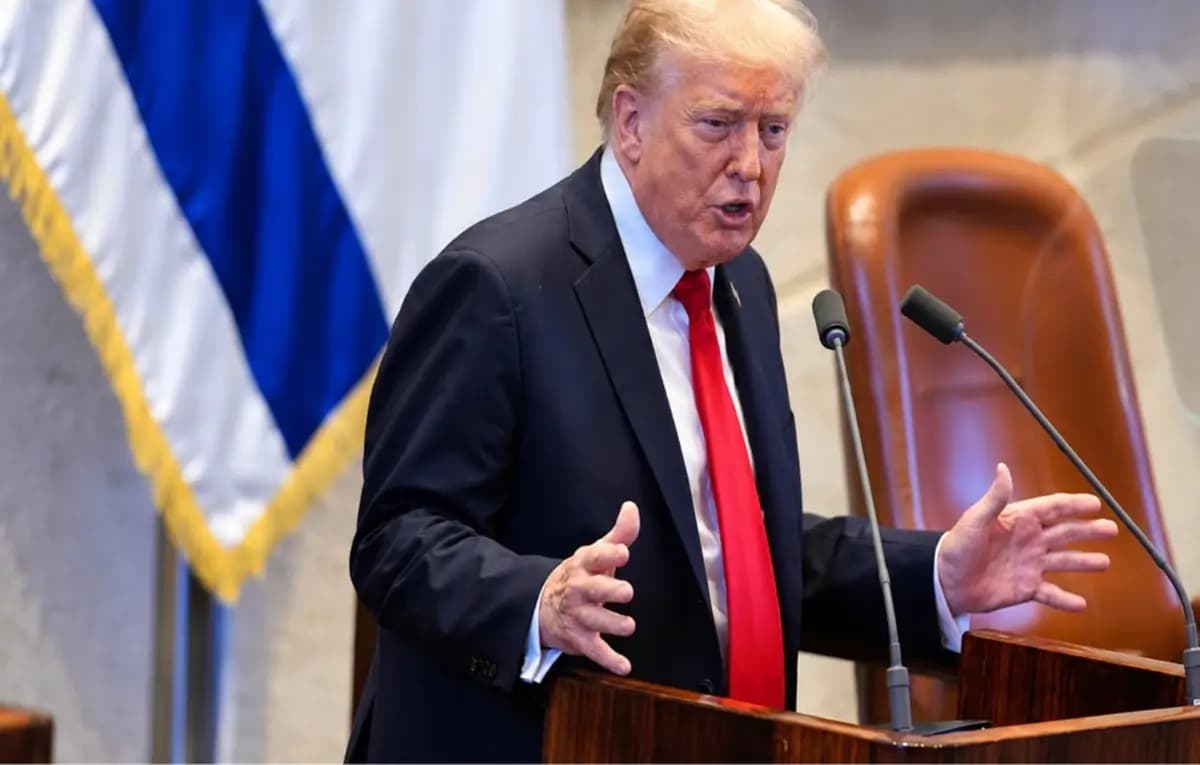
The US Supreme Court rejected the Trump administration's emergency request on November 2, 2026, to set aside ballots linked to approximately 20,000 California voters flagged as possible noncitizens. The unsigned order provided no explanation, and no justice publicly dissented. California officials challenged the reliability of the federal voter list, warning that eligible voters could be affected. Governor Gavin Newsom and Attorney General Rob Bonta welcomed the decision, while the Justice Department maintained that temporary ballot separation would allow citizenship checks before counting.
US Supreme Court Rejects Trump's Bid to Set Aside 20,000 California Ballots
The Supreme Court turned down an emergency appeal from the Trump administration to set aside about 20,000 ballots on disputed claims of citizenship, another legal setback ahead of the midterm election deadline.
The battle over California ballots took a major turn Monday after the US Supreme Court rejected the Trump administration’s emergency request to discard about 20,000 votes over claims that some registered voters may not be US citizens.
The decision came a day before the final day of voting in the critical midterm elections. The court refused to intervene, offering no explanation, and no justice publicly dissented.
The rejection also came without asking for a response from California officials, another setback to President Donald Trump’s efforts to challenge the state’s election procedures.
Gavin Newsom and Rob Bonta Welcome Supreme Court Decision
“The Court denied Trump’s emergency request without even letting the other side respond,” California Gov. Gavin Newsom said in a post on X praising the decision. Democracy won.
California Attorney General Rob Bonta said the courts had rejected the administration’s attempts to interfere in California elections four times, including in the district court, the Ninth Circuit Court of Appeals and the Supreme Court.
This latest decision should halt the administration’s attempts to interfere with California elections through emergency court orders, Bonta said.
The Trump administration argued that temporarily separating the contested ballots would enable officials to verify voters’ eligibility while still ensuring that legitimate votes would ultimately be counted.
Noncitizen Voter Claims Raise Questions Over Federal Data
But noncitizen voting is rare in the United States, though the Trump administration has made identifying suspected noncitizen voters a priority.
California officials said the federal government’s list was unreliable and that mistakes could cause eligible voters to be erroneously prevented from voting.
The Justice Department conceded its list was not entirely dependable. At a hearing, US District Judge Trina Thompson asked department attorney Kenneth Kao about the accuracy of the information.
When asked if the data had a high error rate, Kao conceded that’s possible, saying officials needed help from local registrars to determine voter eligibility.
But federal prosecutor Bill Essayli said he was confident in the list, saying the allegations were not speculation, before later admitting errors could still be made.
Also Read: Tucker Carlson Claims Netanyahu Is Pressuring Trump Over Iran
Lower Courts Also Reject Trump's Election Challenge
The Justice Department conceded its list was not entirely dependable. At a hearing, US District Judge Trina Thompson asked department attorney Kenneth Kao about the accuracy of the information.
When asked if the data had a high error rate, Kao conceded that’s possible, saying officials needed help from local registrars to determine voter eligibility.
But federal prosecutor Bill Essayli said he was confident in the list, saying the allegations were not speculation, before later admitting errors could still be made.
Millions of California Ballots Already Returned
California started mail-in voting in early October, sending ballots to some 23 million registered voters. More than 6 million ballots were already returned, according to Associated Press election data.
Officials said it would be logistically impossible to identify and separate disputed ballots at this point. The Supreme Court also rejected Trump’s nationwide attempt to limit mail-in voting in September.
The NAACP’s general counsel, Kristen Clarke, called the administration’s latest challenge “federal overreach and voter suppression.”
The fight adds to the current tensions over federal power and state control over how elections are conducted. Sprouts News will continue tracking developments as the midterm voting process concludes.