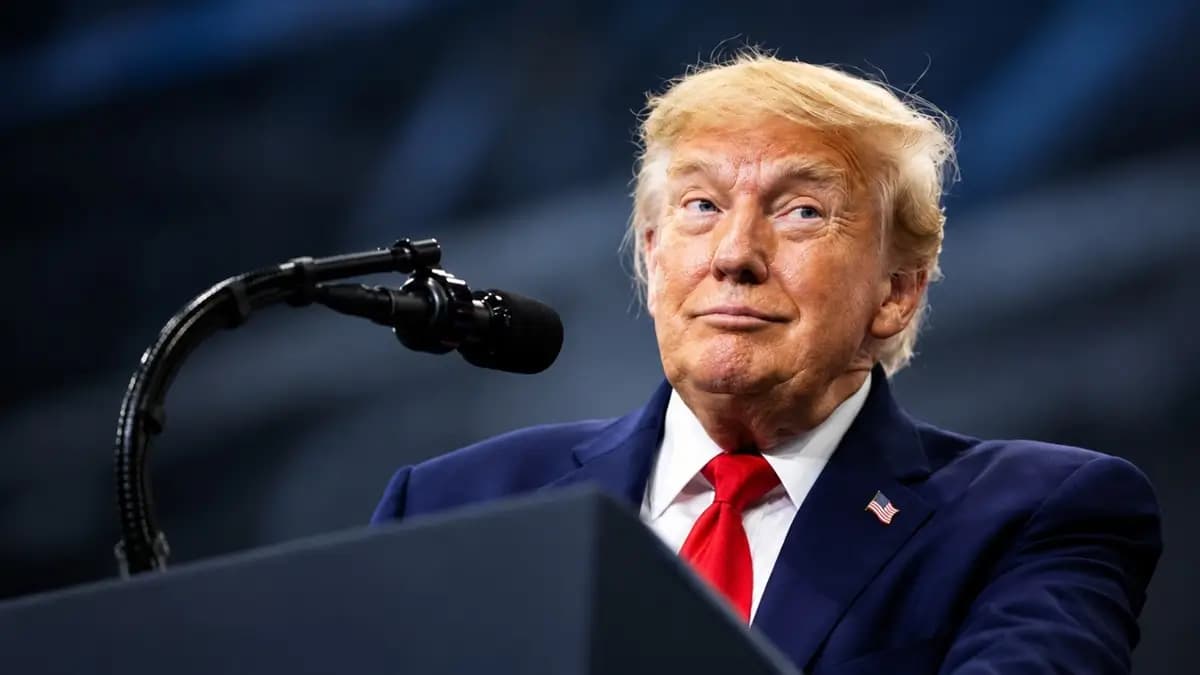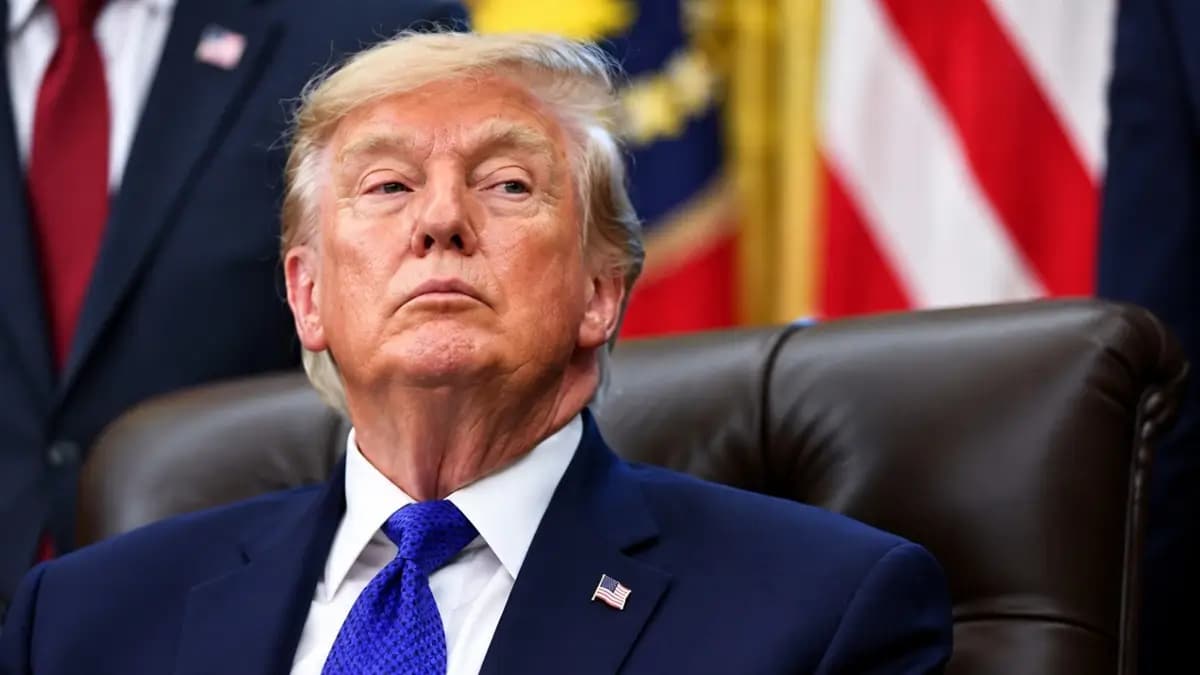
The US midterm elections on 3 November are becoming a significant factor in Washington’s standoff with Tehran, as the war involving the United States, Israel and Iran continues to affect energy markets and regional security. President Donald Trump said on 8 October that the US would not attack Iran before the vote, citing productive discussions, although major disagreements remain. Reuters reported on 20 October that Iranian officials see the election period as an opportunity to increase political pressure on Trump. The future of diplomacy and Gulf shipping remains uncertain.
US Midterm Elections, Iran Tensions Raise Fears of Renewed Conflict Between Trump and Tehran
With the US midterm elections on November 3 drawing closer, growing maritime tensions and rival political calculations threaten to upset diplomacy and aggravate instability throughout the Middle East.
Attacks on Gulf shipping threaten energy markets, and fears of a return to military action are complicating efforts to defuse the standoff between President Donald Trump and Tehran, alongside tensions with Iran and the U.S. midterm elections.
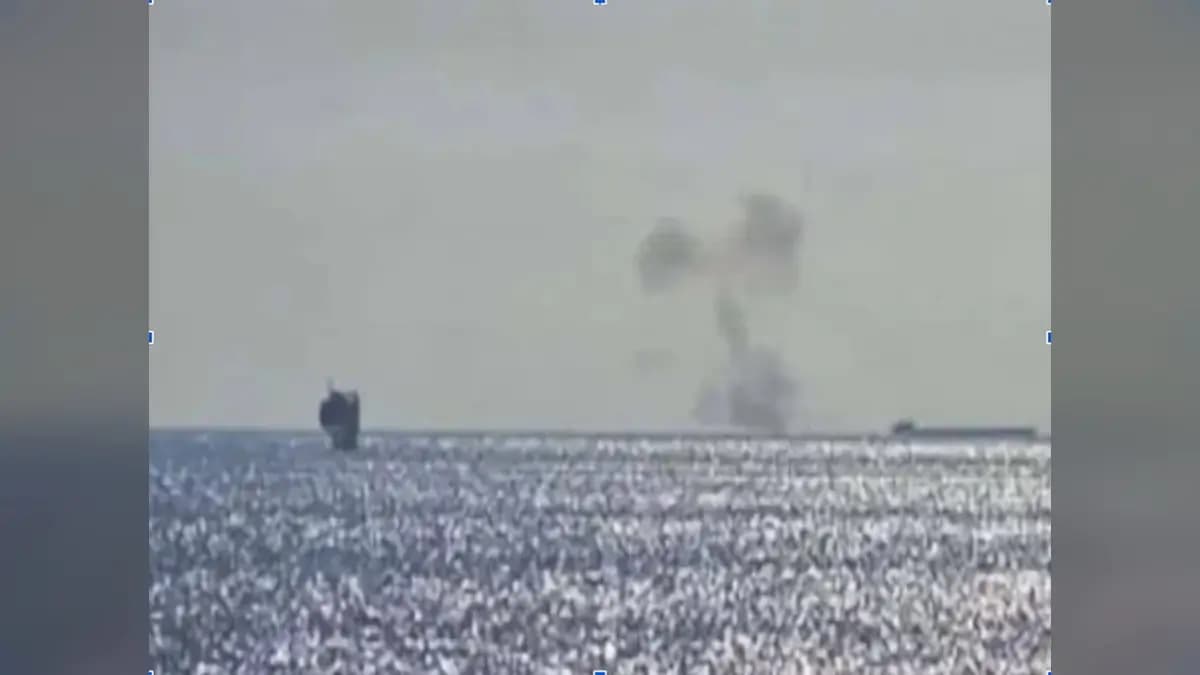
Iran appears to view the upcoming US elections as an opportunity to ramp up pressure on Washington by creating disruptions near the Strait of Hormuz, a key transit point for global energy shipments.
Trump has announced he will not attack Iran before November 3, but continues to threaten military action. Tehran seems to think the electoral pressures may limit Washington’s options.
US Midterm Elections, Iran Tensions, and Strategic Miscalculations
Iran’s strategy is based on the assumption that higher energy prices would hurt Trump politically and discourage another military campaign. But this calculation may possibly understate the domestic ramifications of appearing unable to protect maritime trade.
The Trump administration has reportedly considered additional strikes, suggesting military options remain on the table. A serious Iranian attack on U.S. forces could also undermine the president’s stated commitment to restraint.
Another layer of uncertainty is Israel’s political situation. Prime Minister Benjamin Netanyahu is seeking re-election on Oct. 27, and his bloc is struggling to form a majority.
Netanyahu’s political capital is built largely on his stance against the Iranian threat. Tehran’s efforts to rebuild its missile and drone capabilities, together with the ongoing uncertainty surrounding its nuclear program, could strengthen arguments within Israel for a new military campaign.
Washington, Tehran and Israel all face electoral pressures that raise the stakes of miscalculation. Even when previous fighting has consistently outstripped diplomatic efforts, leaders may feel limited force can improve their negotiating positions.
Strait of Hormuz Disruptions Threaten Regional Security
Washington’s calculations could change again in the midterm elections in November. Once the vote is over, Trump will not have the same publicly stated pre-election restraint, raising the possibility of renewed strikes.
Washington has military options from US forces already present throughout the region. Tehran may decide to strike Israeli or American military assets first, thus starting a dangerous cycle of pre-emptive action, fearing another attack.
The basic difference of opinion persists. Washington wants a nuclear deal and believes its blockade can force Iran to the negotiating table, while Tehran says it needs economic relief and an end to the war before serious nuclear talks.
Tankers will still go through the Strait of Hormuz, but costly military protection of shipping cannot replace stable commercial operations. Iran can threaten Gulf oil exports, but has not achieved any significant American concessions.
Wider Middle East Conflict Could Deepen Economic Costs
The United States and Israel could launch renewed attacks that would destroy Iranian missile launchers, production facilities and infrastructure, but Tehran has the ability to retaliate. Potential targets include Gulf energy facilities, maritime commerce, data centres and other critical networks.
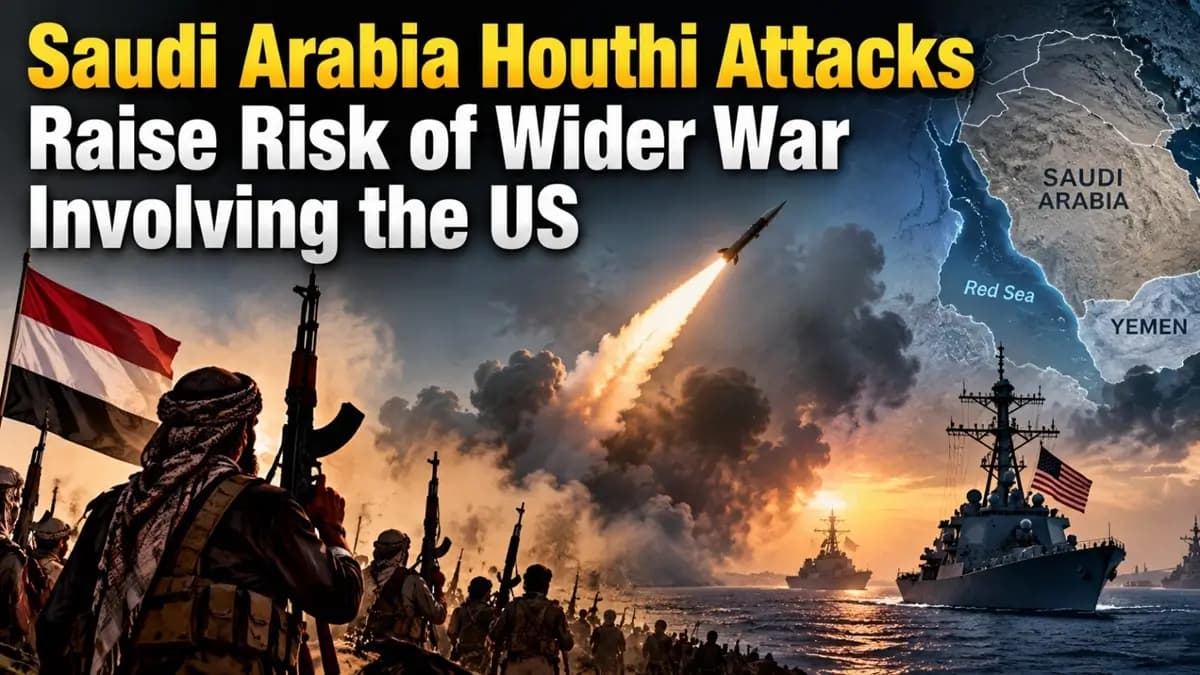
The new Houthi confrontation with Saudi Arabia is a case in point of how regional hostilities can spiral. Fighting in Yemen has escalated, including deadly strikes on civilian airports and escalating retaliation, sparking fears of wider regional involvement.
Turkey and Pakistan may be drawn into backing Saudi Arabia by the reported signing of a mutual security pact between the countries known as the Mecca Joint Defence Agreement.
A bigger war could leave Iran economically weakened, Israel more exposed and Washington with greater military costs. Global energy markets would also remain vulnerable to supply disruptions and a return of price volatility.
Also Read: Steve Witkoff Praises Putin After Russia Releases American Stephen Hubbard
Diplomacy Remains the Alternative to Renewed Fighting
One potential diplomatic path forward would involve reciprocal steps to reopen the Strait of Hormuz, calibrated sanctions relief, and renewed nuclear talks. But sequencing and trust are still big issues for both governments.
For Tehran, it’s about not giving up maritime leverage before getting concessions; for Washington, it’s about not easing pressure and rewarding coercion without securing long-term restrictions on Iran’s nuclear program. Verification that is credible and mutual commitments would be essential.
Whether political leaders will choose to prioritise talks over military pressure is yet to be seen as Sprouts News looks into the implications of the developing standoff.
Even if renewed attacks alter the balance of power, they are unlikely to settle the fundamental disputes. Delayed diplomacy could ultimately leave both sides facing greater destruction, deeper mistrust, and higher costs.