Oil prices rose after US President Donald Trump rejected an Iranian proposal aimed at reopening the Strait of Hormuz and restarting nuclear talks. Brent crude briefly climbed above $108 a barrel before paring gains, while WTI also advanced. The market reaction reflected continued concern over disruptions to energy shipments through the strategic waterway. Mediators are still working to facilitate US-Iran discussions, meaning the situation remains fluid. For India and other major oil importers, prolonged disruption could increase crude costs and add pressure to inflation and trade balances.
Oil Prices Rise After Trump Rejects Iran Proposal to Reopen Strait of Hormuz
Oil prices rose on Monday after U.S. President Donald Trump rejected Iran’s offer to reopen the strategically important Strait of Hormuz and resume nuclear talks.
On September 28, oil prices soared after Donald Trump rejected an Iranian proposal to end the conflict and resume maritime traffic through the Strait of Hormuz.
Brent crude futures for November were up as much as 3% in Asian trading before trimming gains, while West Texas Intermediate also gained on renewed worries.
Brent was up 2.7% at $107.11 a barrel at 8:32 a.m. ET after hitting $108.83 earlier, while WTI rose 3% to $95.20.
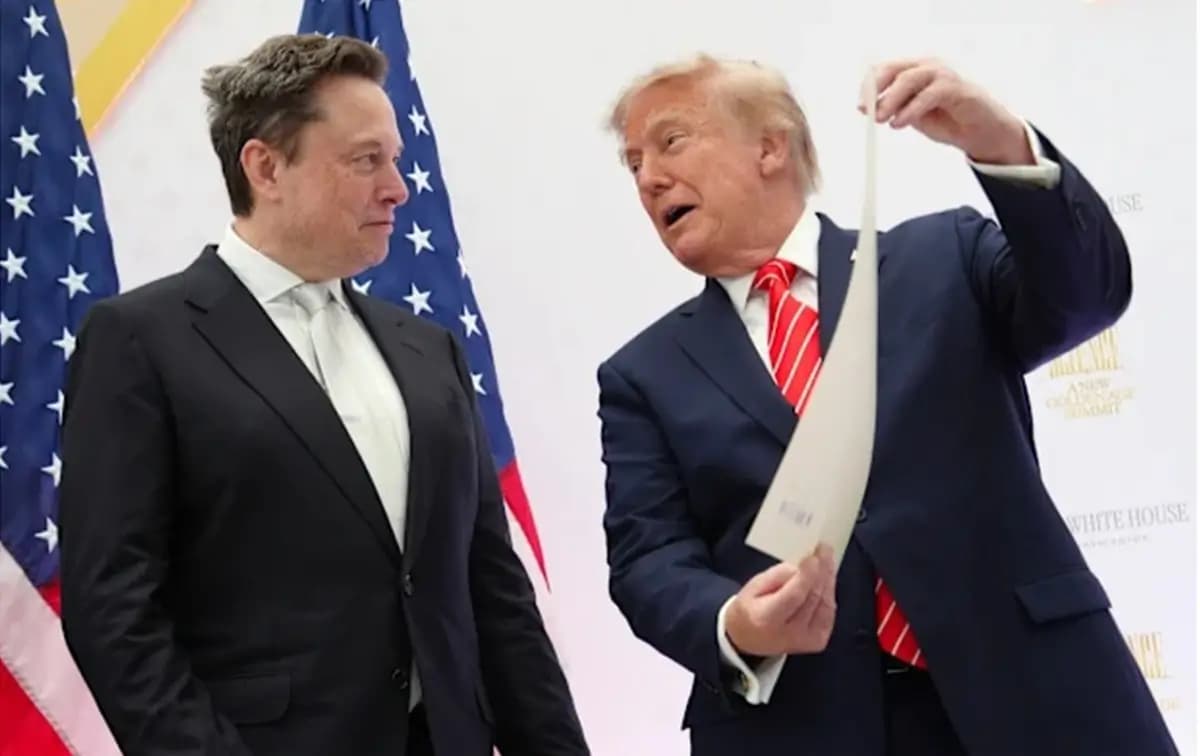
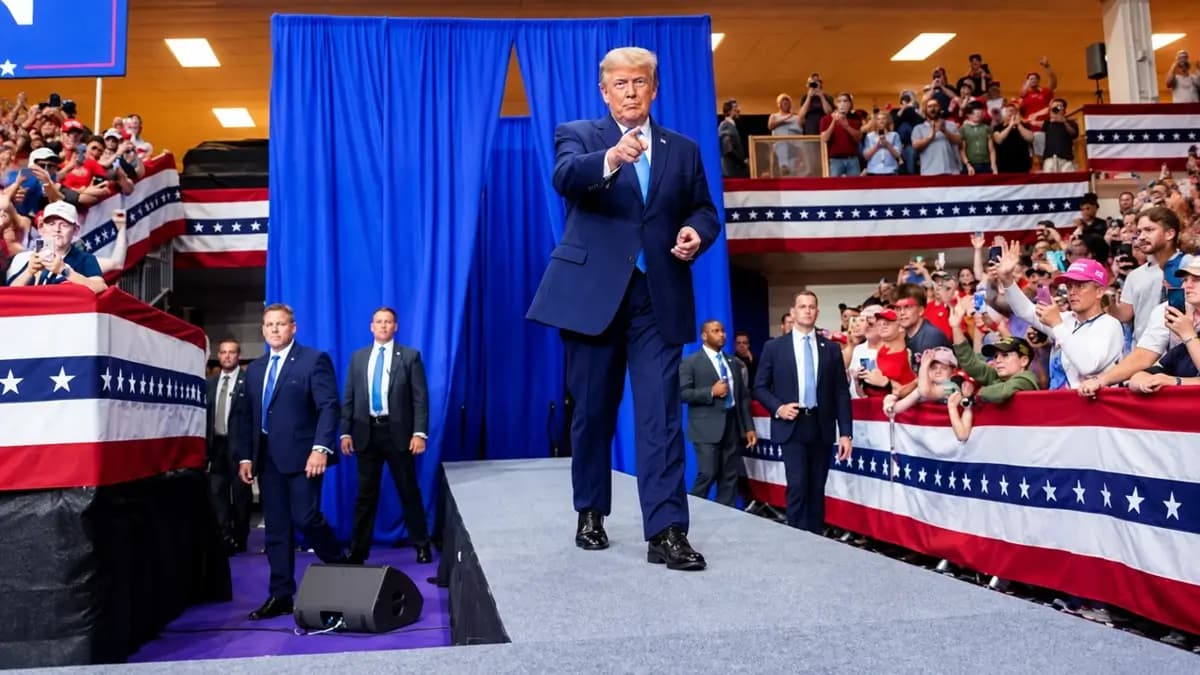
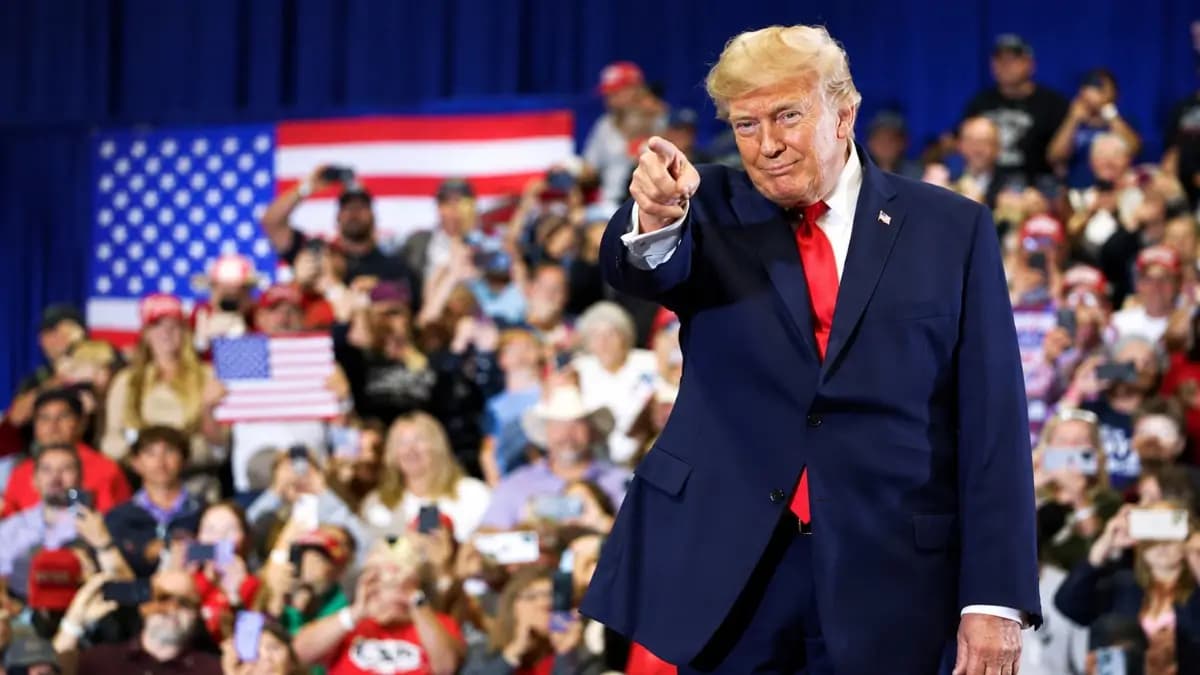
US President Donald Trump dismissed Iran’s latest offer to seek terms for reopening the waterway and restarting nuclear talks between Iran and Washington, prompting a market reaction.
Trump rejects Iran’s Strait of Hormuz proposal
The plan was floated by Iranian Foreign Minister Abbas Araghchi on September 25 at the United Nations General Assembly in New York, who vowed to reopen the waterway within seven days.
Iranian officials said Tehran tied the reopening of the Strait of Hormuz to a decrease in U.S. military pressure, lifting the naval blockade and resuming nuclear talks.
Iranian Foreign Ministry spokesman Esmaeil Baghaei said Tehran was seeking the release of Iranian assets and an end to what officials called American economic warfare.
Trump later said he had rejected a proposal from Tehran but also indicated U.S. negotiators could still meet with Iranian representatives during the week.
Separately, The Wall Street Journal, citing unnamed U.S. officials, reported that Trump expected American strikes against Iran to resume after November’s U.S. midterm elections.
Oil markets remain focused on Hormuz risks
The Strait of Hormuz links the Persian Gulf with the Gulf of Oman and the Arabian Sea, a vital artery for the world’s energy shipments.
The waterway was responsible for roughly one-fifth of global oil supplies before the war, current reporting says, making it a key energy trade route for the globe.
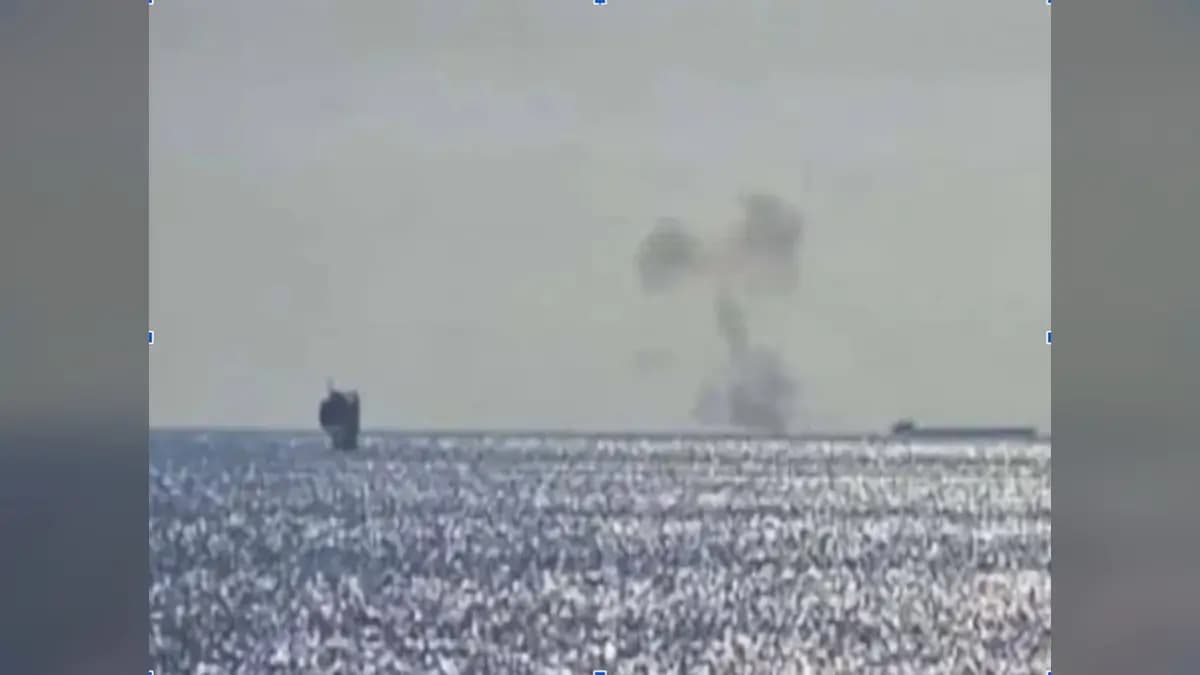
Commercial shipping through the strait has fallen significantly since the conflict began, though vessel movements picked up recently, maritime intelligence platform MarineTraffic said.
MarineTraffic tracked 132 transits of vessels between Sept. 21 and 27, compared with 116 in the previous week, with normal traffic around 130 crossings per day.
Market players are still worried that a fresh flare-up of fighting could further tighten supplies, especially as some countries are depending on stored supplies to offset any disruption.
"A lot of risk is being priced into the markets around a return to U.S.-Iran hostilities," Cornelia Meyer, chief executive officer of Meyer Resources, told CNBC's Access Middle East.
Many producers and consumers were drawing on inventories while normal energy flows remained disrupted, meaning countries were effectively relying on borrowed barrels, Meyer said.
Also Read: Harish Rawat Faces ED Questions Over 2016 Uttarakhand Recruitment Case
Regional tensions add pressure to energy markets
The oil market is also watching developments in Yemen after a Saudi-led coalition said it had intercepted projectiles fired by Iran-backed Houthi rebels on Saturday.
The developments add another layer of geopolitical risk across the waterways and infrastructure around the Middle East’s biggest oil-producing and exporting economies.
The conflict began with U.S. and Israeli airstrikes on Iran on Feb. 28, the report said, and has since disrupted shipping in the region.
Earlier, Trump had said he thought the war would be over after the November midterm elections, which also had helped push oil prices lower earlier.
"Some of that optimism is gone with the latest rejection, as traders again look at crude supplies, shipping routes and energy inventories for possible disruptions."
Consumers around the world could face higher transportation, manufacturing and household energy costs from rising oil prices, but the ultimate impact will depend on the availability of supply.
What happens next for oil and Hormuz
Iranian officials continued to stress diplomacy. Abbas Araghchi said Tehran's conditions for reopening the Strait of Hormuz remain unchanged after Trump's rejection.
Washington and Tehran could keep diplomatic contacts, but the timing and details of any renewed negotiations are uncertain as military tensions continue.
Traders in oil markets will be looking at events around the Strait of Hormuz, attacks in the region, inventories, and signals from Washington and Tehran.
Sprouts News will continue to follow developments in the oil market, U.S.-Iran diplomacy, and developments impacting the Strait of Hormuz as negotiations and regional security conditions evolve.