Chinese President Xi Jinping is set to visit the United States from September 23 to 25 for talks with US President Donald Trump, according to China’s Foreign Ministry. Trump is expected to personally welcome Xi at Joint Base Andrews on September 23, highlighting the significance of the visit. Trade negotiations, artificial intelligence cooperation and Russian energy sanctions are among the issues drawing attention ahead of the summit. Pre-summit discussions between senior Chinese and US officials have also focused on reciprocal tariff reductions and an AI dialogue.
Xi Jinping US Visit Begins September 23 as Trump Plans Rare Airport Welcome
Chinese President Xi Jinping will visit the United States from Sept. 23 to 25 for talks with Donald Trump, with trade, artificial intelligence and Russian energy sanctions topping the agenda.
Chinese President Xi Jinping will visit the United States from September 23 to 25 for talks with President Donald Trump, with trade, artificial intelligence and Russian energy sanctions in the spotlight.
China’s Foreign Ministry confirmed the state visit on September 21, saying Xi was going to the US at the invitation of Trump and would see the US president during the Washington program.
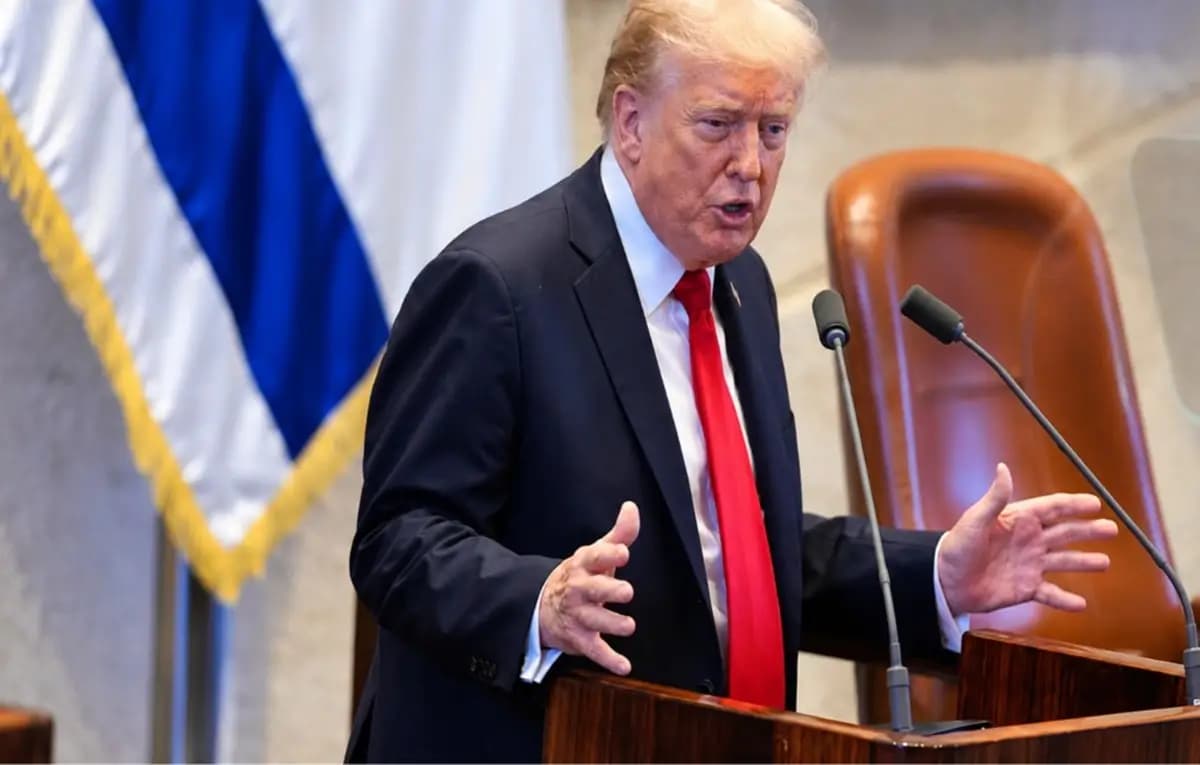
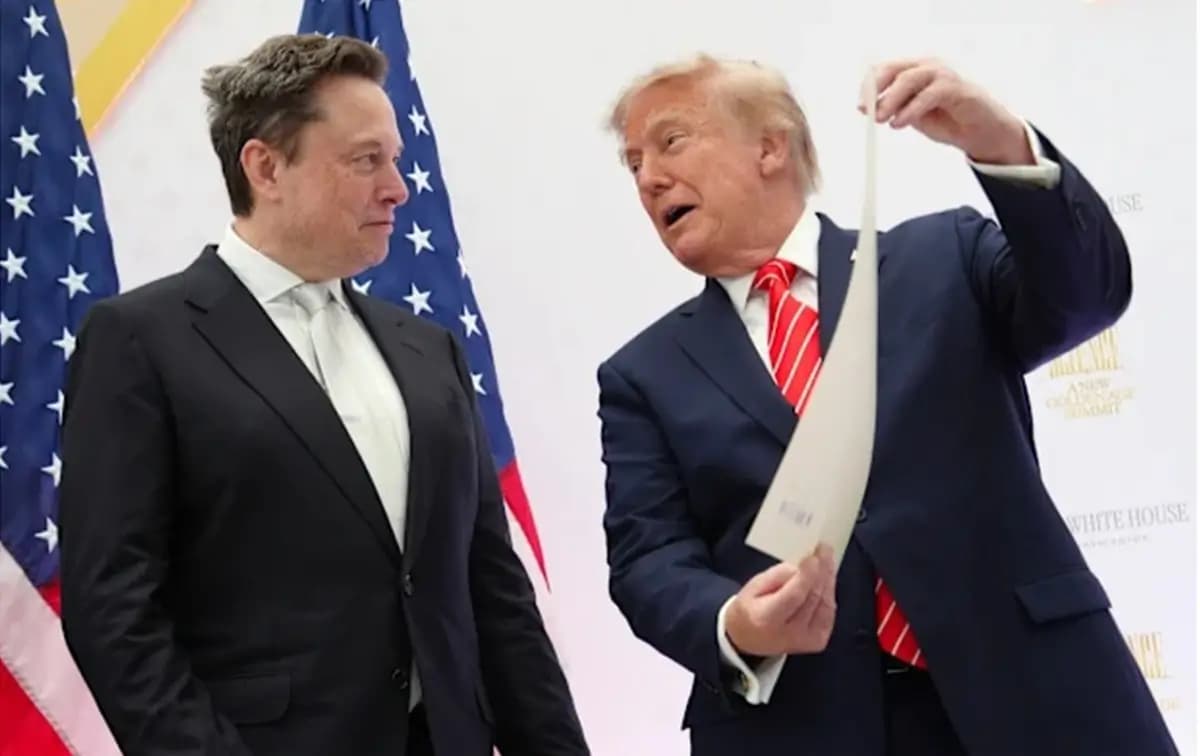
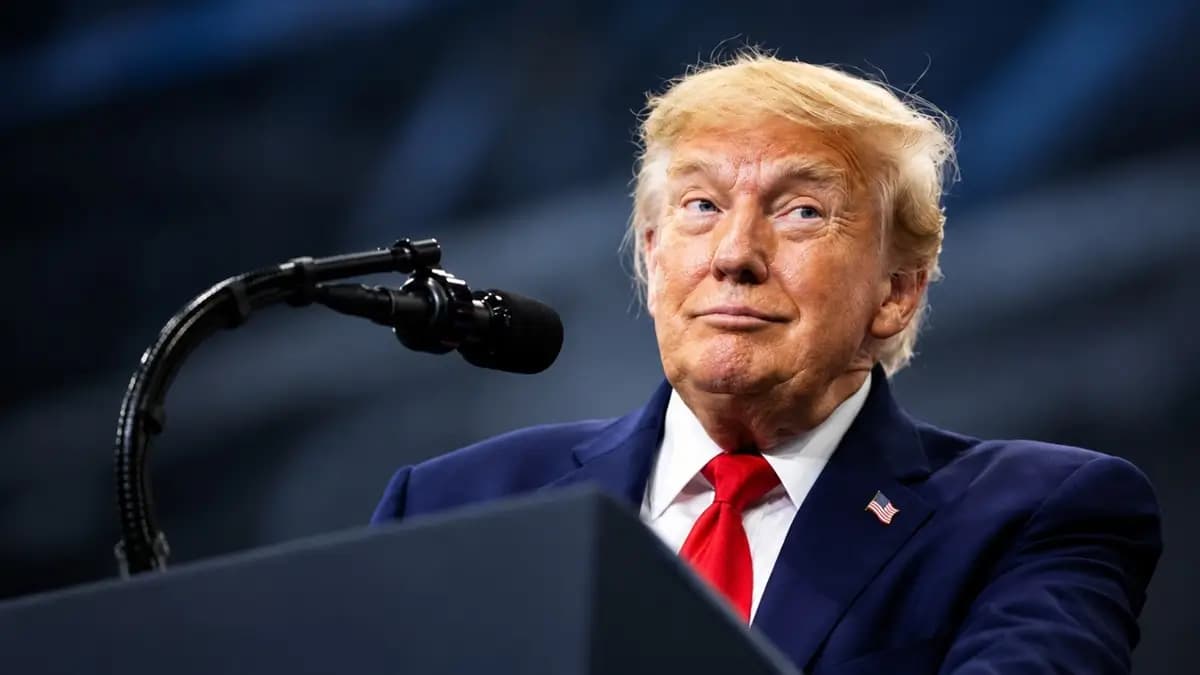
Trump is to personally welcome Xi at Joint Base Andrews on September 23, an unusual presidential airport reception that underscores the diplomatic importance being placed on the visit.
The two last met in May in Beijing when Trump travelled to China for talks aimed at improving relations between the world’s two largest economies.
Xi Jinping US Visit Puts Trade and AI at Centre Stage
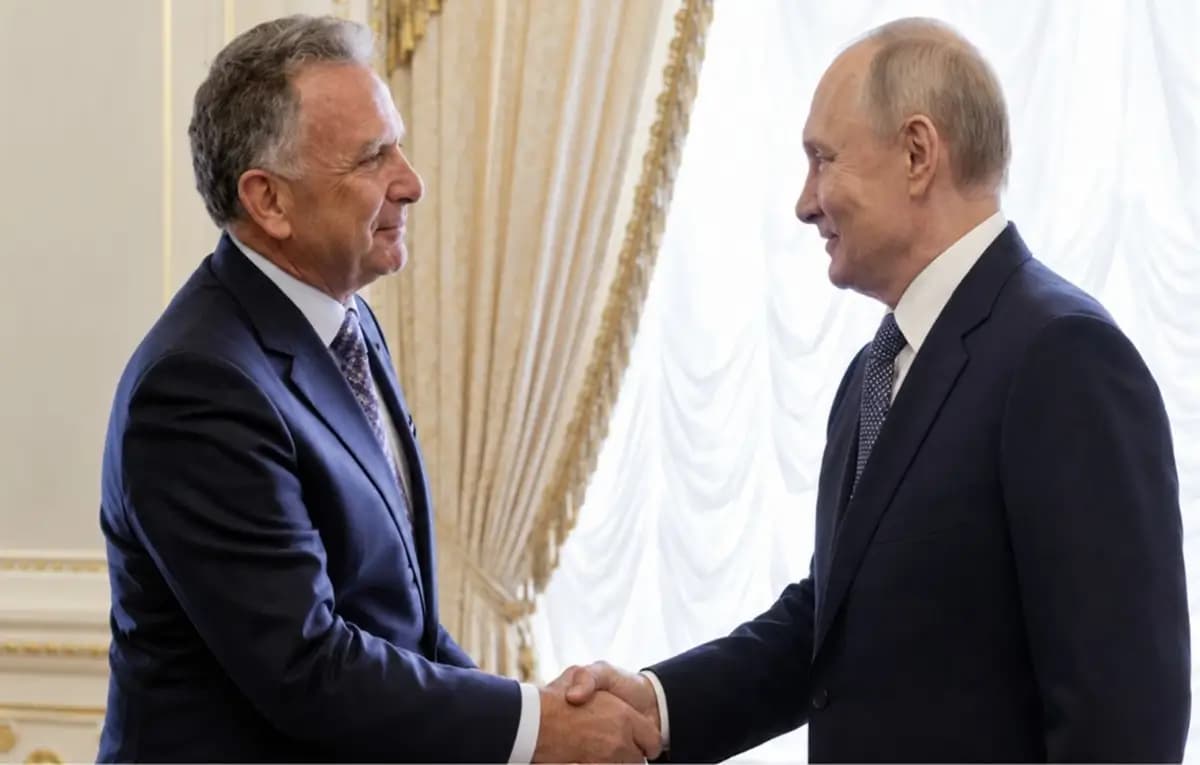
Pre-summit talks were stepped up in New York on September 20, with Chinese Vice Premier He Lifeng holding meetings with US Treasury Secretary Scott Bessent and US Trade Representative Jamieson Greer.
Chinese state media said the economic and trade talks were candid, in-depth, and constructive, while the officials also discussed issues related to artificial intelligence ahead of the presidential summit.
Washington proposed an AI notification system for incidents that could threaten national security, Bessent said, and both sides agreed to develop an AI dialogue between their governments.
Talks also advanced a Board of Trade proposal to oversee deals covering potential lower tariffs on non-sensitive products such as consumer goods, agriculture, energy and medical devices.
Trade remains the focus as Washington and Beijing negotiate reciprocal tariff cuts on about $30 billion in products from each side, China’s Commerce Ministry said.
Chinese Commerce Ministry spokesman Huang Ling said the consultations are aimed at completing the reciprocal tariff reduction arrangement as soon as possible, raising the stakes for some progress around the summit.
Also Read: Trump Plans AI Force, New AI Czar Amid US-China Tech Race
Russian Energy Sanctions Add Another Pressure Point
The summit comes just days after Trump signed into law the Lindsey O. Graham Sanctioning Russia and Iran Act of 2026, which expanded his sanctions and tariffs authority.
The legislation allows tariffs of as much as 100% on goods from countries hit with provisions targeting major buyers of Russian oil and gas, including China and India.
China has rejected the idea of US actions aimed at its Russian energy imports, saying that normal economic cooperation should not be interfered with or coerced by third parties.
Beijing opposes long-arm jurisdiction and unilateral sanctions that have no basis in international law or in a mandate of the United Nations Security Council, Chinese Foreign Ministry spokesperson Guo Jiakun said.
Trump has also announced an AI Force, which is part of a wider Washington focus on artificial intelligence as a strategic technology and as an increasingly important area of competition with China.
Trump said on social media Saturday that claims of destruction or decimation of AI were hoaxes perpetuated by what he called the Radical Left Democrats.
The summit follows a September 17 phone call between Chinese Foreign Minister Wang Yi and US Secretary of State Marco Rubio, and goes beyond trade and technology.
The two diplomats also discussed high-level exchanges and wider bilateral relations, with Wang calling for equality, mutual respect, cooperation, managed differences and respect for each side’s core interests.
Earlier developments included Trump’s May visit to Beijing and subsequent negotiations, while recent talks have sought to preserve economic engagement amid continuing disputes.
Washington and Beijing Face Key Decisions Ahead
The discussions will see whether Washington and Beijing can turn recent negotiations into concrete arrangements on tariffs, AI communication, and broader economic relations as Xi’s arrival draws closer.
For Sprouts News readers who follow the global trade scene, the summit may offer clearer signals on the future of US-China economic relations and how the two countries handle strategic technology disputes.