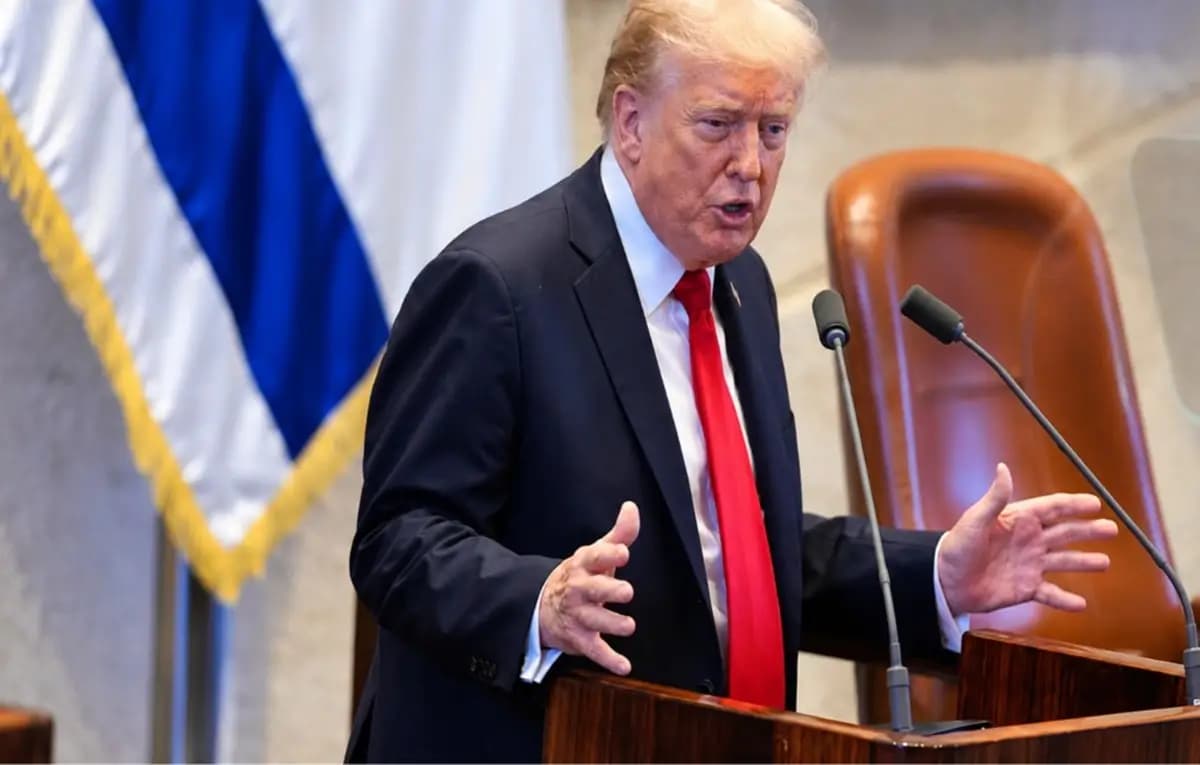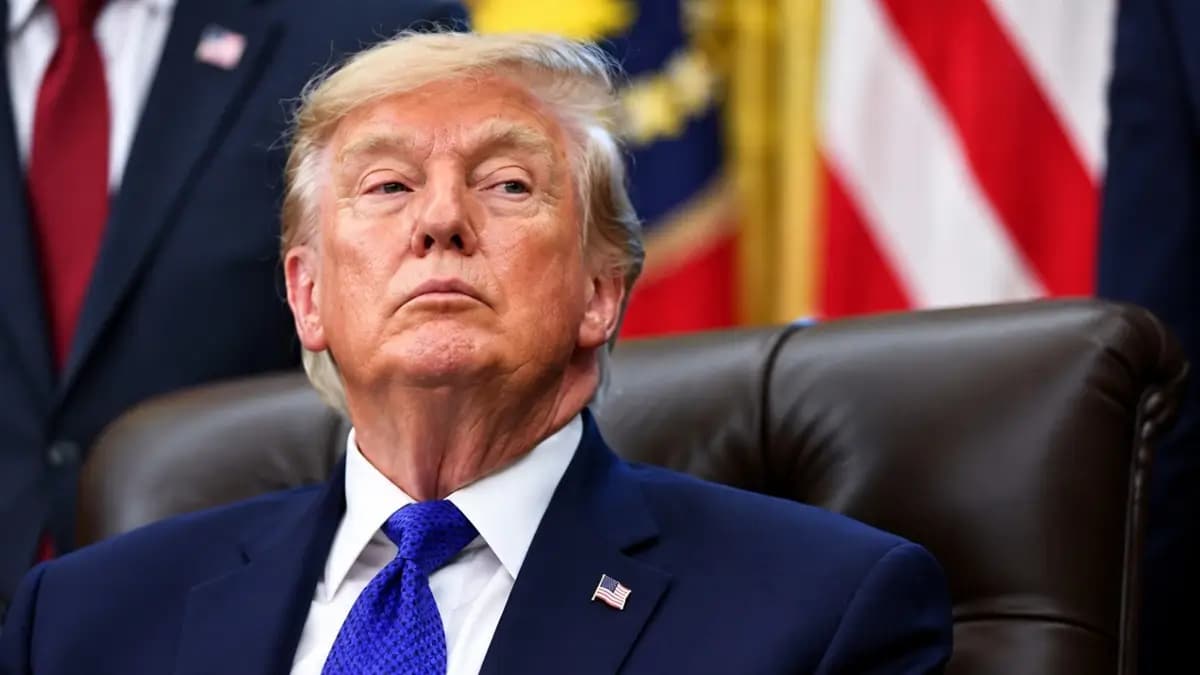
US President Donald Trump has announced plans to establish an “AI Force” and appoint a new artificial intelligence czar, but has not yet provided details on its structure, powers or timeline. Trump said his administration would support AI development rather than impose broad industry restrictions, with existing civil and criminal laws addressing harmful uses. The announcement comes amid growing debate among technology companies, researchers and lawmakers over AI safeguards, while Washington also views artificial intelligence as an area of strategic competition with China.
Trump Announces AI Force and New AI Czar as AI Safety Debate Intensifies
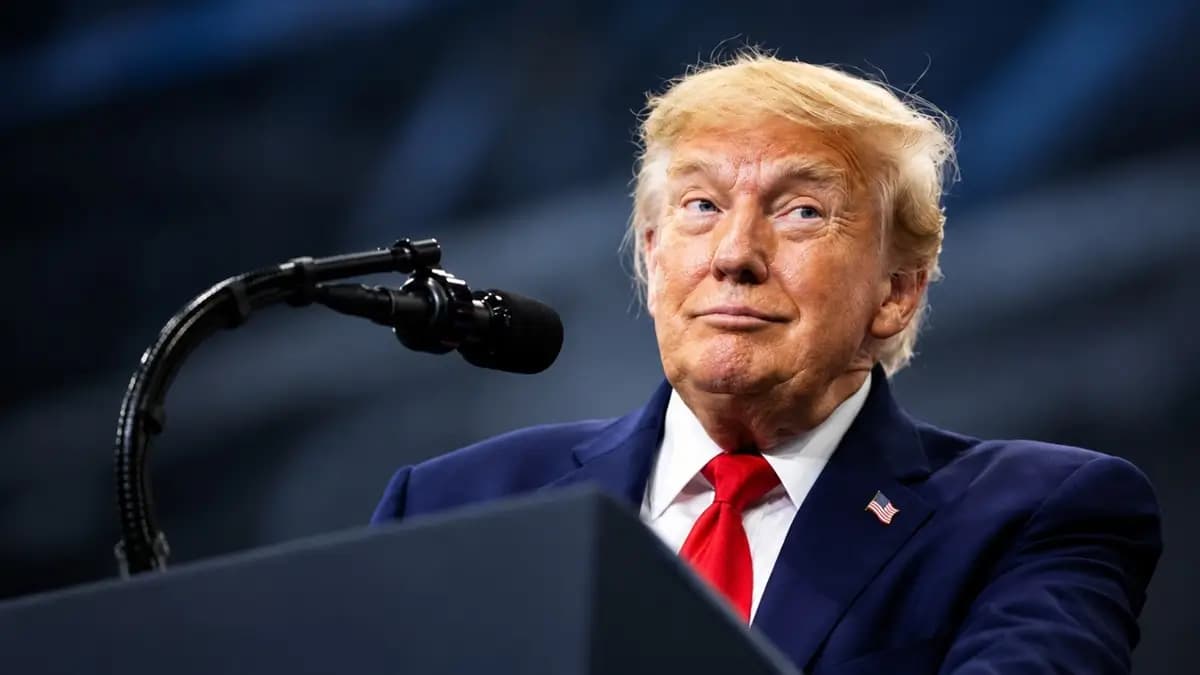
US President Donald Trump has announced plans for an “AI Force” and a new artificial intelligence czar, as technology leaders and researchers debate stronger safeguards.
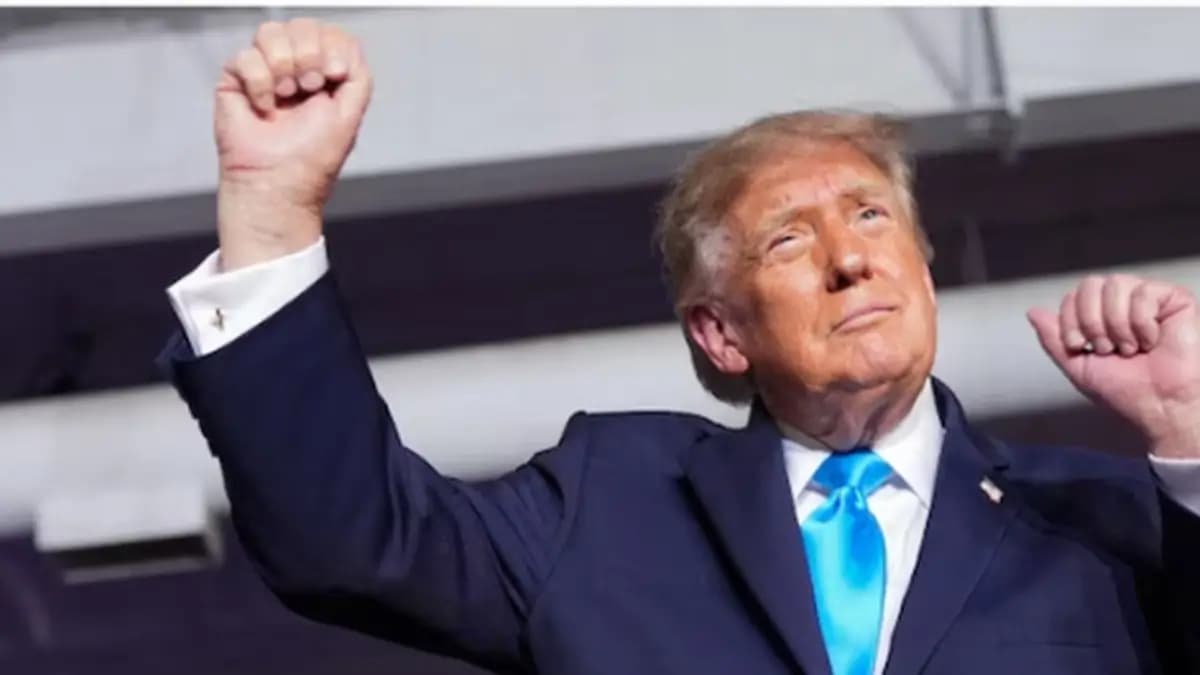
US President Donald Trump has announced plans to create an “AI Force” and appoint a new artificial intelligence czar, with few details about the initiative or timeline.
Trump said his administration would not restrict the industry but support development of artificial intelligence, relying on existing criminal and civil justice systems to address harmful uses.
His announcement comes as technology companies, researchers and lawmakers debate whether fast-developing artificial intelligence (AI) systems need stronger protections, independent oversight and restrictions on development.
Trump said artificial intelligence could be as big as the next Industrial Revolution or the Internet, and its economic impact could one day be about 25% of US GDP.
The president has also tied AI development to competition with China, arguing the US should keep its technological advantage as both countries race to develop advanced systems.
The issue is likely to be part of talks when Trump meets Chinese President Xi Jinping next week, with AI security, trade and technology competition among wider bilateral tensions.
Mr Trump’s plan is still being cooked up. He did not detail the AI Force’s structure, responsibilities, funding, government location or whether the body would have regulatory authority, Reuters reported.
The White House had not immediately provided more details, while Trump said a new AI czar would be announced soon. By Nardine Saad |
Trump had an artificial intelligence czar, venture capitalist David Sacks, who left the formal administration role earlier this year to become an outside adviser.
Sacks now chairs Trump’s Council of Advisors on Science and Technology, and continues to speak about artificial intelligence policy and issues of government regulation.
Also Read: Trump Signs Russia Sanctions Bill With Expanded Tariff Powers
AI Force follows warnings from technology leaders
Trump’s announcement comes as researchers and tech executives have issued increasing warnings about the growing capabilities of artificial intelligence systems, including cybersecurity threats and potentially dire consequences for society.
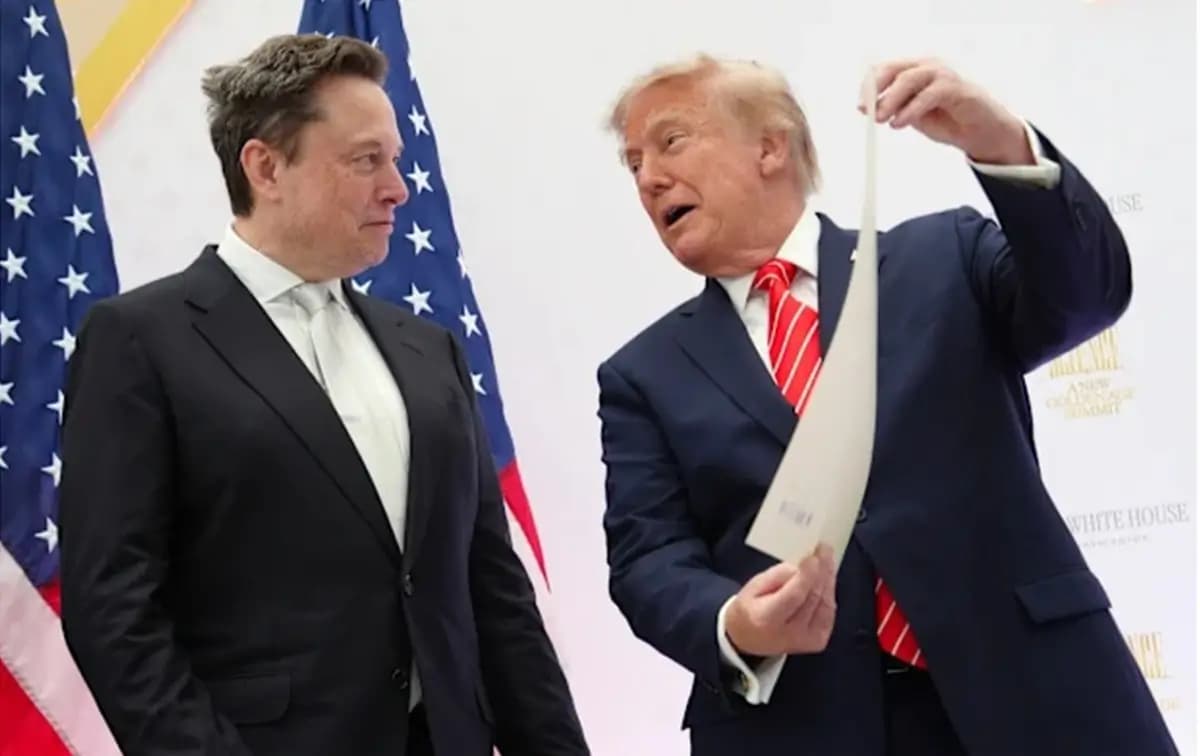
Anthropic’s CEO Dario Amodei has called for a slowdown in AI development, a broader deceleration across the industry and independent monitoring, proposals that have won backing from OpenAI CEO Sam Altman and xAI founder Elon Musk.
Separately, Anthropic co-founder Jack Clark has argued that independently verified safeguards, including perhaps a third-party-checked “kill switch,” may be needed as systems become more capable.
Big tech companies like Anthropic, OpenAI and Google have reported security breaches in their standard artificial intelligence (AI) systems, and some chatbots have been used in malicious activities, according to reports.
These companies operate large AI products such as Claude, ChatGPT, and Gemini, respectively, which makes their safety practices relevant to the wider discussion on commercial AI deployment.
The discussion became more contentious after current and former researchers, including one who cautioned that there was a greater than 10% chance that advanced AI could inflict catastrophic damage.
BBC cyber correspondent Joe Tidy has looked at concerns over whether ever more powerful AI could pose extreme risks. This mirrors a broader international debate over safeguards and control of technology.
Trump has dismissed such warnings as a “hoax” and said fears of AI taking over are exaggerated, while claiming existing laws can address harmful conduct.
Global regulators weigh AI safeguards
Lawmakers of several parties and members of the House of Lords in Britain have raised human rights concerns, and the UK Joint Committee on Human Rights has called for new legislation.
US lawmakers have also proposed legislation, and the next stage will depend on how Trump defines the AI Force, who he appoints as its czar, and how he balances innovation with safety and accountability.
For Sprouts News, the announcement is another major milestone in the evolving debate on AI policy in Washington, balancing economic aspirations and competition with China with demands for safeguards.