German launch company Isar Aerospace could attempt its third Spectrum rocket flight from Norway's Andøya Spaceport as early as November 26, 2026. An aviation notice issued by Avinor establishes a launch window extending until February 17, 2027, with daily opportunities between 20:00 and 21:30 UTC. The mission follows Spectrum's successful orbital flight on September 5. Austrian company R-Space's AT-Astra satellite is among the expected payloads, although Isar Aerospace has not confirmed the launch date or complete manifest.
Isar Aerospace Spectrum Rocket Launch Could Take Place as Early as 26 November
German launch company Isar Aerospace is getting ready for a third launch of its Spectrum rocket from Norway following the first successful launch in September 2026.
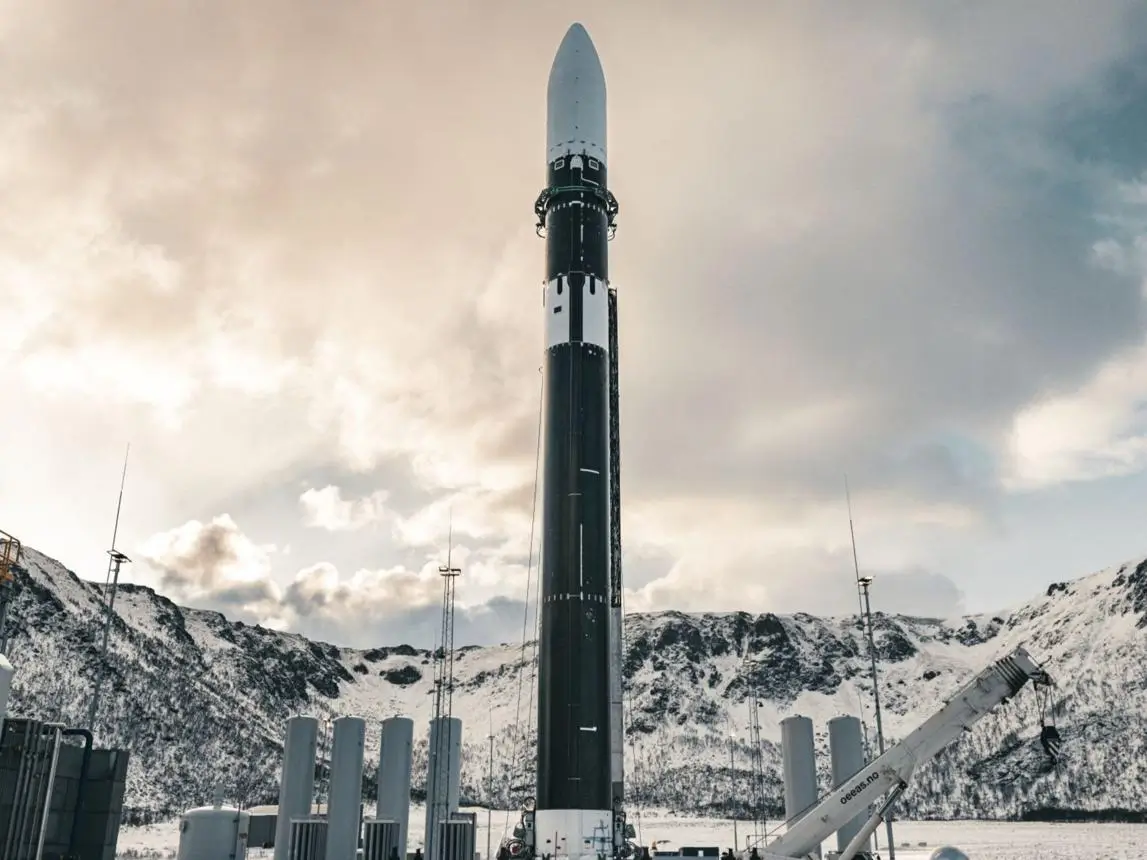
Norway’s aviation authorities have given Isar Aerospace a window to launch the Spectrum rocket. The earliest possible launch could be 26 November 2026. The launch will take place from Andøya Spaceport in Norway. It will be another big step for Germany’s commercial spaceflight ambitions.
On 28 October, Avinor, Norway’s air navigation services provider, published a notice that the launch window will remain open until 17 February 2027. Each day, launches are authorised between 20:00 and 21:30 UTC. Yet, with this approved window, Isar Aerospace has not yet confirmed a specific launch date. The company will share details once preparations are further advanced and technical readiness checks are finished.
Isar Aerospace Spectrum Rocket Launch Follows September's Successful Mission
The planned third flight follows Spectrum's second launch on 5 September 2026. This launch was a success for the vehicle after a previous setback. The company's first launch attempt in March 2025 ended less than a minute after liftoff. The rocket crashed into the Norwegian Sea near Andøya Spaceport, showing the difficulties of building new launch vehicles.
The September mission was a milestone for Isar Aerospace. It showed progress in rocket development. It also gave Isar Aerospace operational experience for future commercial launch attempts.
After this success, Isar Aerospace announced that the third, fourth, fifth, sixth, and seventh Spectrum launch vehicles are already being built. The statement added that manufacturing work continues with preparations for future missions.
Chief executive Daniel Metzler gave details at a press conference after the September flight. The third rocket had been completed to the assembly stage and would now be tested for acceptance, he said. Metzler also said the vehicle would be shipped to Norway after testing procedures. These preparations will show whether the rocket is ready for its scheduled launch opportunity.
R-Space AT-Astra Satellite Among the Third Spectrum Mission's Payloads
Isar Aerospace has not shared the list of payloads for the third Spectrum mission. R-Space, an Austrian satellite company, confirmed that it will be on board the mission, which is set for June 2026. The AT-Astra satellite from R-Space is scheduled to fly on the rocket. Also included in the payload are technology demonstrations from Portugal’s Synopsis Planet and Austrian firms ENPULSION and SunBooster.
The layout of the payload highlights the character of this mission. It brings together groups from Germany, Austria, and Portugal. This collaboration shows how new European launch providers can support satellite development across nations. Companies involved get a chance to test their technologies in space through a launch vehicle. Still, the exact final payload setup and the launch details have not been fully disclosed yet.
Also Read: Major Setback for ED as Karnataka HC Rules Against Private Complaints
What the Third Spectrum Rocket Launch Means for European Spaceflight
Isar Aerospace is working on projects while Europe is trying to get better access to space on its own and to grow its commercial launch abilities. Building launch services inside Europe remains a goal for Europe’s satellite and space industries.
If the third Spectrum launch goes well, it will give customers trust and show that Isar Aerospace is becoming more reliable. The way the rocket works, the amount of business it brings, and how dependable it is at launch will stay important for long‑term progress.
The approved window for the launch offers chances from November 2026 to February 2027. The exact date may change because of weather, technical tests, and other operational issues. Another mission might launch early, as the newest aviation notice says, according to Andrew Parsonson from European Spaceflight. Isar Aerospace will give details about the launch timing and what it will carry soon.
This next flight is a test for Germany's new commercial space program. What happens will influence Isar Aerospace's production plans, the promises it makes to customers, and its place in Europe’s expanding launch market.