The Enforcement Directorate has searched 11 locations across Mumbai and Gujarat in a money laundering investigation linked to jailed Navin Chichkar. The agency is examining suspected proceeds from the alleged sale of cocaine, hydroponic cannabis, LSD and cannabis-infused products. Investigators are also tracing suspected financial transfers through hawala networks and cryptocurrency, including USDT and Thai baht transactions. The probe follows investigations by the Narcotics Control Bureau and Navi Mumbai Police into suspected drug trafficking activities.
ISRO NVS-03 Satellite Launch: How India's Indigenous GPS Mission Could Strengthen National Security
ISRO is gearing up to launch NVS-03 on GSLV-F18, augmenting India’s NavIC navigation network with indigenous atomic clock technology and improved civilian and strategic capabilities.
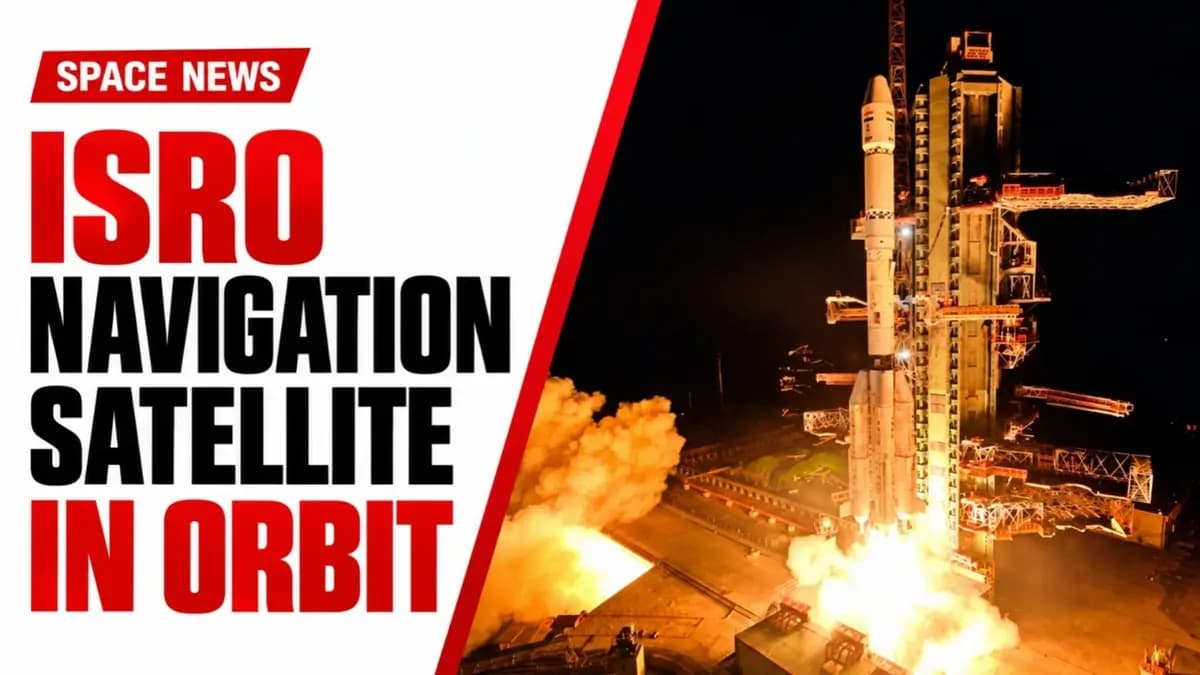
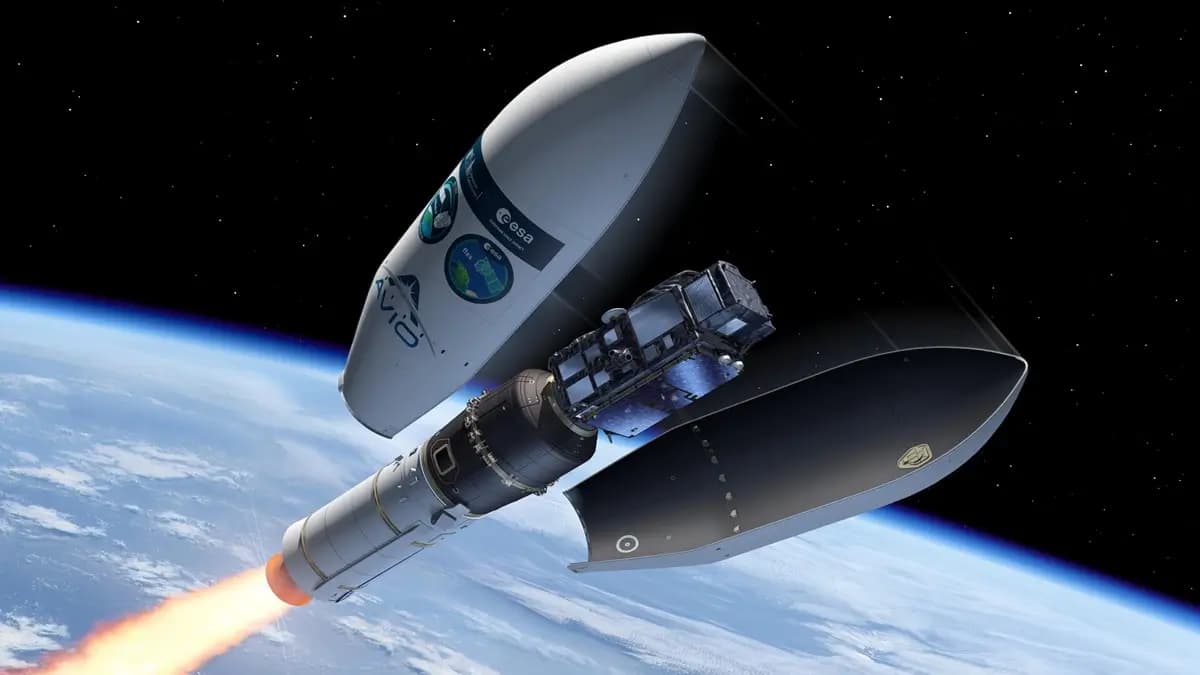
India's quest for better indigenous navigation capabilities took a significant step with the launch of the ISRO NVS-03 satellite. The rocket GSLV-F18 is slated for lift-off at 11.51 pm on October 30, 2026.
The launch is scheduled from the second launch pad at the Satish Dhawan Space Centre (SDSC-SHAR), Sriharikota, Andhra Pradesh, to place the next-generation navigation satellite into Geosynchronous Transfer Orbit (GTO).
The mission will enhance Navigation with Indian Constellation (NavIC), India's home-grown alternative to the American GPS, Russian GLONASS, European Galileo and Chinese BeiDou navigation systems.
Why ISRO's NVS-03 Satellite Launch Matters for India's Security
The NVS-03 is the 12th spacecraft of the Indian Regional Navigation Satellite System or IRNSS and the third satellite of the next-generation navigation series.
NavIC was conceptualised after the Kargil War in 1999, when India realised the strategic risks of depending on foreign navigation systems in critical military operations.
Almost three decades later, today independent satellite infrastructure is even more crucial. The launch of Operation Sindoor on 7 May 2025 further underlined the strategic importance of reliable positioning and surveillance capabilities.
Following the Pahalgam terror attack, India had launched precision strikes on nine terror infrastructure sites in Pakistan and Pakistan-occupied Kashmir in 2025 as part of Operation Sindoor.
Reliable space-based infrastructure is needed for surveillance, reconnaissance, communications, weather monitoring and other strategic operations, and India has reportedly launched more than 50 satellites into orbit for these purposes.
The operational strength of NavIC has been impacted by repeated failures of satellites and atomic clocks. The technical setbacks of the previous eleven satellites already launched reduced the constellation's overall capabilities.
To maintain continuous coverage over the entire country, India ideally requires a minimum of seven operational navigation satellites. Therefore, it is essential to have additional satellites to provide redundancy and reliability.
Indigenous Atomic Clock Could Improve NavIC Reliability
One of the most important technological features of NVS-03 is its indigenous atomic clock along with procured atomic clocks, which addresses earlier reliability challenges.
Atomic clocks are essential for the precise timekeeping required by satellite navigation. Small deviations in timing can lead to large errors in determining positions on the surface of the Earth.
Earlier NavIC satellites suffered glitches due to imported rubidium atomic clocks, prompting Indian scientists to develop indigenous alternatives and boost technological self-reliance.
The new satellite also adds the L1 navigation signal to the L5 and S-band signals already available, which may improve compatibility with commercially available navigation receivers.
This could lead to NavIC being used more widely in smartphones, smartwatches, vehicle navigation devices and other civilian applications.
NavIC provides Position, Navigation and Timing (PNT) services over the entire country of India and about 1,500 km beyond its geographical limits, covering significant parts of the Indian Ocean region.
It provides a Standard Positioning Service for civilian users and a restricted service for authorised strategic and defence users and supports aviation, shipping, fisheries and disaster management.
Also Read: Indian-Origin Accountant Arun Mago Jailed for 41 Months in US COVID Relief Fraud
GSLV-F18: ISRO's 20th Flight and Mission Objectives
GSLV-F18 marks the 20th flight of India’s Geosynchronous Satellite Launch Vehicle program, which has advanced considerably since its early technical setbacks with cryogenic propulsion.
The three-stage rocket, which uses a mix of solid, liquid, and cryogenic propulsion technologies, is about 50 meters tall and weighs approximately 420 tons at liftoff.
The NVS-03 spacecraft, weighing 2,250 kilograms, is expected to reach its designated transfer orbit about 20 minutes into the flight, after which onboard propulsion will place it in its operational orbit.
The GSLV program has been crucial in carrying out major communication, weather, and navigation missions. Its wider rocket family also includes launch vehicles supporting international collaborations like the NASA-ISRO Synthetic Aperture Radar (NISAR) mission.
The NISAR collaboration between India and the United States is valued at around $1.3 billion, representing a major Earth-observation partnership.
NVS-04 and NVS-05 Among Upcoming NavIC Missions
This is ISRO’s third launch in 2026 after one successful and one unsuccessful launch earlier this year.
The agency is also expected to keep on improving NavIC with NVS-04 and NVS-05, which will be launched later to improve coverage and satellite redundancy.
Sprouts News looks at the bigger picture of India's space program, and NVS-03 is not just another satellite launch; it meets a critical strategic infrastructure need.
A successful mission would boost India’s independent navigation network, aiding critical infrastructure, telecommunications, banking, military operations, and emergency response systems.
Ultimately, restoring NavIC's reliability will require continued launches, technological improvements, and sufficient backup satellites to maintain uninterrupted services as existing spacecraft age or experience failures.