ISRO Chairman V. Narayanan has confirmed that the Kulasekarapattinam Spaceport in Tamil Nadu is progressing towards its first rocket launch in 2027. Speaking in Chennai on November 5, he said the state government had handed over nearly 2,300 acres for the project. The facility, India's second spaceport, is being developed primarily for Small Satellite Launch Vehicle (SSLV) missions. Prime Minister Narendra Modi laid its foundation stone in February 2024, with construction continuing
Kulasekarapattinam Spaceport Set for First Rocket Launch in 2027, Says ISRO Chief
India is constructing a second spaceport in Tamil Nadu that is slated to conduct its initial rocket launch in 2027, as the nation gets ready to accelerate the pace of its small-satellite launches.
ISRO Chairman V Narayanan said on Thursday that the construction of the Kulasekarapattinam spaceport in Tamil Nadu is progressing well and the first rocket launch from the facility is likely in 2027.
The upcoming launch will be a major boost to India’s space infrastructure. The new facility is mainly aimed at supporting the Small Satellite Launch Vehicle (SSLV) program.
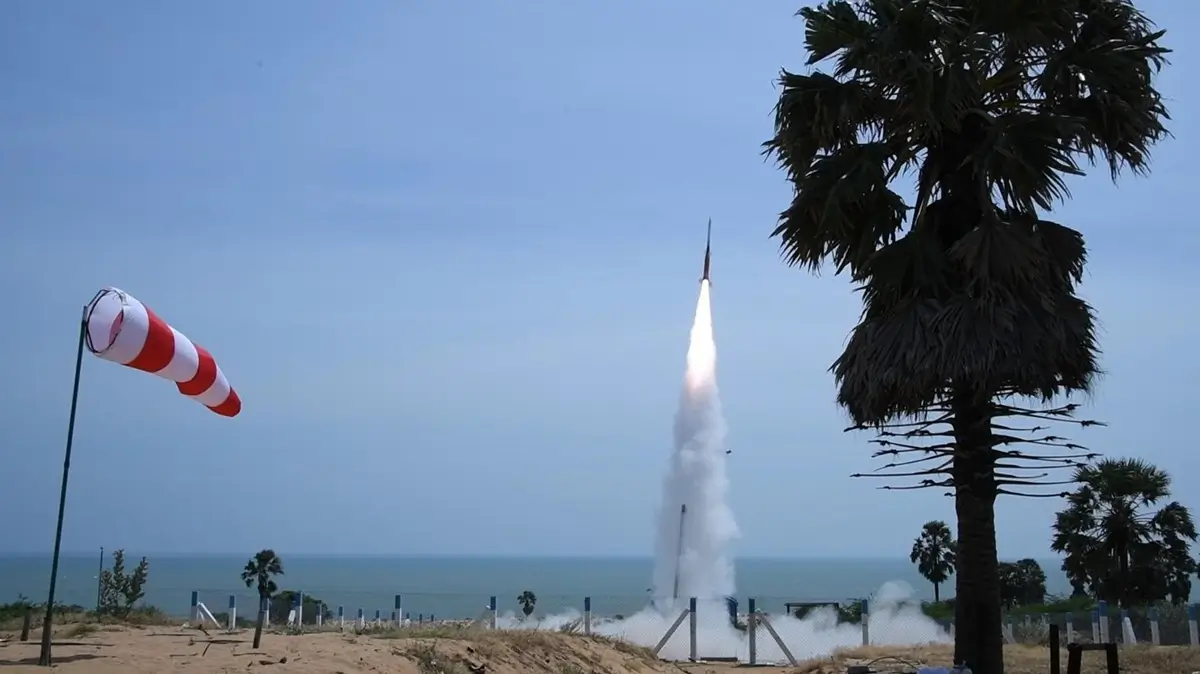
Kulasekarapattinam Spaceport Development Progresses
Chennai: Speaking to reporters in Chennai after unveiling a statue of Soviet cosmonaut Yuri Gagarin at the Periyar Science and Technology Centre, Union Minister of State for Science and Technology and Earth Sciences V Narayanan spoke about the progress of the project.
The Tamil Nadu government had acquired about 2,300 acres of land and handed it over to the Indian Space Research Organisation (ISRO) for developing the facility, he said.
Prime Minister Narendra Modi on Feb. 28, 2024, laid the foundation stone of the Kulasekarapattinam spaceport, the first step for the massive infrastructure project.
The facility is being constructed as the country’s second spaceport, in addition to the existing Satish Dhawan Space Centre at Sriharikota in Andhra Pradesh.
Its main purpose is to enable SSLV launches, thus enhancing India’s capability to address the growing need for small satellite deployment with dedicated launch infrastructure.
The project is expected to enhance the nation’s launch capabilities and assist the booming commercial small-satellite industry.
Also Read: 587 Investors Put ₹157 Crore Into APS Wealth Scheme; ₹89 Crore Allegedly Unpaid
ISRO Chairman V Narayanan Unveils Yuri Gagarin Statue
At the Chennai event, Narayanan, along with Russian Consul General Valery Khodzhaev and Periyar Science and Technology Centre Director Shanmugasundaram, unveiled the statue of Yuri Gagarin.
On April 12, 1961, Gagarin made history as the first human to travel into space, an event that represented a defining moment in international space exploration.
Thanking Russia for the continued support to India’s space program, Narayanan appreciated Russia’s contribution to India’s development in the area of space technology.
The event also showcased the longstanding cooperation between India and Russia in the fields of scientific research and space exploration.
ISRO Clarifies Role in Weather Forecasting
Narayanan responded to queries on the recent heavy rains and weather forecast, making it clear what is the responsibility of India’s space agency and what is that of the weather authorities.
He said the India Meteorological Department (IMD) was responsible for weather predictions and ISRO provided satellite data to assist the agency in making more accurate forecasts.
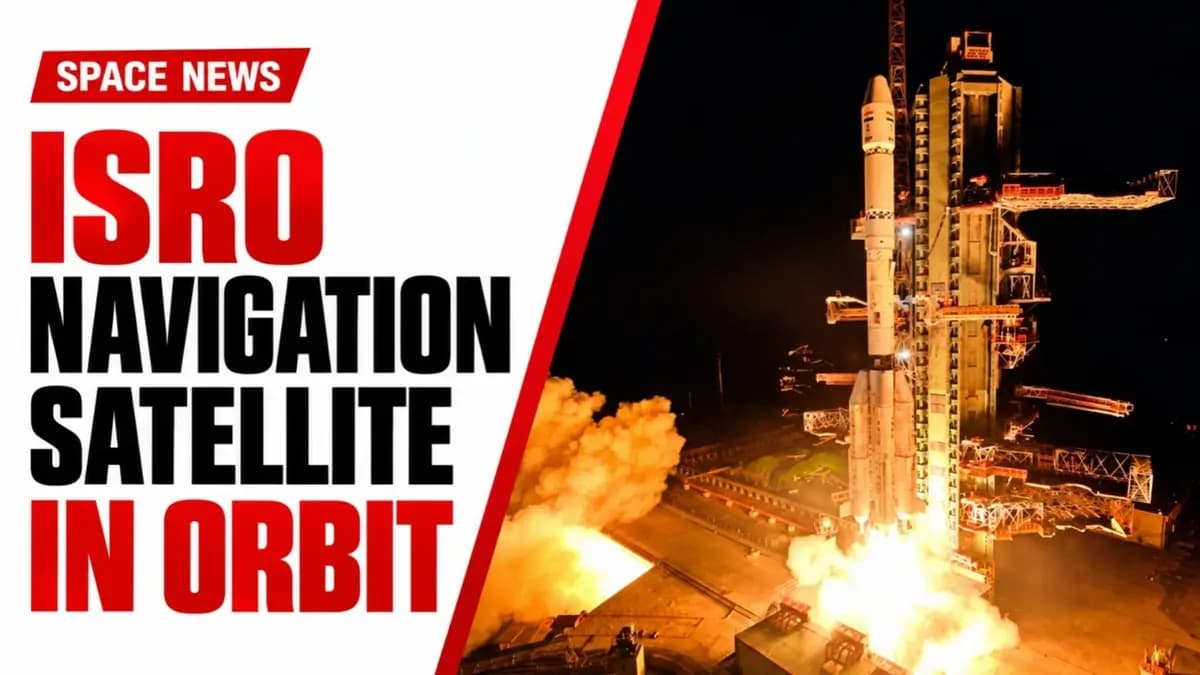
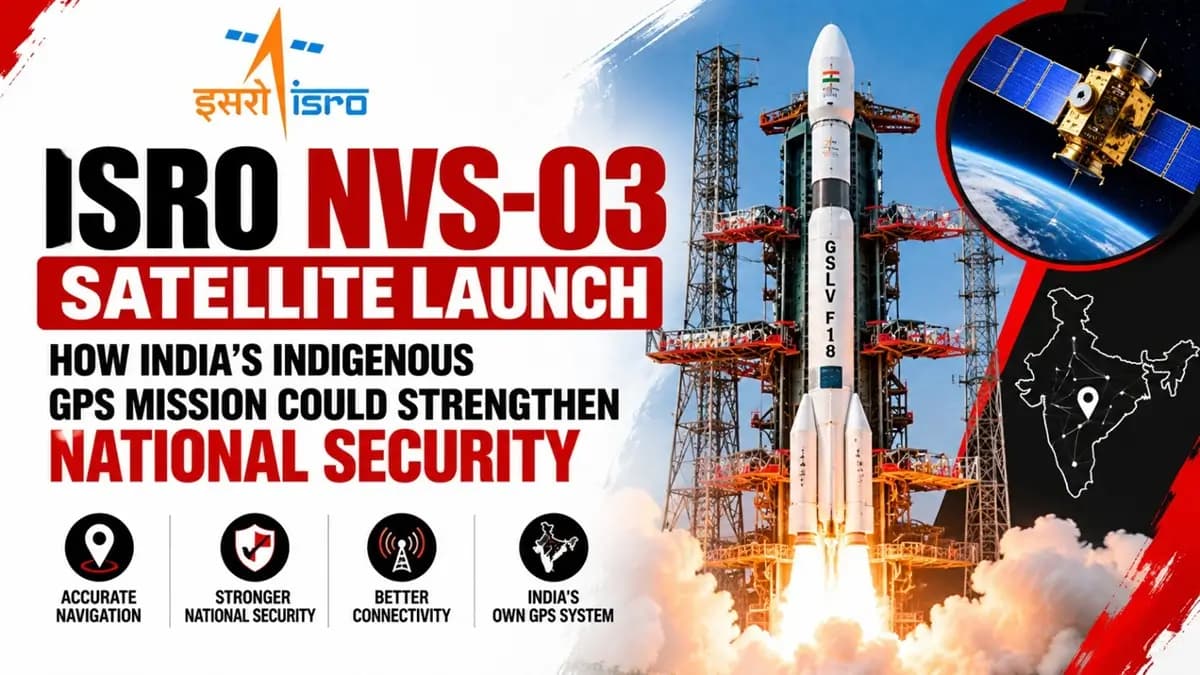
The recently launched navigation satellite NVS-03 has also successfully reached geosynchronous orbit, Narayanan confirmed.
It was launched on 31 October 2026 aboard a GSLV rocket from the Satish Dhawan Space Centre.
India's independent regional navigation system NavIC has been brought back to its minimum operational configuration of four satellites with the successful deployment, the ISRO chairman said.
The developments highlight India’s parallel efforts to enhance navigation infrastructure and boost its launch capabilities.
The first rocket launch from Kulasekarapattinam in 2027 will be a key milestone for India’s growing space program. Infrastructure readiness and construction progress will continue to be critical.
According to Sprouts News, the new facility will help India’s dedicated small-satellite launch infrastructure and ambitions in the global commercial space sector.