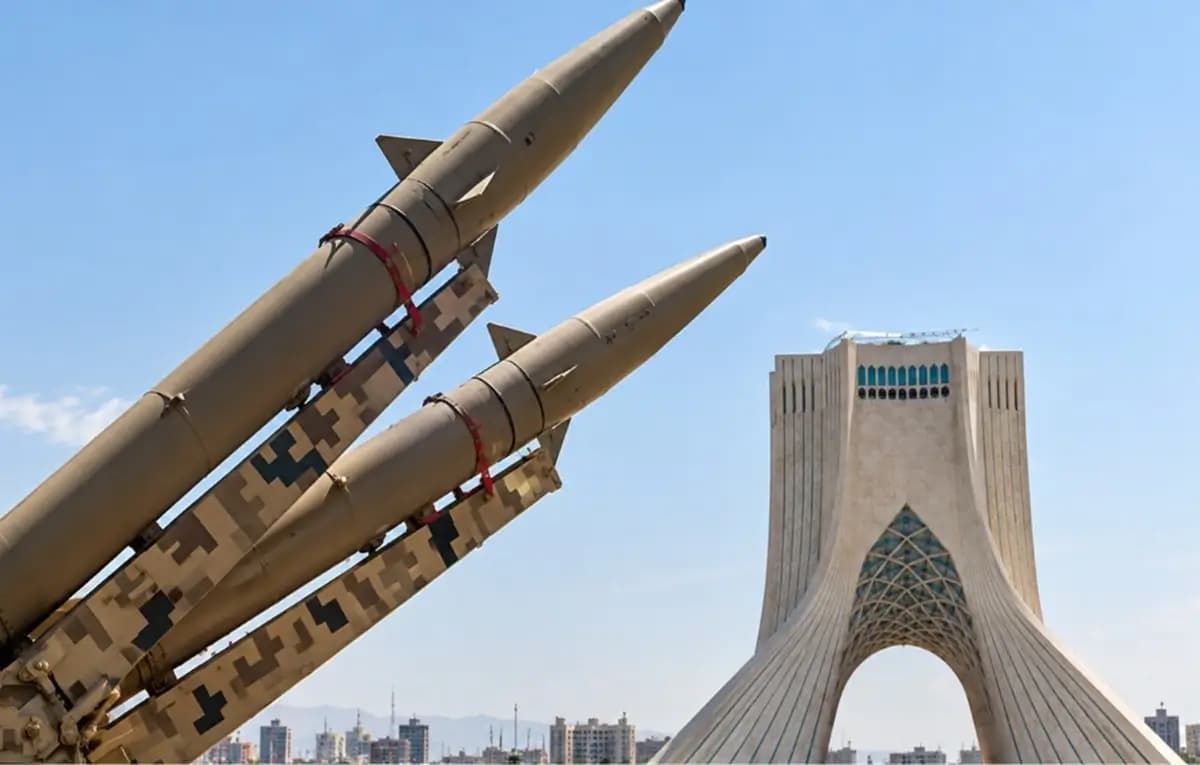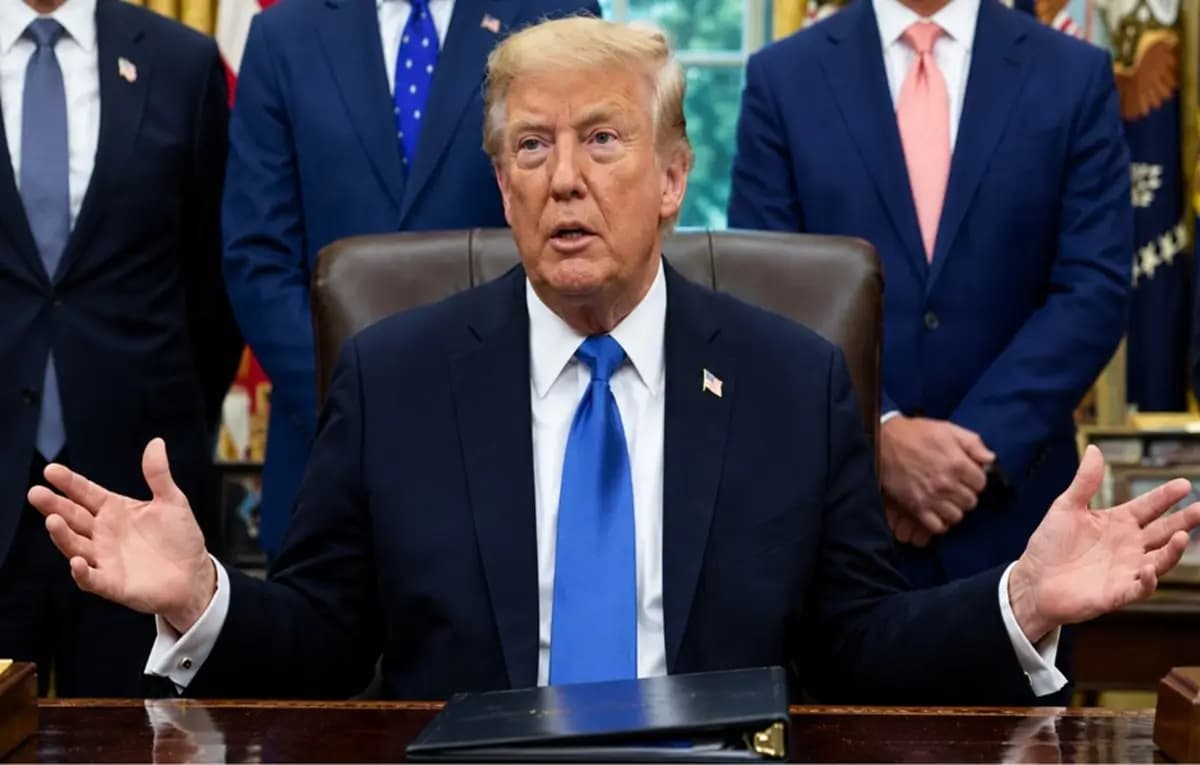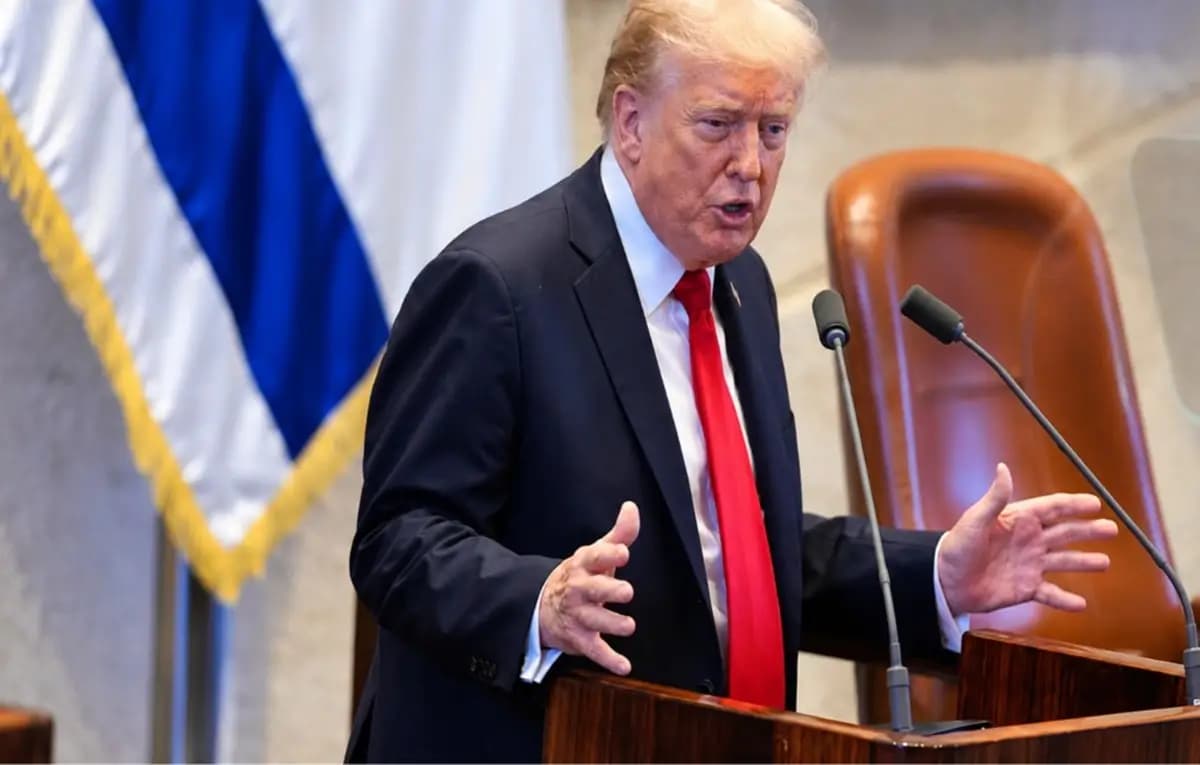
US President Donald Trump defended American military action against Iran in his September 22 address to the 81st UN General Assembly, saying the US had targeted Iran’s nuclear programme and weakened its military capabilities. The White House said Trump reiterated that he would not allow Iran to obtain a nuclear weapon. Trump also called for economic pressure on Tehran while presenting negotiations as an alternative to further military action. His address covered Iran, Ukraine, Venezuela, Mexico, Cuba, Greenland, artificial intelligence and international institutions.
Trump Defends Iran Military Action at UN, Urges Economic Pressure on Tehran
US President Donald Trump defended military action against Iran at the 81st United Nations General Assembly but called for economic isolation, leaving the door open for further military escalation.
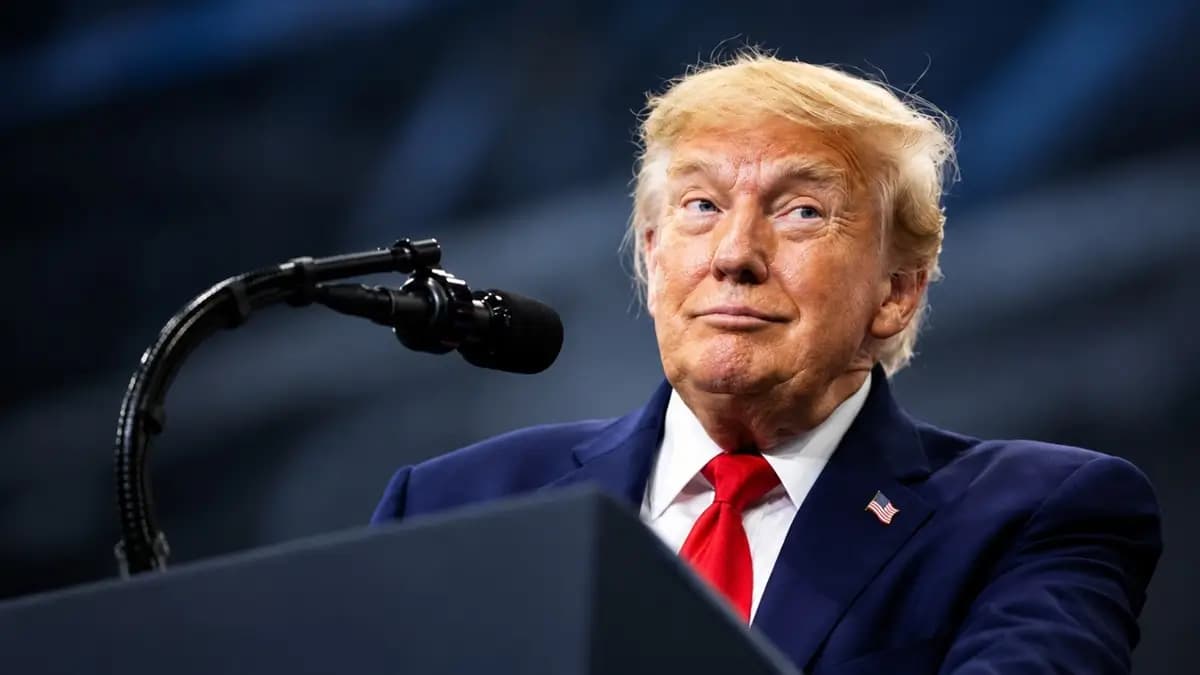
US President Donald Trump justified the military action against Iran and urged the continuation of economic pressure on Tehran in his speech at the 81st session of the UN General Assembly on September 22.
The United States "targeted" Iran's nuclear program and "weakened" its military capabilities, Trump said, adding that Washington would not let Tehran get nuclear weapons.
He called for Iran to be cut off economically until, in his words, Tehran ceases attacking commercial shipping and ceases supporting groups he describes as terrorist organisations.
Trump also offered negotiations as an alternative to continued military action, saying Iran has a choice between reaching an agreement or facing more American strikes.
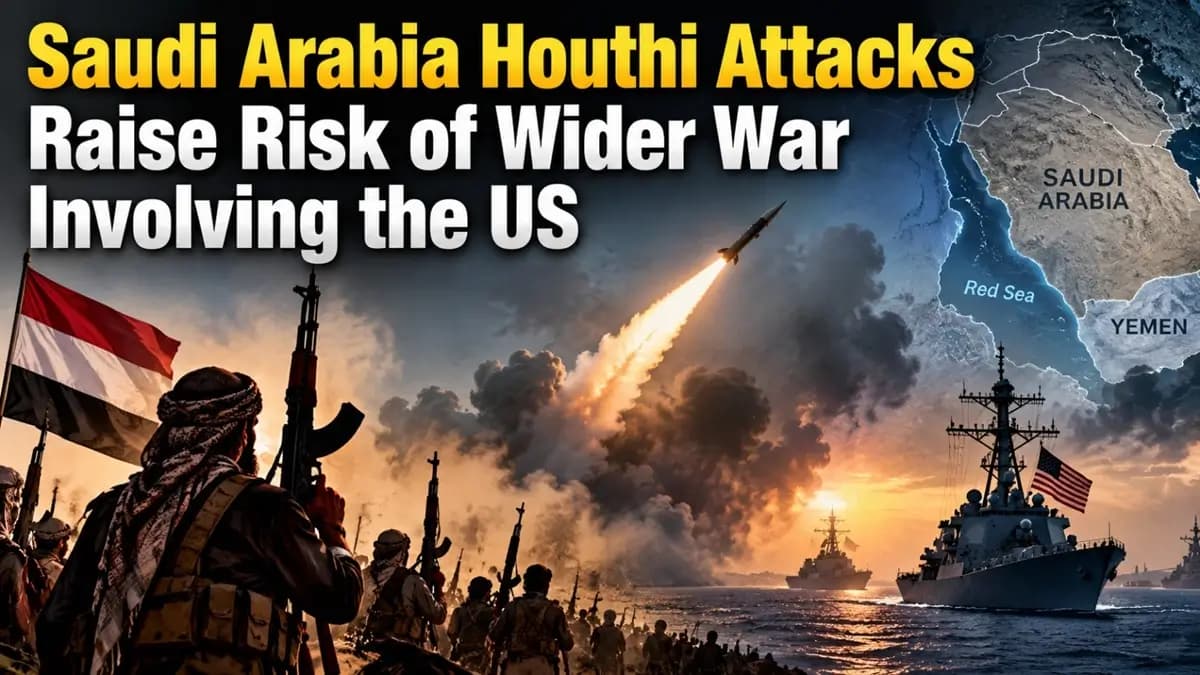
His remarks come as the dispute continues to impact regional security and global trade, including shipping lanes, as well as occasional diplomatic contacts between Washington and Tehran.
Trump’s Iran message was part of a wide-ranging foreign policy speech that included Russia’s war in Ukraine, Venezuela, Mexico, Cuba, Greenland, artificial intelligence and international institutions.
Ukraine, Venezuela and Mexico Feature in Address
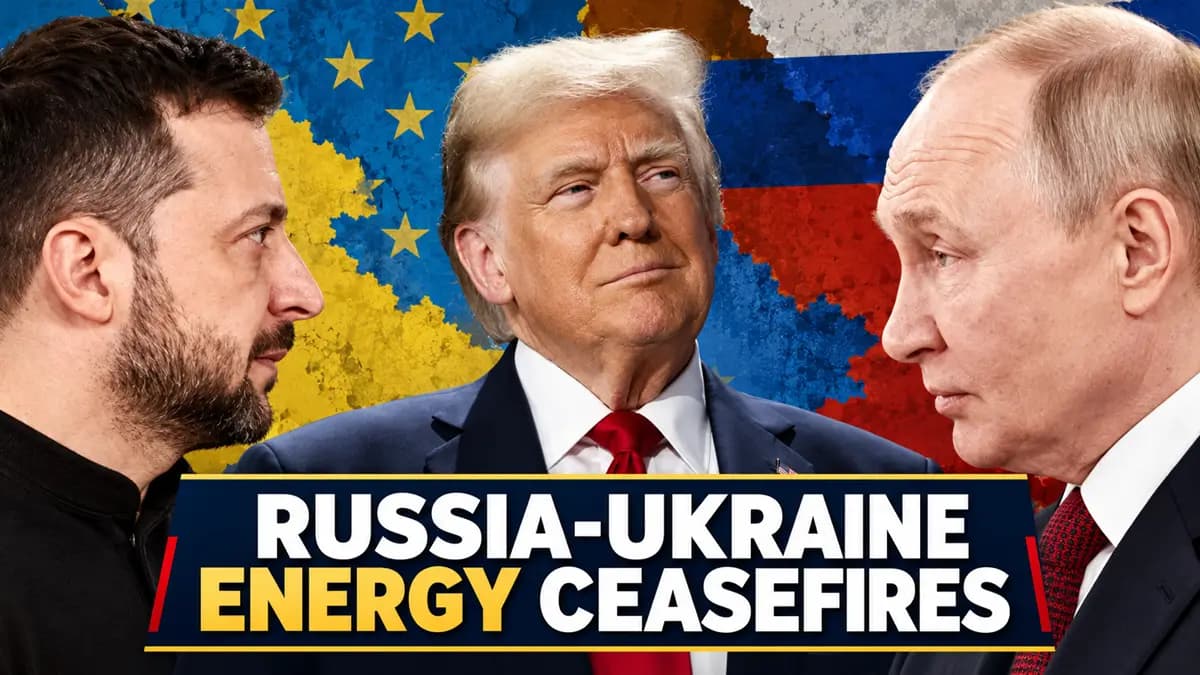
“We are still working on Ukraine,” Trump said. “The goal of the U.S. administration is to reach an agreement through negotiations to end the Russia-Ukraine conflict.
He also mentioned developments in Venezuela, where a US military operation led to the arrest of President Nicolás Maduro, according to Trump’s version of events.
Trump said Washington was working with Venezuelan leaders toward what he called a better future for Venezuelans and announced a major oil agreement between the two countries.
Trump focused on transnational crime in Mexico, saying he had designated drug cartels as foreign terrorist organisations and called on Mexican authorities to take back territory from criminal groups.
He also spoke of ongoing talks with Cuba, saying his administration was pursuing a fundamental change while keeping a broader focus on security in the Western Hemisphere.
Greenland Agreement Expands US Arctic Security Role
Trump also praised a new security pact between the United States, Denmark and Greenland, calling Greenland a strategic asset and saying the arrangement would strengthen NATO’s presence in the Arctic and North Atlantic.
The agreement, signed on September 22, expands US military access and presence in Greenland, but keeps the territory under Danish control after months of political tensions.
The deal allows for increased US military activity, including upgrades and more defence areas, but is still tied to Greenland's future relationship with Denmark and NATO.
Trump has previously sought greater US control of Greenland, but the new accord establishes a security framework while leaving Danish control over the self-governing territory intact.
Also Read: Delhi HC Grants Amitabh Jhunjhunwala Bail Under PMLA Medical Exception
Trump Challenges International Approach to AI
Trump talked a lot about artificial intelligence, saying the United States should promote development of what he called “superintelligence” and resist international attempts to limit technological progress.
He said too much regulation could stifle innovation, but US authorities could act domestically if needed, describing artificial intelligence as a major strategic and economic priority.
That stance put him at odds with UN Secretary-General António Guterres, who in a separate address to the General Assembly called for stronger international governance and independent oversight of artificial intelligence.
International Institutions Face Renewed Criticism
Trump also attacked the International Criminal Court, UNESCO, the UN Human Rights Council and the International Maritime Organisation, questioning their relevance and opposing initiatives he linked to global governance.
He called for countries to withdraw from the International Criminal Court, which he said has no jurisdiction over the United States, and objected to any investigations involving American military personnel.
His attack on international institutions was part of a wider argument that multilateral institutions should cut red tape and avoid policies that Washington views as infringing on national sovereignty.
The address leaves diplomacy focused on whether negotiations with Iran can move forward, with questions remaining over the duration of the conflict, regional security, economic pressure and international cooperation.
Sprouts News will be monitoring developments on Iran, US foreign policy, Ukraine, Venezuela, Greenland, artificial intelligence and the UN as governments react to Trump’s proposals.