A new security pact involving the United States, Denmark and Greenland is set to expand the role of the US military in the Arctic, while Danish and Greenlandic officials say the agreement does not alter sovereignty. The deal follows months of tension over Donald Trump’s calls for greater US control of Greenland. Its full provisions, including the scale of any additional military presence and possible restrictions on foreign activity, remain unclear. The pact builds on decades of existing US military access under earlier defence agreements.
Trump’s Greenland Deal Raises Questions Over US Military Access and Sovereignty
The United States, Denmark and Greenland have signed a security pact expanding the role of the US military. However, Denmark and Greenland say there has been no change to sovereignty.
The Trump Greenland deal has marked a new chapter in relations between Washington, Copenhagen and Nuuk, with the agreement focusing on security and military access in the Arctic.
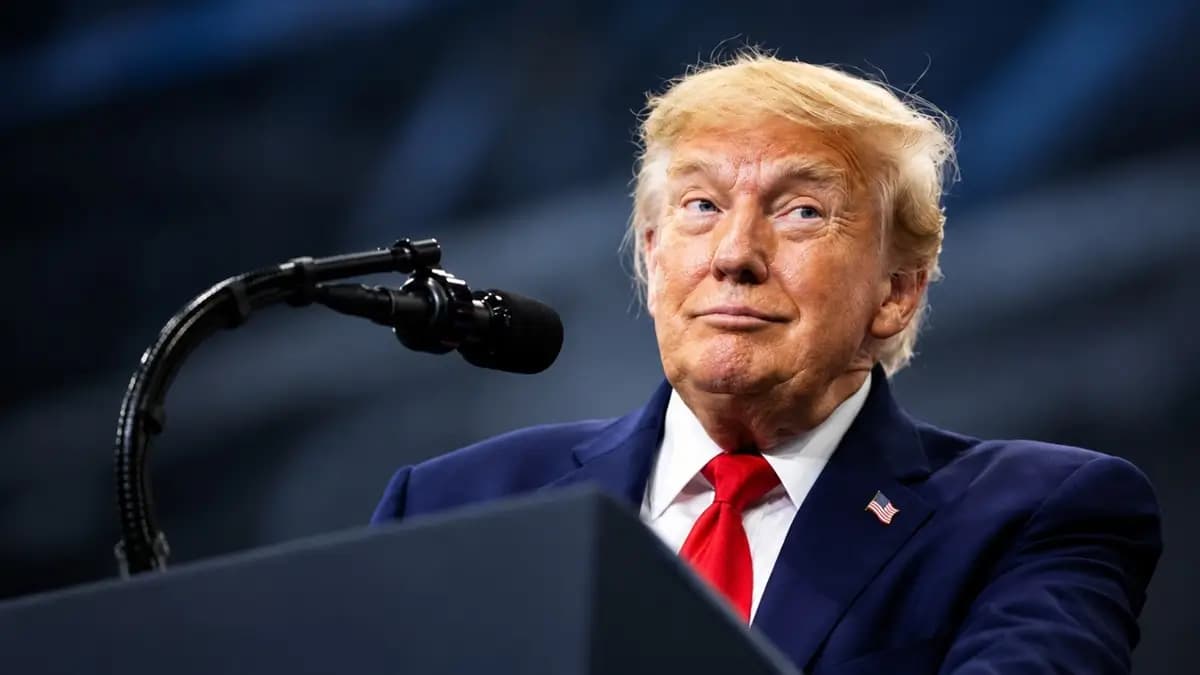
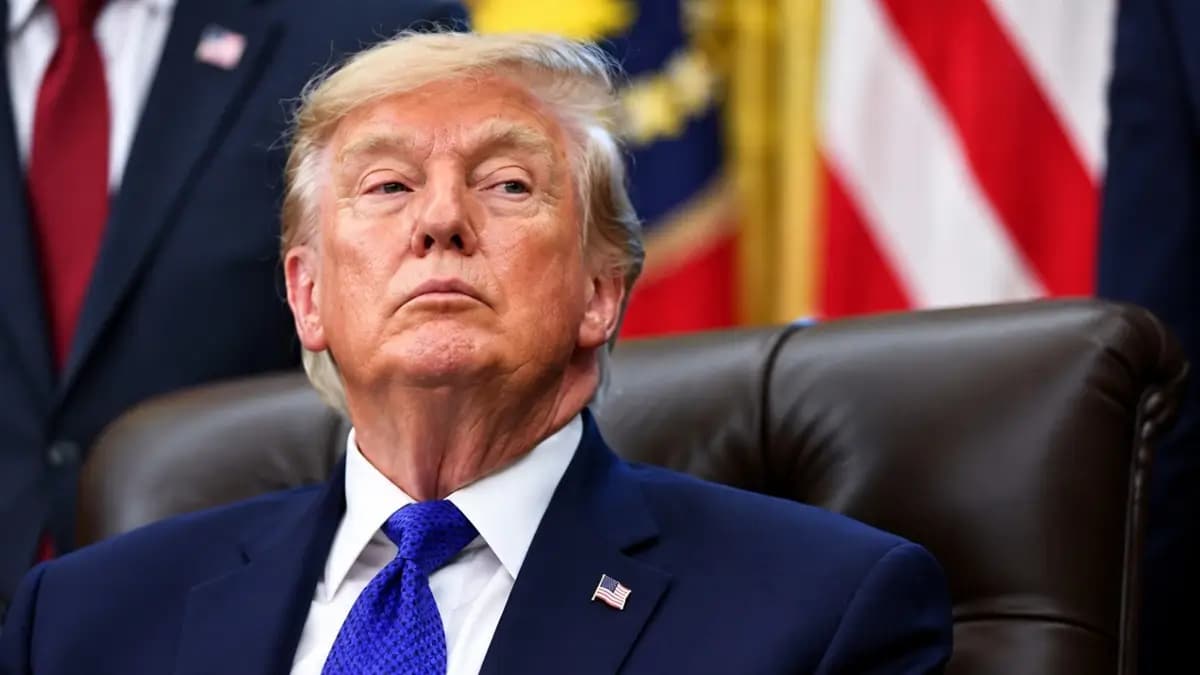
The announcement came after months of tension over President Donald Trump’s repeated calls for the United States to take control of Greenland, an autonomous territory within the kingdom of Denmark.
The full terms are unknown, including the size of any increase in the U.S. military presence and whether Washington would gain any formal say over foreign policy or the resources of Greenland.
Greenland Security Deal Takes Shape
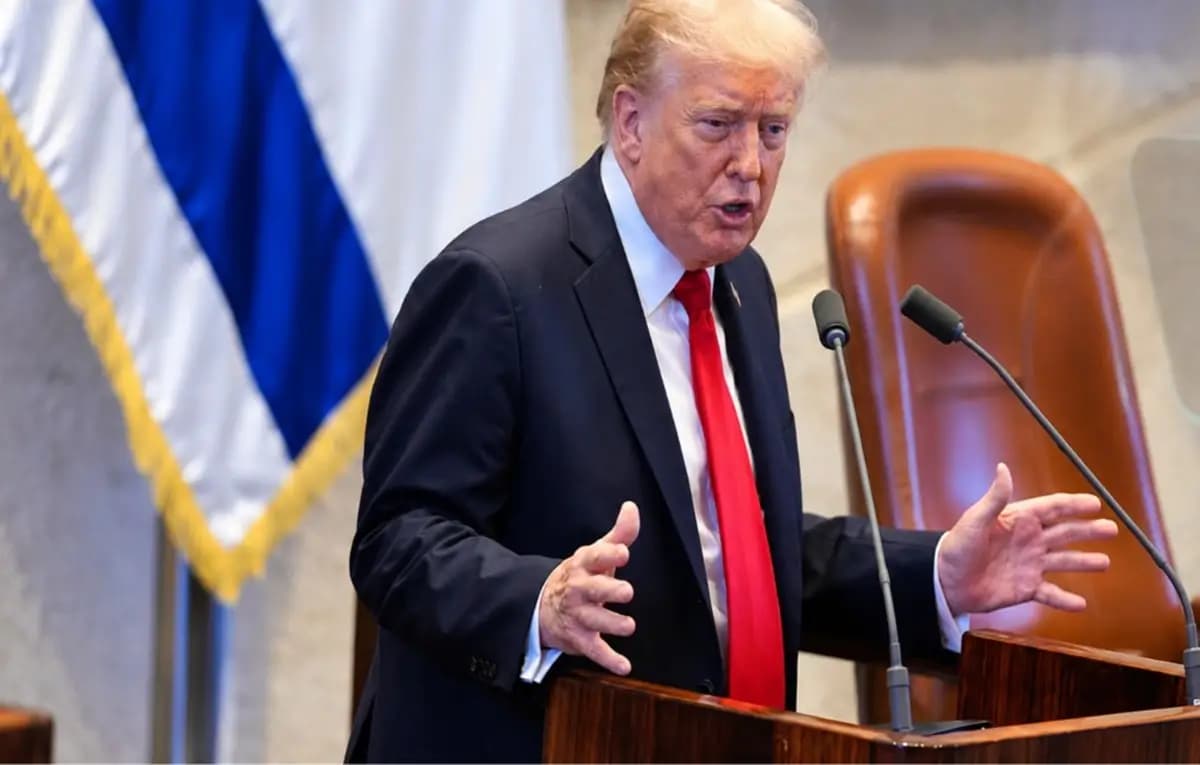
Trump said the deal would provide the United States with permanent control over Greenland’s security and other defence-related needs, while restricting adversaries’ activities there.
He also said the deal would prevent US enemies from building military bases, maintaining military forces or making sensitive investments in Greenland without US approval.
Danish and Greenlandic officials have described the agreement in different ways, stressing that Greenland’s sovereignty and self-determination will stay intact under the new security framework.
“This agreement can replace long-standing uncertainty with a binding framework that boosts security across the Arctic and North Atlantic,” Danish Foreign Minister Lars Lokke Rasmussen said.
Likewise, Greenland’s Prime Minister Jens-Frederik Nielsen has stressed that the deal respects Greenland’s self-determination and the territorial integrity of the Danish kingdom.
The final provisions and arrangements for implementation need to be clarified, but the agreement is expected to be signed at the United Nations General Assembly in New York.
Existing US Military Rights in Greenland
The emerging pact follows a defence relationship that dates to 1951, when the United States gained wide military rights in Greenland in a defence arrangement with Denmark.
That agreement was updated in 2004 to include Greenland’s Home Rule Government as a party, and it already gave Washington important access for military purposes.
The source material states that during the Cold War, the United States had 17 military installations and more than 10,000 personnel in Greenland.
Today, the American military presence is concentrated at Pituffik Space Base, with about 150 US personnel stationed there, indicating a much smaller footprint.
The historical setup thus provides important context for claims that the latest agreement constitutes a fundamental expansion of American military authority across Greenland.
Also Read: Trump to Welcome Xi Jinping at Airport as US Visit Begins in Sept. 23
China, Russia and Strategic Investment
Trump’s announcement also suggested limits on rival powers, particularly Russia and China, pursuing military or strategically sensitive positions in Greenland.
But Denmark has intervened before on security grounds in the case of Chinese commercial interests, suggesting some restrictions were in place operationally before the latest deal.
And in 2016, a Chinese company was interested in buying a decommissioned naval station at Kangilinnguit, in southern Greenland, only for the plan to be quashed.
Two years later, a Chinese construction company wanted to be involved in a major airport project in Greenland – another case of Danish authorities acting amid worries involving American security interests.
These earlier interventions indicate that preventing strategic footholds by rival powers has been part of Denmark’s approach to Greenland’s security.
What the New Agreement Could Change
Trump’s announcement also meant constraints on rival powers, particularly Russia and China, trying to acquire military or strategically sensitive roles in Greenland.
But Denmark has intervened before on security grounds in the case of Chinese commercial interests, indicating that some restrictions were already in place operationally before the latest deal.
In 2016, a Chinese company’s plan to buy a decommissioned naval base at Kangilinnguit in southern Greenland was blocked.
Two years later, a Chinese construction company wanted to bid for a major airport project in Greenland, another example of Danish authorities acting amid fears of American security interests.
These earlier interventions suggest that Denmark’s approach to Greenland’s security has been to prevent rival powers from establishing strategic footholds.
The agreement’s practical significance will become clearer once its complete provisions are published and the United States, Denmark and Greenland finalise their respective approval processes.