Saudi Arabia faces mounting pressure to respond after reported Houthi strikes near Riyadh heightened tensions across the region. The attacks, which the Houthis reportedly linked to Saudi military operations in Yemen, have raised concerns about further escalation and possible US involvement. Saudi-backed Yemeni government forces are also engaged in a counteroffensive against the Houthis near the strategically important Bab el-Mandeb maritime corridor. The developments threaten to complicate regional security efforts and increase uncertainty for international shipping, while Riyadh weighs its military and diplomatic options.
Saudi Arabia Houthi Attacks Raise Risk of Wider War Involving the US
Deadly strikes on Riyadh have heightened pressure on Saudi Arabia to retaliate against Yemen’s Houthis, raising fears over regional security, international shipping and foreign investment.
Houthi attacks have increased tensions across the Middle East after deadly strikes near Riyadh’s main airport killed 12 people on Saturday and one person on Sunday, adding to pressure for a military response. The attacks also raise the spectre of possible US involvement.
The Houthi rebels claimed responsibility for the strikes, saying they were in response to Saudi aggression, including an attack on Yemen's capital, Sanaa. A total of 309 people were injured Saturday and 11 on Sunday, the source reported.
Crown Prince Mohammed bin Salman, Saudi Arabia’s de facto ruler, faces tough choices as the kingdom weighs how to respond to an adversary that has increasingly shown the ability to strike at a distance. The developments could drag the United States and regional partners further into the conflict.
Saudi Arabia Houthi Attacks Intensify Yemen Conflict
Saudi fighter jets are backing a counteroffensive by Yemeni government forces after the Houthis seized territory near Bab el-Mandeb, a strategic maritime chokepoint linking the Red Sea to the Gulf of Aden.
This latest flare-up comes after the Houthis seized the Red Sea port of Mokha and surrounding territory last month. Saudi-backed forces then began operations, and the Saudi-led coalition said it had recaptured Mokha and destroyed many Houthi military targets.
On Saturday, the coalition called the strike “a full-fledged war crime.” Meanwhile, the Houthis have acquired more advanced weapons and greater operational independence, while remaining connected to Iran’s regional network of allied armed groups.
Saudi Arabia intervened in Yemen in 2015 to bring back its internationally recognised government. Years of air strikes failed to dislodge the Houthis, but a UN-brokered truce in 2022 vastly reduced fighting and allowed Riyadh to seek a gradual withdrawal.
The attacks seemed aimed at pressuring Saudi Arabia to stop its air campaign, said Ahmed Nagi, a senior analyst with the International Crisis Group. He also warned that Riyadh could respond with more military pressure.
US Military Intervention Becomes a Growing Concern
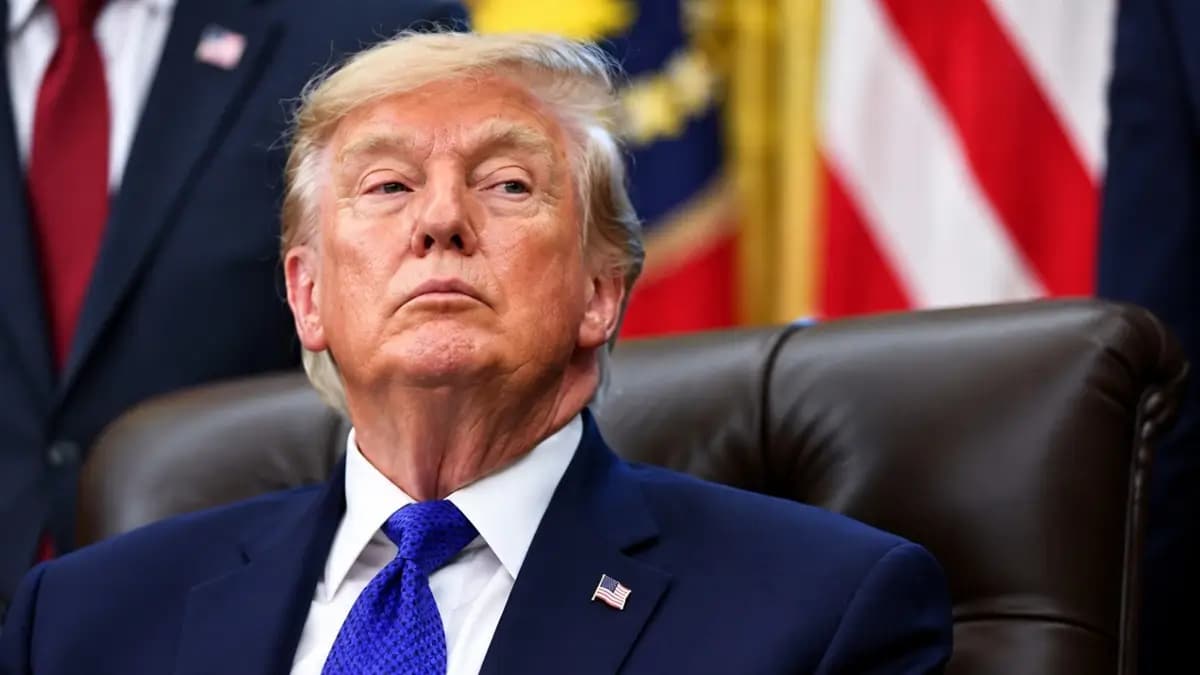
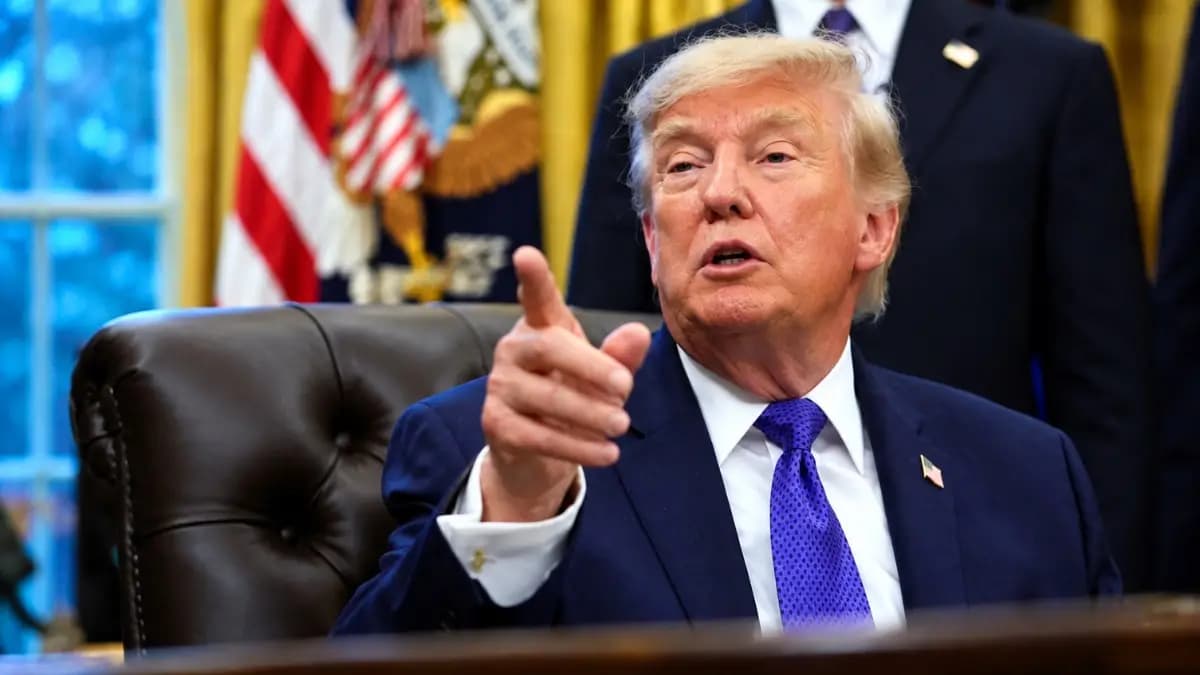
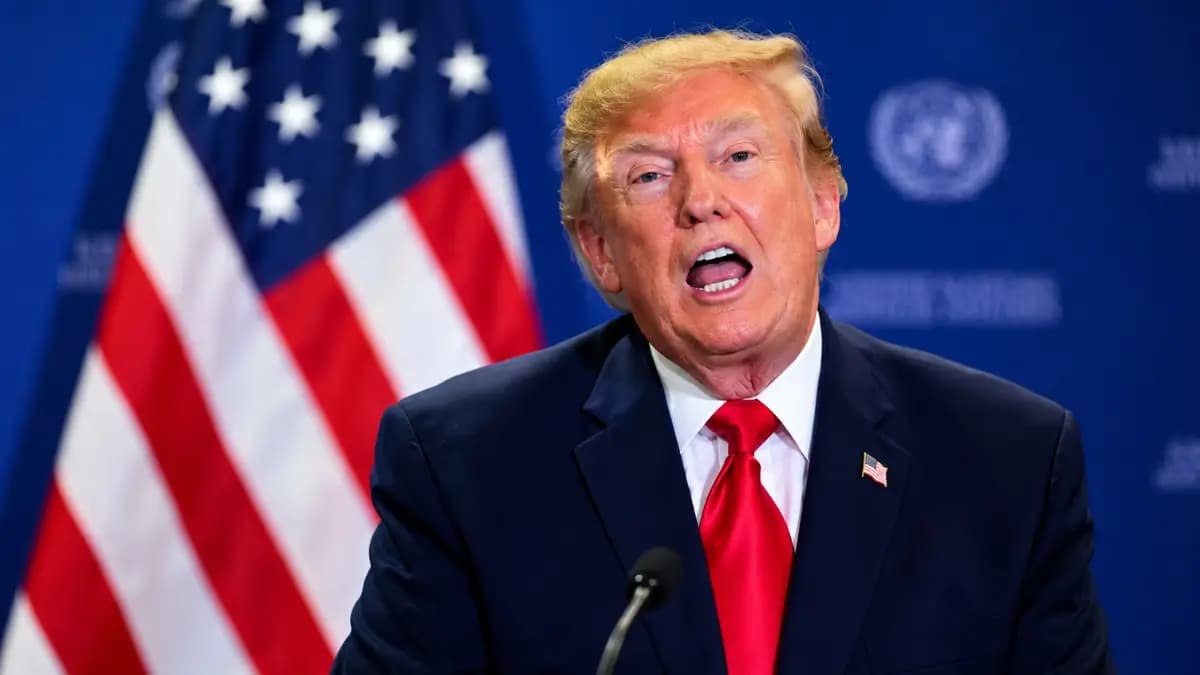
Among the dead was an American citizen, adding to calls on US President Donald Trump to consider intervention. When asked on Saturday if Washington would join strikes against the Houthis, Trump said the administration would look at it.
Riyadh would want direct American strikes, improved air defences, greater intelligence sharing and political backing for a more aggressive campaign, said William Usher, a former senior Middle East analyst with the Central Intelligence Agency.
So far, Washington has limited its support for the Saudi offensive to sharing intelligence. The United States carried out major strikes on the Houthis last year before agreeing to a truce. Trump has tried to avoid further escalation with Iran ahead of the November midterm elections.
“It’s going to be difficult without ground forces or much more robust Yemeni forces to prevent further attacks,” cautioned Stacie Pettyjohn, a senior fellow at the Centre for a New American Security who previously worked in Pentagon strategy.
She said air patrols would need to continue to locate the missile launchers, with the Houthis apparently using the last ceasefire period to replenish their weapons.
Saudi Defence Partnerships Face Their First Major Test
Saudi Arabia has purchased billions of dollars worth of military hardware, including US-made F-15 fighter jets and Patriot missile defence systems. But cheap attack drones and Iranian-designed ballistic missiles keep hitting civilian infrastructure.
The kingdom also has been stymied by a lack of help from Western partners. Britain has sent an air-refuelling aircraft, and France said it would send defensive military equipment to Yanbu, a Saudi port on the Red Sea.
Turkey and Pakistan also have decisions to make, after signing a defence pact with Saudi Arabia in August in what is known as the Mecca Defence Alliance. Both have said they are willing to send troops or weapons, although Turkey has ruled out offensive operations against the Houthis.
Saudi Foreign Minister Prince Faisal bin Farhan discussed the escalation in a telephone call with Iranian Foreign Minister Abbas Araghchi, the state-run Saudi Press Agency said.
Also Read: Gupta Power Infrastructure Probe: ED Freezes Accounts, Seizes Luxury Cars
Airport Disruption Threatens Saudi Investment Ambitions
The attacks have disrupted aviation and business activity in Riyadh, with the international airport suspending operations and hundreds of flights reportedly affected. Schools and financial-sector offices have also moved to remote employment.
Top executives from oil giants BP and Shell are among those withdrawing from the World Petroleum Congress set to start on Sunday. The shake-up comes as Saudi Arabia is to host investment events, including its Future Investment Initiative, dubbed Davos in the Desert.
The event draws high-profile finance executives, including Goldman Sachs chief executive David Solomon and BlackRock chief executive Larry Fink. More instability could hamper the kingdom’s ability to attract international capital for Crown Prince Mohammed bin Salman’s Vision 2030 program.
The government has recently raised its forecast of the budget deficit and warned that the economy could shrink by 3.6 per cent this year. El-Saadi, chief executive of Access KSA, said investors were likely to watch events rather than pull out straight away.
Travel Warnings Signal Wider Regional Risks
The UK advised against non-essential travel to Jeddah and Dammam and to Saudi airports other than Medina and advised British nationals to consider leaving overland. The US Federal Aviation Administration warned American airlines to exercise caution over parts of Saudi Arabia at all altitudes.
Australia also upgraded its advice for Riyadh’s main airport to ‘Do not Travel’ and urged citizens to reconsider travel to Saudi Arabia.
The Houthis had taken big risks in the past, said Nadwa Al-Dawsari, an associate fellow at the Middle East Institute, and they were unlikely to retreat unless faced with a credible threat.
The first problem Saudi Arabia faces is how to protect civilians and vital infrastructure without precipitating a broader confrontation. The size of any retaliation, and how Washington and regional partners react, will set the tone for the next phase of the conflict, as Sprouts News tracks the situation.